US Air Force Tests New Autonomous Mission Systems on Experimental XQ-67A
Why It MattersKeeping the XQ-67A as a dedicated test bed lets the Air Force mature autonomy and sensing technology for collaborative combat aircraft without modifying production airframes.
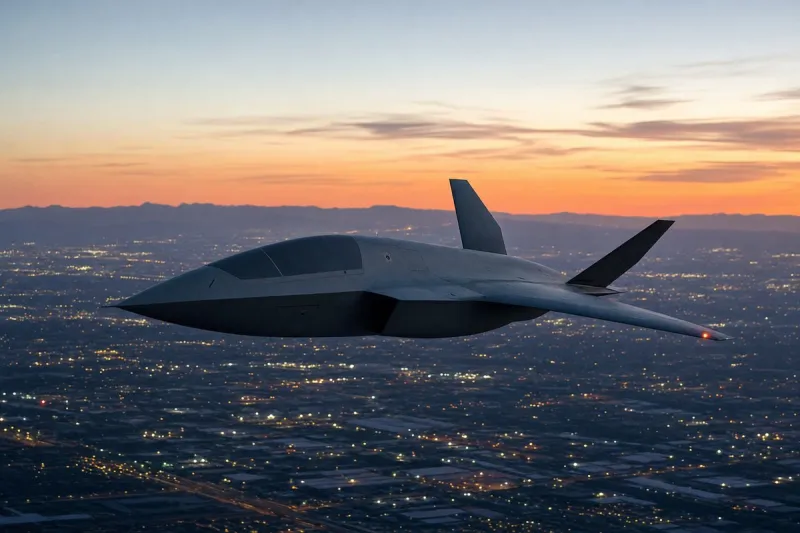
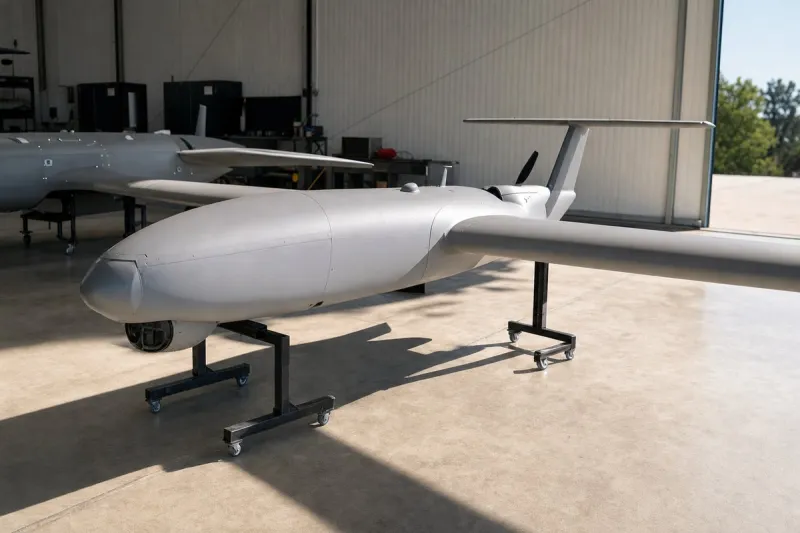
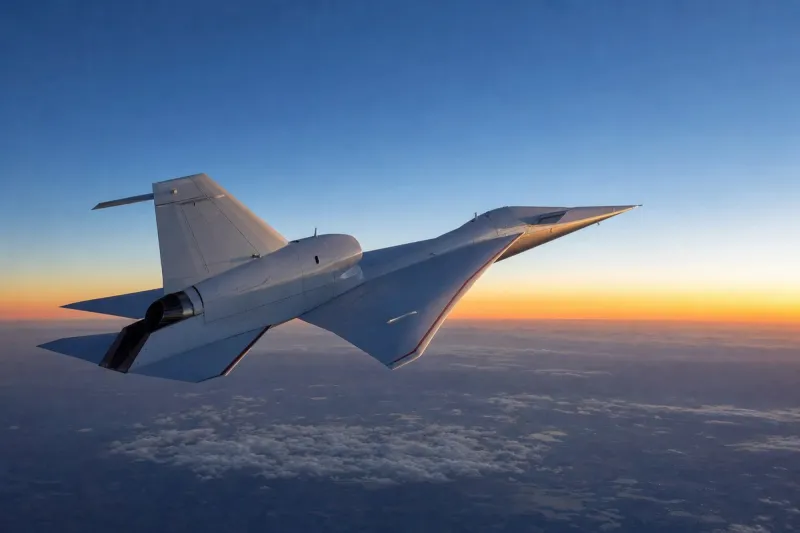
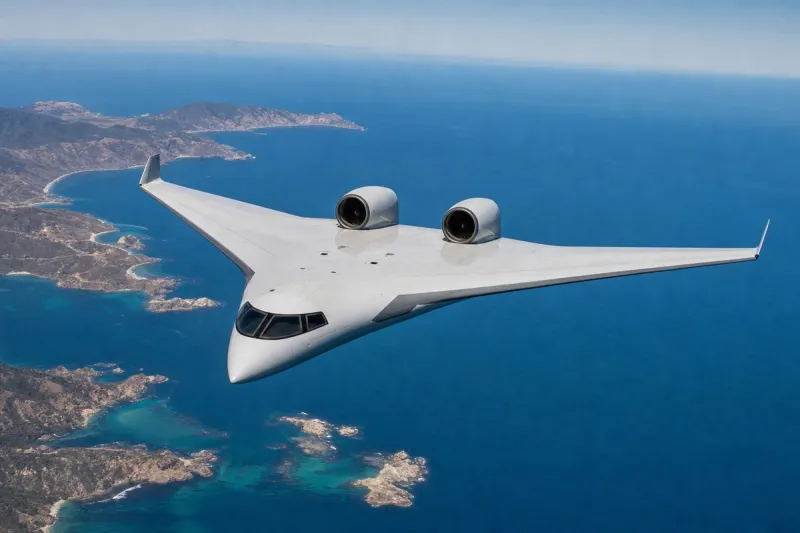
The US Air Force has tested the experimental XQ-67A uncrewed aircraft with new autonomous mission systems, more than two years after its maiden flight. The Air Force Research Laboratory (AFRL) announced the test on October 27 but did not disclose when the flight took place. The aircraft carried new sensors and mission computers, along with upgraded electrical and cooling systems needed to support the additional equipment. The test also included beyond-line-of-sight communications, which allow an uncrewed aircraft to exchange information when it is too far away for a direct radio link.
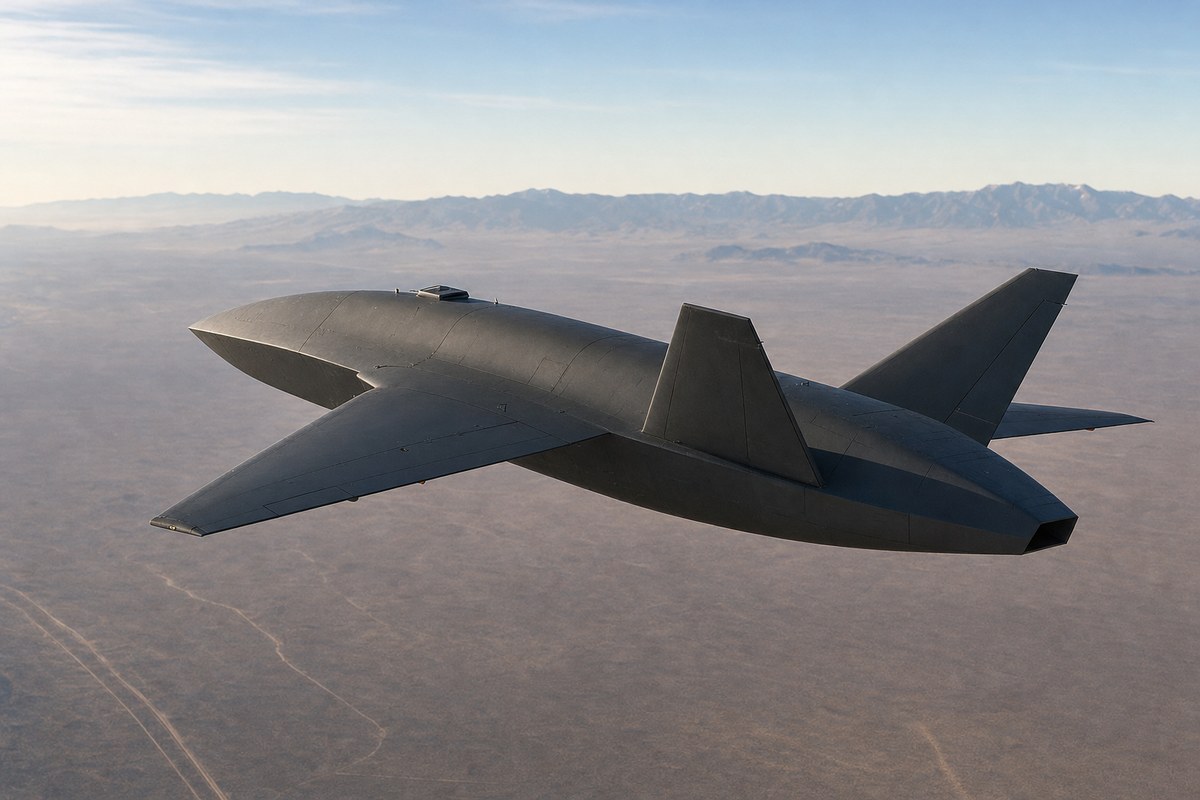
Built by General Atomics, the XQ-67A first flew on February 28, 2024, from the company's Gray Butte facility in California. It was originally developed as an Off-Board Sensing Station: a sensor-carrying, relatively inexpensive uncrewed jet that can operate farther from crewed aircraft, including in areas where sending a pilot would involve greater risk. AFRL and General Atomics also created a common basic airframe that can be adapted for different missions, so a sensor version could share much of its design with a version intended to carry weapons.
That work helped lead to the FQ-42A, General Atomics' Collaborative Combat Aircraft (CCA) for the Air Force. The company describes the XQ-67A as a flying prototype for the FQ-42A concept, but their roles differ: the XQ-67A remains an experimental aircraft for developing and testing technologies, while the FQ-42A is an uncrewed fighter intended for operational service, with an internal weapons bay and features designed to make it harder to detect. The FQ-42A first flew in August 2025 and received an initial production contract from the US Air Force in June 2026.
Continued use of the XQ-67A lets AFRL test technology for that concept without modifying production aircraft. An earlier test in 2025 demonstrated government-developed autonomy software and a tactical datalink aboard the aircraft. The work under the Demon APE effort is meant more broadly to develop technologies for autonomous collaborative aircraft, including systems beyond the first generation of CCAs.