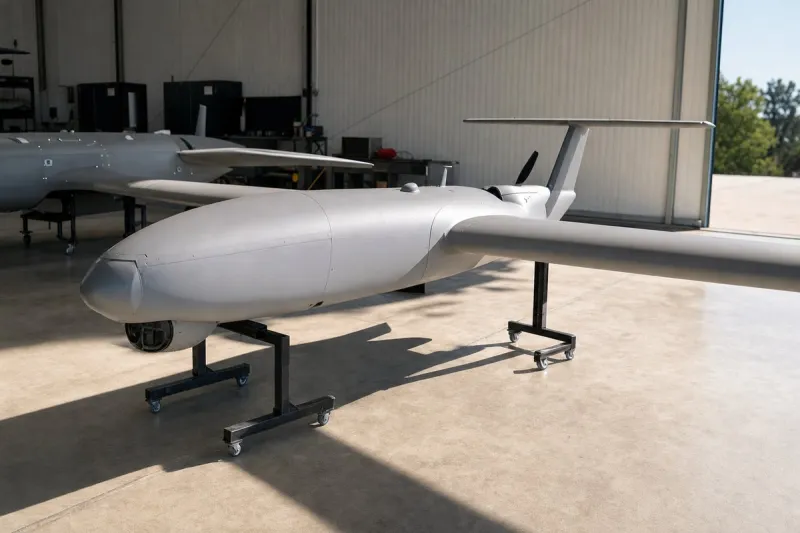
Aerocardal CEO: Structure and Coordination, Not Speed, Define Successful Medical Evacuation in Latin America
Why It MattersMedevac performance in fragmented regions turns on hospital readiness, regulatory fluency and operator handoffs, favouring providers that coordinate across borders over those competing mainly on aircraft speed.
In an industry-voice article published on 2 November 2026 in Issue 176 (November 2026), Aerocardal CEO Ricardo Real argues that successful medical evacuation in Latin America depends on structure: the ability to coordinate aviation, medicine, regulation and logistics across different national systems while preserving continuity of care. Real cites more than three decades supporting domestic and international medevac missions across South America and beyond.
He describes Latin America as a series of interconnected systems rather than a single environment, with aviation oversight, healthcare delivery, airport access and emergency response shaped locally. Runway access, night operations, medical staffing requirements and hospital admission protocols can differ across and within borders, so operators must distinguish which elements can be controlled centrally and which must be adapted locally.
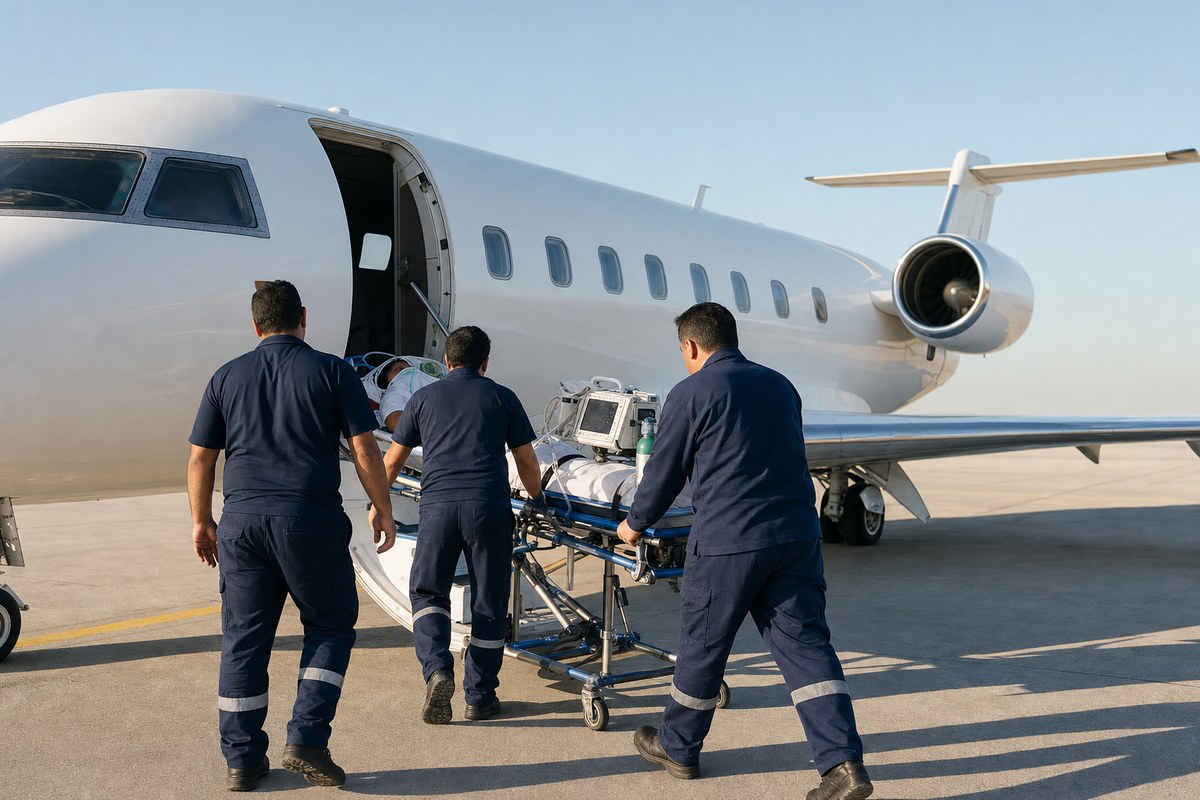
On aircraft choice, Real says selection is a medical and logistical decision first. Turboprops allow access to secondary airports, shorter runways and regions with limited jet infrastructure, and often suit domestic hospital transfers and regional missions in neighboring countries. Jets become essential for international missions or when a patient needs longer range, higher cabin stability or additional onboard medical resources. He identifies hospital coordination as the central pillar: receiving hospitals must be identified, confirmed and prepared before boarding, including bed availability, specialist coverage, admission protocols and insurance acceptance, and he says delays most often occur on the ground when hospital alignment has not been secured.
Real also describes wing-to-wing transfers, in which a patient is handed over at a midpoint between a regional operator and an intercontinental operator. Recife, Brazil, is cited as an important transfer point for onward transport to Europe or other destinations. He says this lets each operator work in its strongest area, limits crew fatigue and gives insurers greater control over cost and operational exposure, but requires exact timing, documentation and clinical handover. He further stresses continuity of care through standardized procedures and clear responsibility at every stage, and regulatory knowledge, such as landing permits, overflight approvals, equipment clearances and crew documentation, as an operational safeguard built into mission design.
Using Chile as an example, Real says around 100 medical evacuation flights take place each month nationwide, most domestic missions being funded by the public healthcare system rather than private insurers. Aerocardal operates approximately 40 of these flights; between 10% and 15% involve international transfers that fall outside public funding and require coordination with insurers, assistance providers, foreign operators and receiving hospitals abroad.