DHC-6 Twin Otter Spotted at Shobdon Airfield in Herefordshire
Why It MattersThe aircraft's sustained use across regional airlines, cargo operators, military forces and scientific teams shows how demand for short-field, multi-surface capability keeps a 1960s-era design in service across very different segments.
What happened
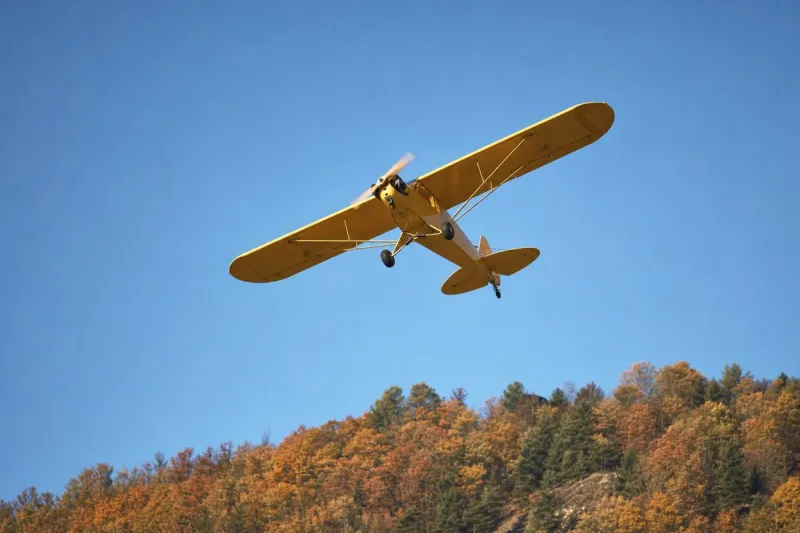
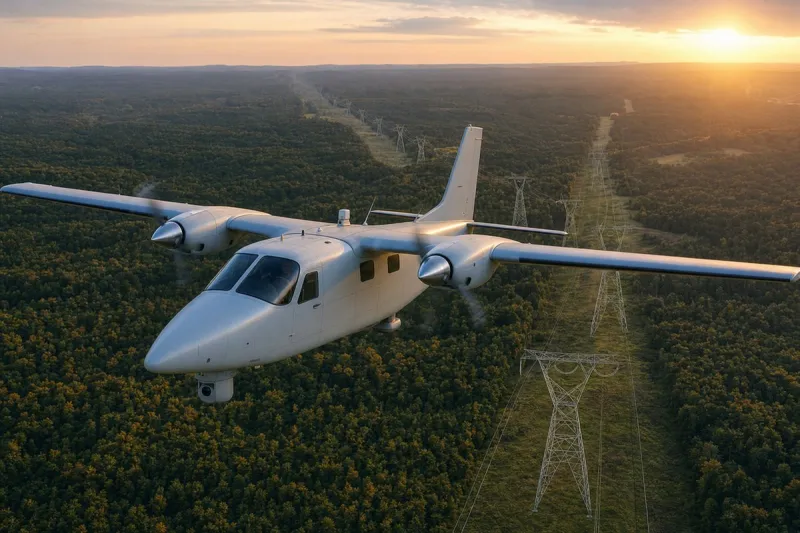
A De Havilland Canada DHC-6 Twin Otter was spotted at Shobdon airfield in Herefordshire. Jordon Gregory photographed the aircraft, saying he took a few photos at Shobdon on the day.
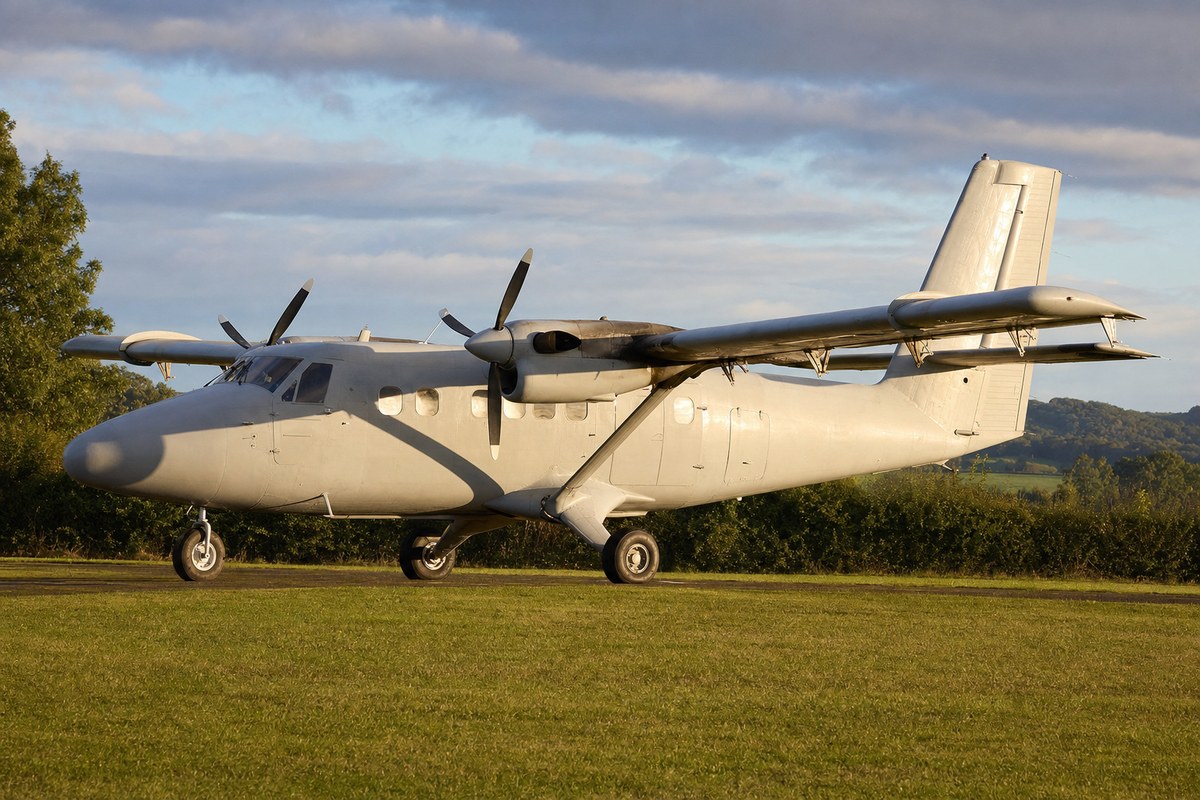
The Twin Otter is a twin-engine turboprop that first entered service in the 1960s. It is known for its short take-off and landing (STOL) capability, high-wing design and fixed landing gear.
Industry impact & what to watch
The Twin Otter's profile explains why one type shows up in such different places. A STOL-capable, high-wing aircraft with fixed landing gear can carry up to 19 passengers and work from gravel strips, water and snow, and that combination is what regional airlines, cargo operators, military forces and scientific teams all draw on for passenger transport and freight.
For the business-aviation segment, the pattern is one of utility over speed or cabin sophistication: where runways are short or unprepared, operators value the ability to reach the destination above other performance metrics. A sighting at a small airfield like Shobdon is a reminder that this class of aircraft is built around access to places larger types cannot serve.