Houthi Attacks on Riyadh's King Khalid International Airport Lead to 86% Flight Cancellations
Why It MattersA sustained attack campaign on a major Gulf hub tests the region's reputation for operational stability, turning airport security risk into a lasting factor in how carriers schedule and suspend service.
What happened
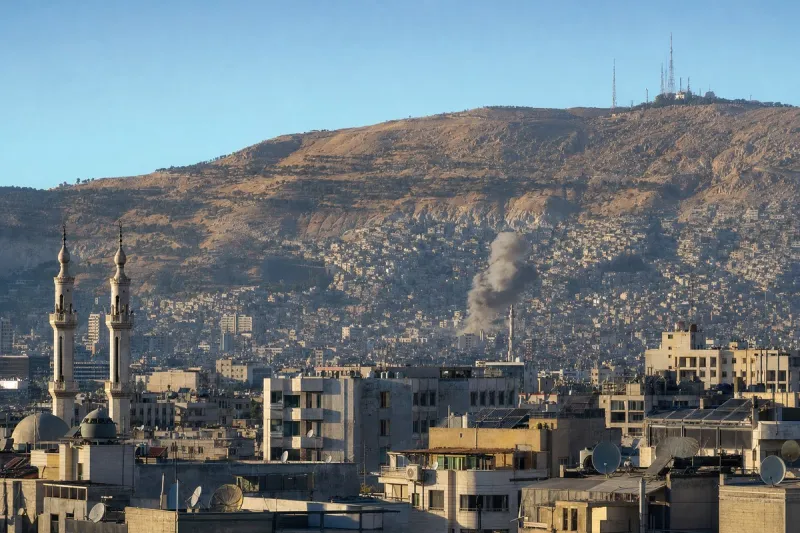
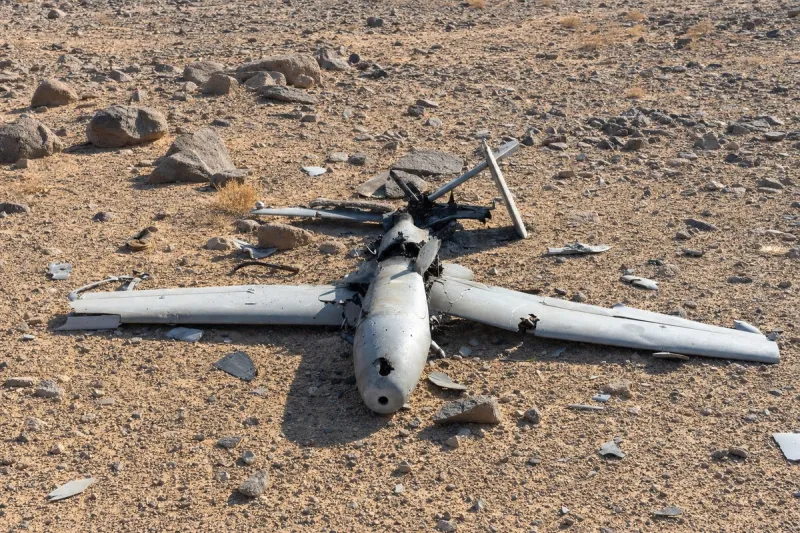
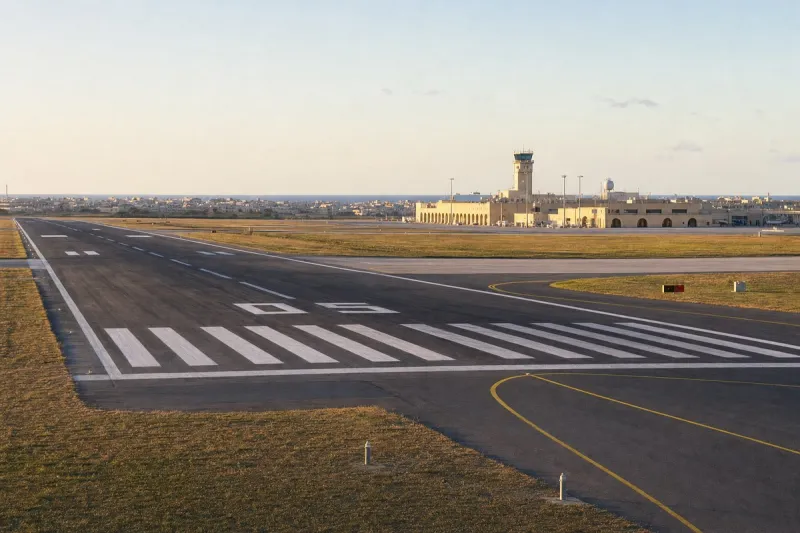
Houthi attacks on King Khalid International Airport in Riyadh have disrupted air operations at the Saudi capital's main airport. The strikes are linked to the Iran-aligned Houthi movement and resulted in significant casualties.
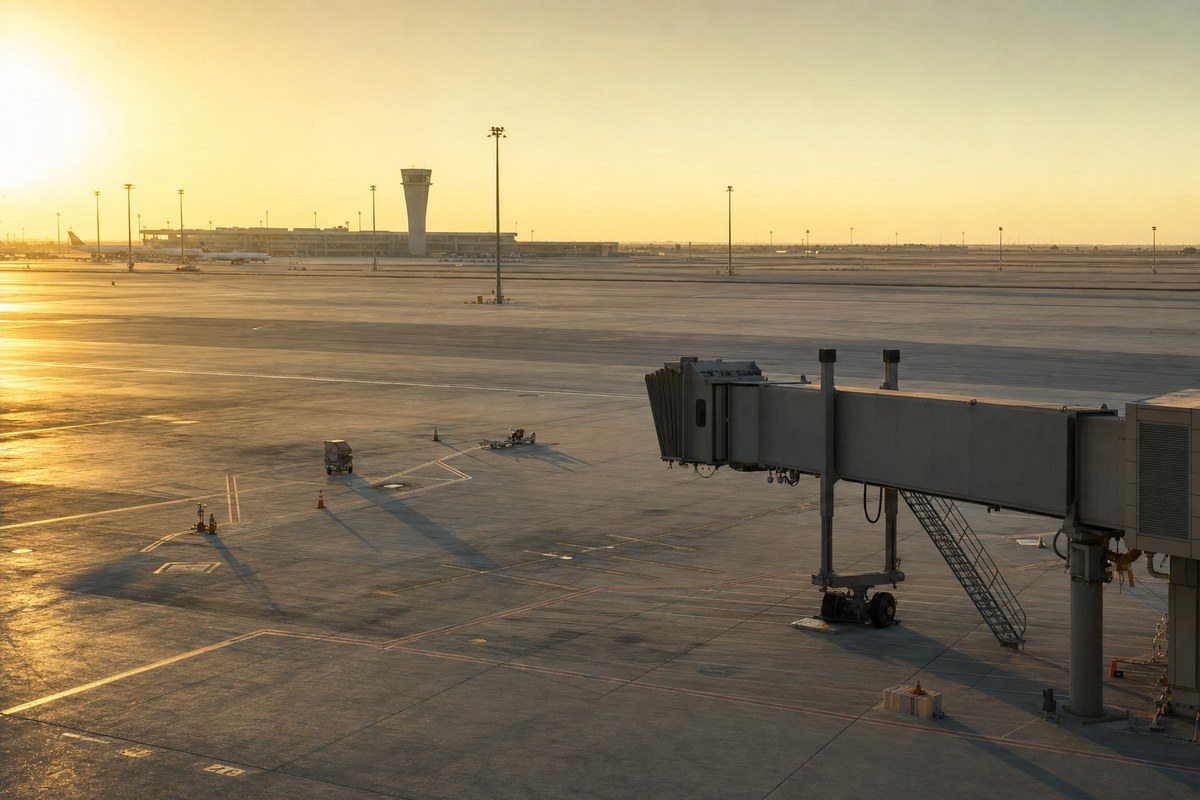
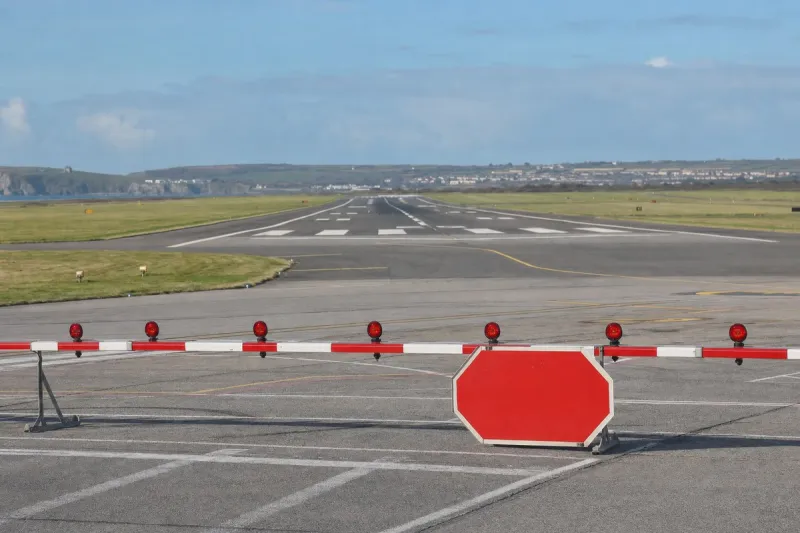
Between October 8 and 25, 86% of scheduled flights were canceled. Operations have since partially resumed.
Separately, Air France extended its suspension of flights to Riyadh and Dubai amid security concerns.
Industry impact & what to watch
Gulf hubs have built their commercial case on predictable, uninterrupted operations, since airlines and passengers plan connections through them on tight schedules. Strikes on a major airport undercut that premise, and a cancellation rate of 86% over more than two weeks shows how quickly a single hub can drop out of the network.
The partial resumption of operations does not remove the underlying exposure. With the threat of further attacks continuing, the disruption looks sustained rather than a one-off event, and carriers weighing their Gulf schedules face an open-ended risk assessment. Air France's decision to extend its suspension of Riyadh and Dubai flights is one example of how that assessment is being made.
The next signals are the pace at which the remaining operations at Riyadh come back, and whether other carriers follow the suspension approach or keep flying.