Medical Drones Move From Concept to Practice as Everdrone, Wing and VertiLink Pursue Emergency and Logistics Roles
Why It MattersMedical drones are being positioned beside air ambulances as a complement for rural and time-critical cases, while certification, airspace integration and regulatory approval still limit how fast the model scales.
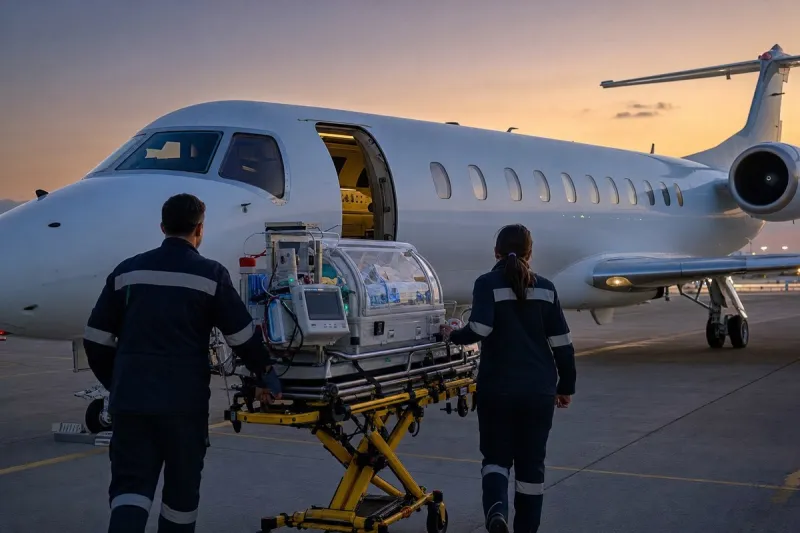
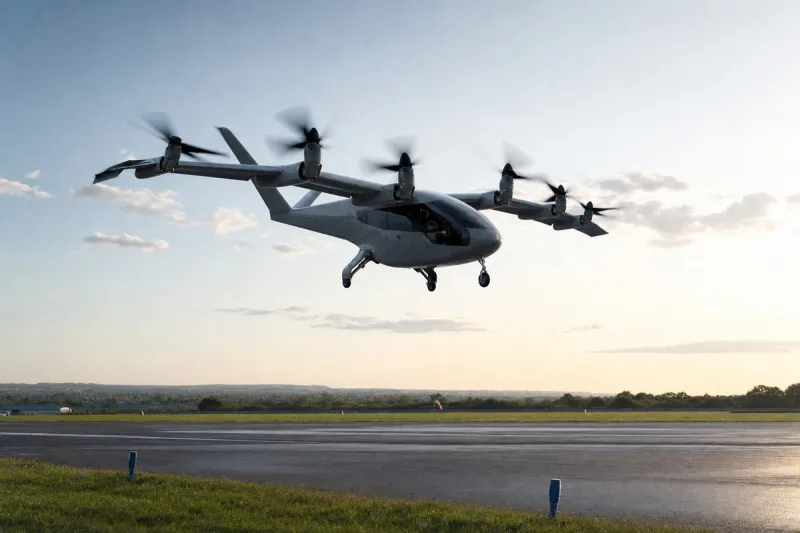
Medical drones are already in use in several countries and are being positioned as a complementary tool to air ambulances. They deliver medical supplies, blood products, medicines and diagnostic samples, particularly to rural and hard-to-reach communities and in time-critical situations. Safety standards, certification, airspace integration and regulatory approval remain challenges to wider scaling. Everdrone CEO Mats Sällström said the question has shifted from whether such services can work in real emergencies to how quickly they can be implemented at scale.
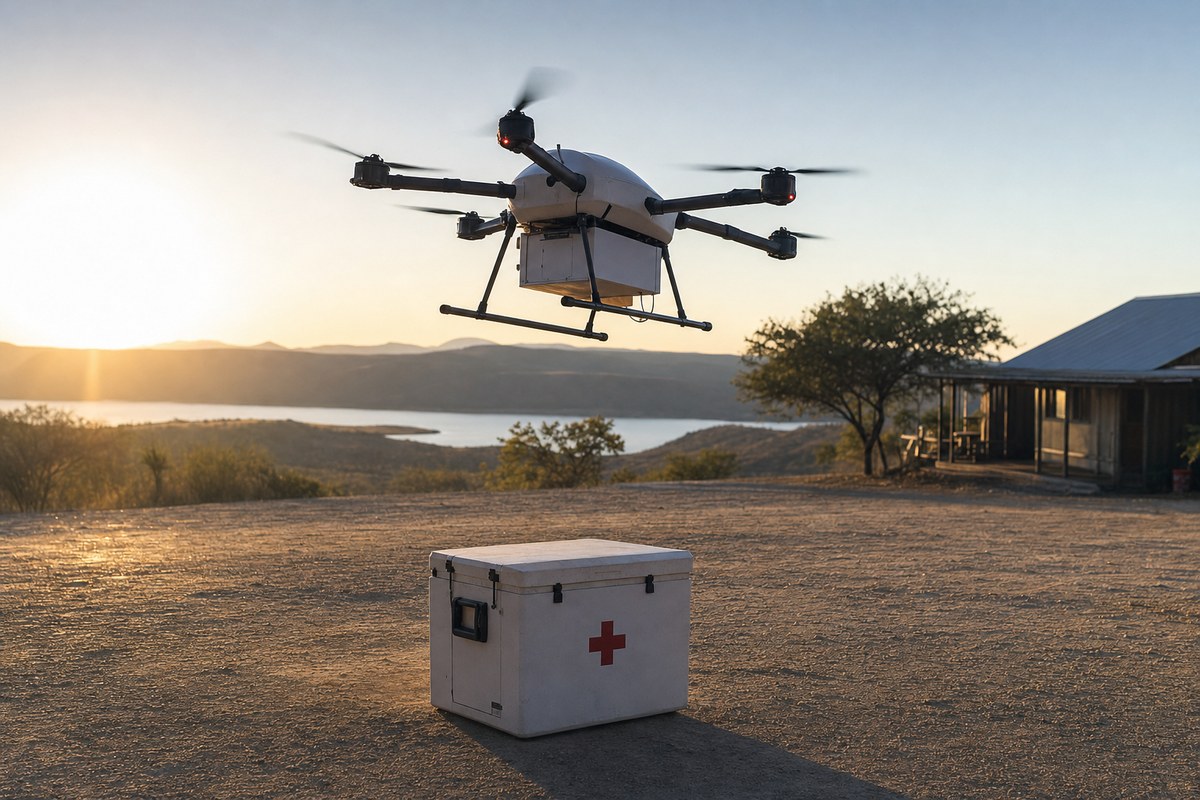
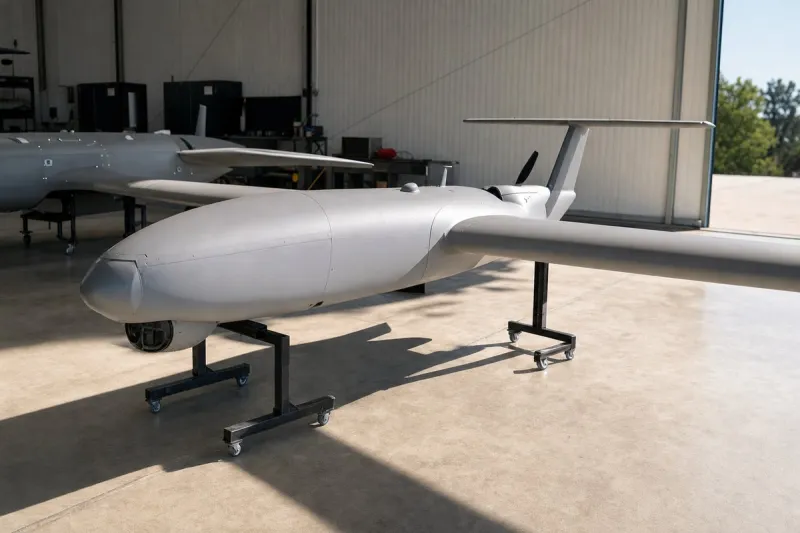
Sweden-based Everdrone operates its own purpose-built autonomous drone platform for emergency medical use. When an emergency call within the service's coverage area and operational criteria is received, an autonomous drone is dispatched from a local base while ambulance resources are mobilized simultaneously. Depending on the mission, the drone either carries an automated external defibrillator (AED) and lowers it to the ground by winch, or provides live video from the scene to dispatchers and responders. A trained operator monitors the drone throughout, and emergency dispatch centers remain in control throughout missions.
Wing, an Alphabet company, has completed more than one million commercial drone deliveries worldwide and is scaling in the USA. With South West London Pathology (SWLP) and Apian, Wing is using drones to carry urgent pathology samples from the Nelson Health Centre in Raynes Park to St George's Hospital in south London. Since February 2026, samples have been flown in just over three minutes, compared with around 20 minutes by road. The drone travels automatically from its base at St George's, lowers a tether for the loader to attach the carton, then climbs to a cruising altitude of around 70 m. On airspace, Wing says it flies in underutilized airspace over populated areas, conducts aviation community outreach, and uses a layered beyond-visual-line-of-sight (BVLOS) approach that has supported commercial deliveries on three continents for several years.
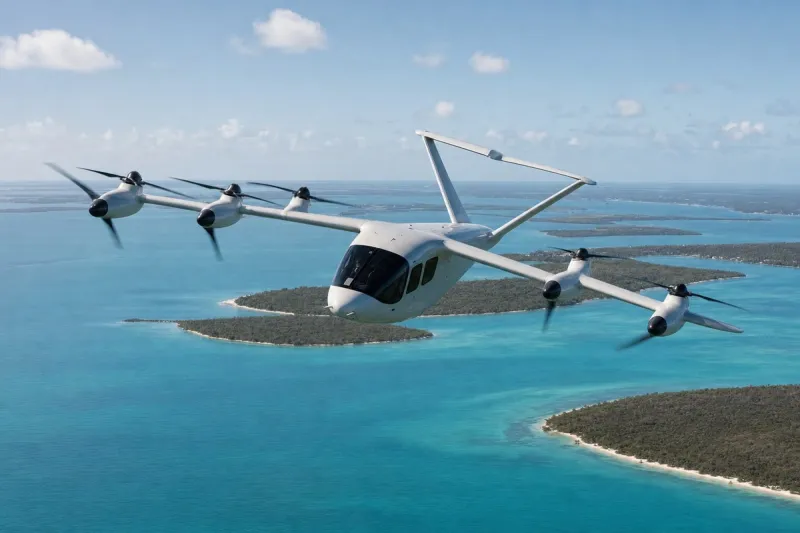
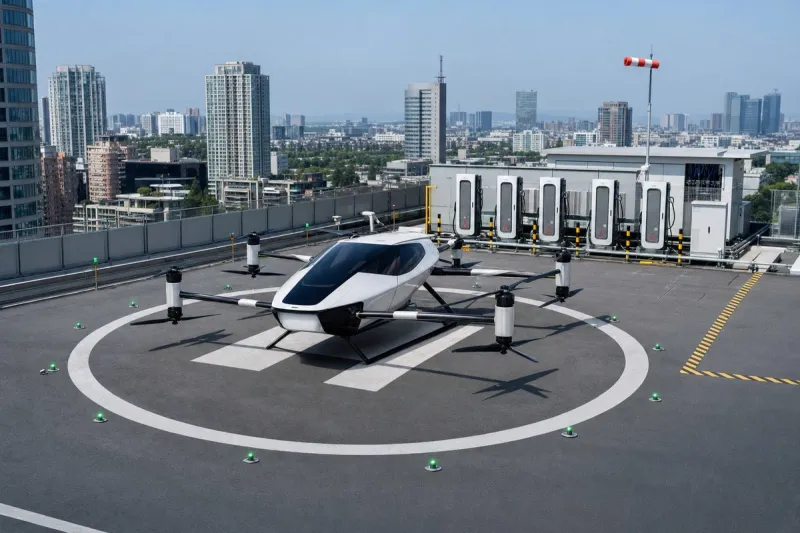
New Zealand-based VertiLink, which focuses on advanced air mobility for remote and underserved communities, has so far been involved only in proof-of-concept and demonstration work rather than a routine medical drone service. Chief Executive Charlie Nelson said this included a medical logistics trial last year serving Matakana Island, conducted with local Māori iwi, healthcare providers and technology partners as part of research with the University of Auckland. Community feedback emphasized the need for better access to healthcare.