Mexico Tightens Aviation Rules and Raises AFAC Budget Ahead of February FAA Safety Determination
Why It MattersA Category 2 downgrade would freeze Mexican carriers' growth on US routes, while rising airspace and visitor fees are lifting the cost of flying in and out of Mexico.
The Mexican federal government is tightening aviation regulations and expanding sector investment as the country awaits a US Federal Aviation Administration (FAA) safety assessment under the IASA process, with a final determination expected in February. The result will decide whether Mexico keeps Category 1 safety status or is downgraded to Category 2. Under Category 2 restrictions, Mexican air carriers would be barred from increasing flight frequencies or launching new routes to the United States.
The Ministry of Finance and Public Credit (SHCP) reported that the approved 2026 allocation for civil aviation authority AFAC rose from MX$675.5 million (US$36.41 million) to MX$803.1 million (US$43.29 million) during the third quarter. This followed an earlier plan to cut agency funding by 73% to MX$175.4 million (US$9.45 million), which drew immediate opposition from the National Air Transportation Chamber (Canaero). Infrastructure, Communications and Transportation (SICT) Minister Jesús Esteva said AFAC's budget is slated to reach MX$1.4 billion (US$75.45 million) in 2027. According to AFAC documentation, the legal reforms address civil aviation security programs, personnel training and certification, oversight of cargo and postal operators, custody chain protocols, disruptive passenger procedures, and assistance programs for victims and relatives. They also formally define the National Civil Aviation Security Program as the state's written framework for protecting operations against acts of unlawful interference. Separate reforms to the Airport Law update the rules for building, operating and exploiting civil aerodromes and strengthen AFAC's oversight powers.
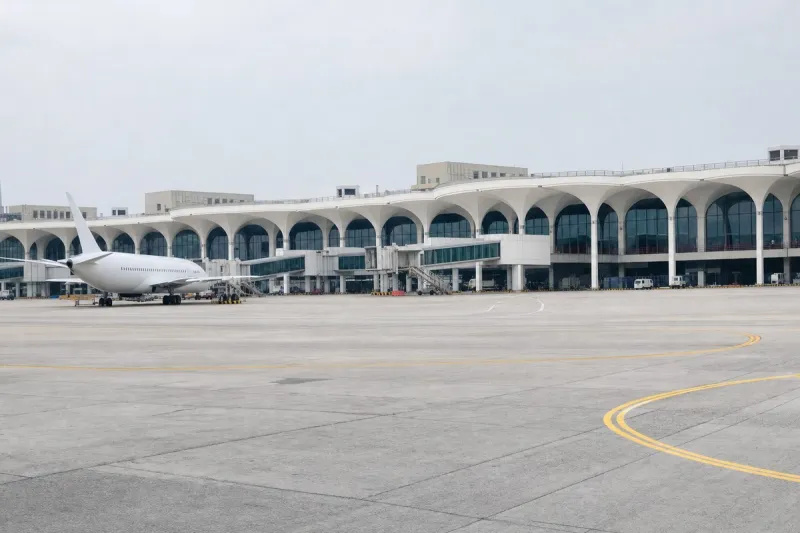
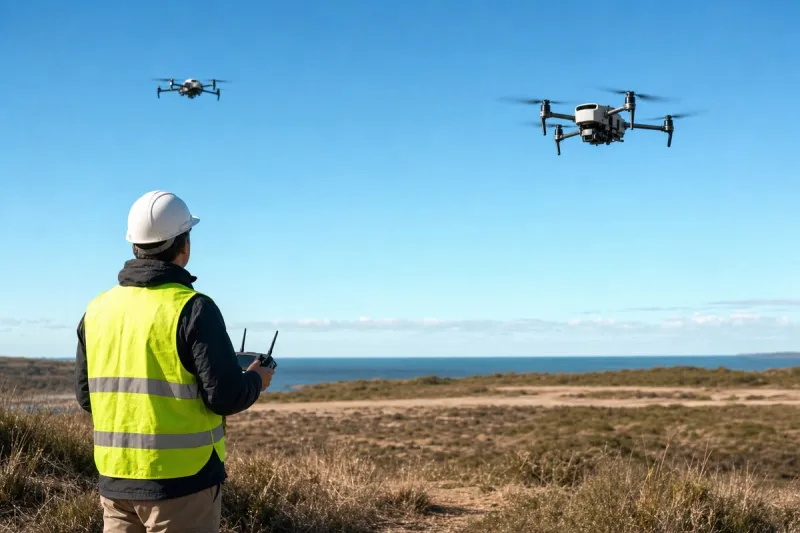
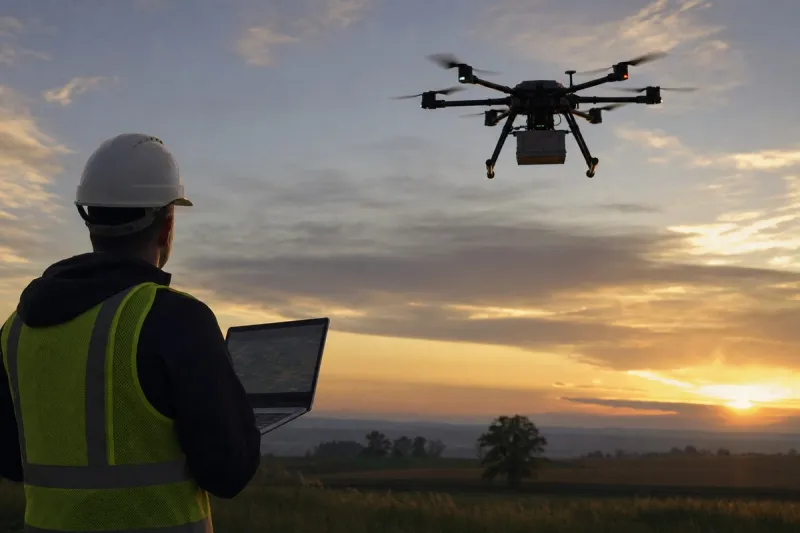
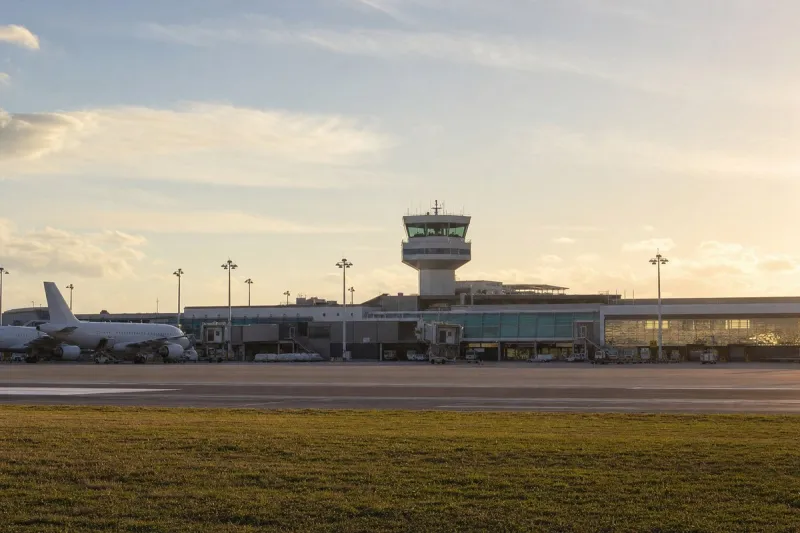
At Mexico City International Airport (AICM), a new counter-drone system has been deployed to protect terminal airspace. Between May and full activation of the system, passive monitoring detected 11,941 drones around the airport's perimeter. Authorities neutralized seven unmanned aircraft that entered restricted flight zones, forcing them into controlled landings in secure areas before handing the units to AFAC. The platform detects, tracks and takes command of unauthorized drones within a five-kilometer radius, using radar sensors, command antennas and countermeasure mechanisms.
Mexican carriers also face higher costs under the upcoming Federal Rights Law. Volaris calculated that a 10% increase in airspace usage fees will add US$13 million in direct costs next year. Airspace navigation, takeoff and landing fees were the carrier's second-largest operating cost in the third quarter at US$171 million, up 23% year over year, behind only fuel at US$377 million. The package also raises the Non-Resident Right (DNR) charged to foreign visitors from MX$983 (US$52.99) to MX$1,158 (US$62.43), a 17% increase that also applies to transit passengers. The Latin American and Caribbean Air Transport Association (ALTA) had warned that the measure would widen cost disparities in the region, noting that mandatory government fees already make up 59.3% of international and 65.2% of domestic ticket prices in Mexico. With the DNR adjustment, total taxes per inbound traveler could rise from up to US$131 to US$191.