FAA Adds Research Topics on Lost Communications and Spectrum Interference for Autonomous Airport Ground Vehicles
Why It MattersRegulators are moving to define safety expectations for autonomous airside vehicles, which shapes how operators, ground handlers and suppliers of automated equipment will need to qualify systems operating around aircraft.
The Federal Aviation Administration (FAA) is seeking applied research into cybersecurity vulnerabilities, communications failures and radio-frequency spectrum interference tied to autonomous ground vehicle systems (AGVS) at airports. The agency added the lost-communications and spectrum-interference topics in October 2026, expanding its research agenda for autonomous vehicles in airport environments.
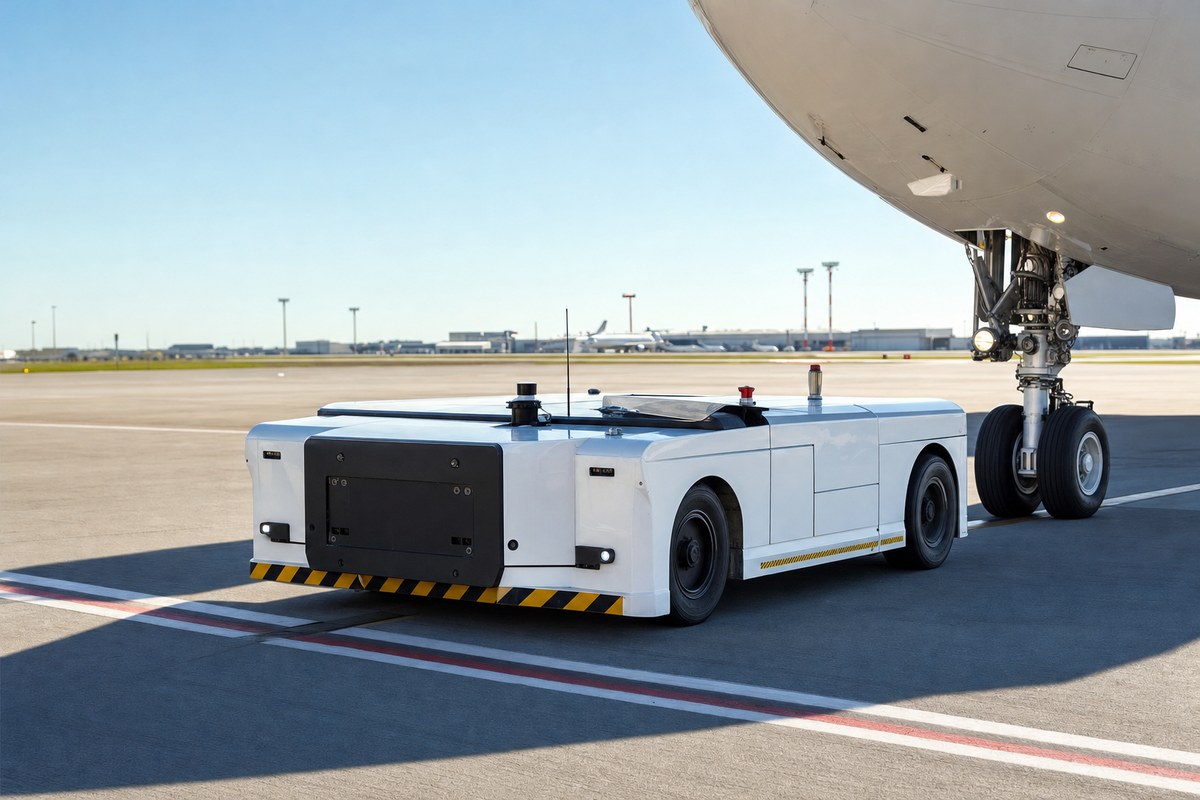
The topics sit in Amendment 014 to the FAA's Aviation Research 2025 Broad Agency Announcement (BAA), dated Nov. 3, 2026. The cybersecurity topic, ARAS0014, was added in Amendment 012 on Sept. 29, 2026. Amendment 013, issued Oct. 19, 2026, added ARAS0015 on lost communications and ARAS0016 on spectrum interference. The FAA covers autonomous vehicles used for aircraft towing, baggage transport, de-icing, employee shuttles, foreign object debris collection and perimeter inspections, as well as self-driving jet bridges.
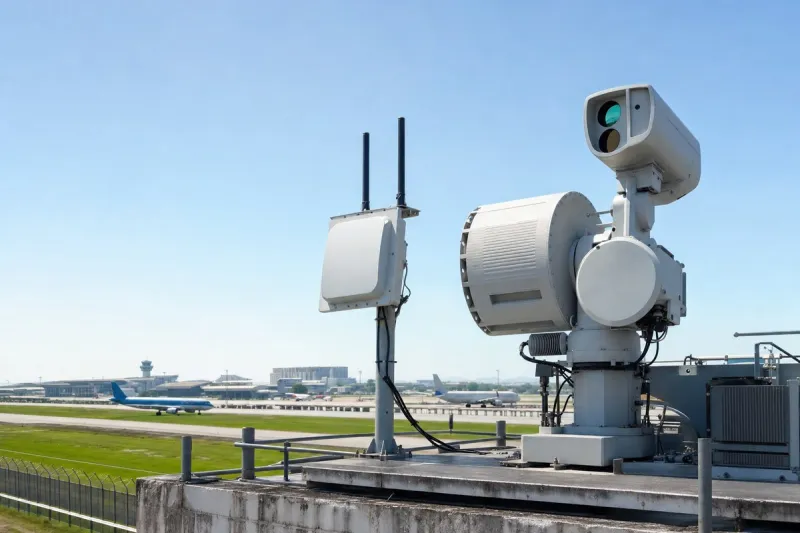
Under ARAS0016, researchers are to develop methods to identify and mitigate interference between autonomous vehicles and other airport equipment. The FAA is concerned both that vehicles could affect frequencies used by airport systems and that existing equipment could interfere with vehicle systems. Named equipment includes FAA navigation aids, avian radar, uncrewed aircraft detection systems and foreign object debris detection systems. ARAS0015 asks how vehicles should behave when they lose communications with command-and-control (C2) systems monitored by human operators, with procedures that account for outage duration and the vehicle's task. Researchers are to assess existing industry procedures and recommend improvements for vehicles in movement areas, including when to continue a task, stop immediately, move to a safe area, or abort and return to base. ARAS0014 targets risks in movement, non-movement and remote areas such as perimeter fences, covering vulnerable components that may include centralized C2 infrastructure and tablets or smartphones used by airport personnel.
Each of the lost-communications and spectrum topics anticipates a research period of no more than 12 months. The FAA is soliciting research approaches rather than prescribing a specific technical solution, and named Stephen Jenniss as the primary point of contact for the BAA.