SkyGrid Outlines Automation and Common Operating Picture Approach to Integrating Advanced Air Mobility Into Existing Airspace
Why It MattersThe proposal frames advanced air mobility integration as an add-on layer for legacy air traffic systems rather than a replacement, pointing to low-altitude airspace as the first segment under strain.
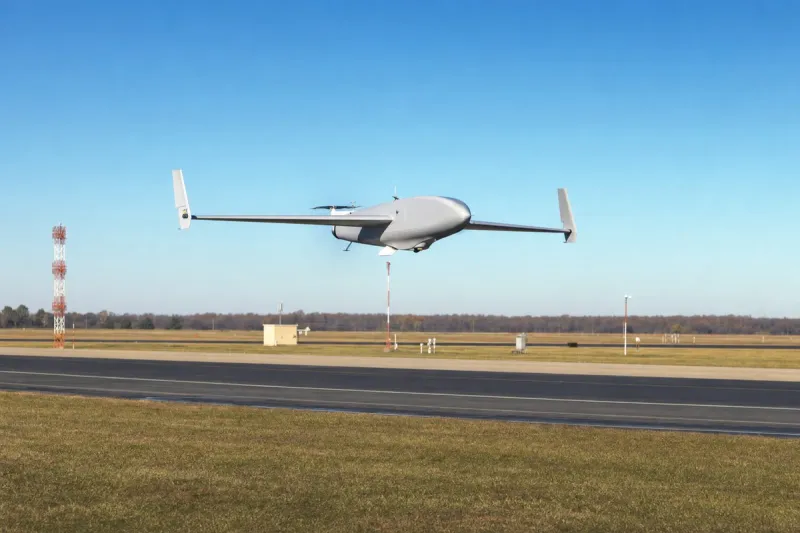
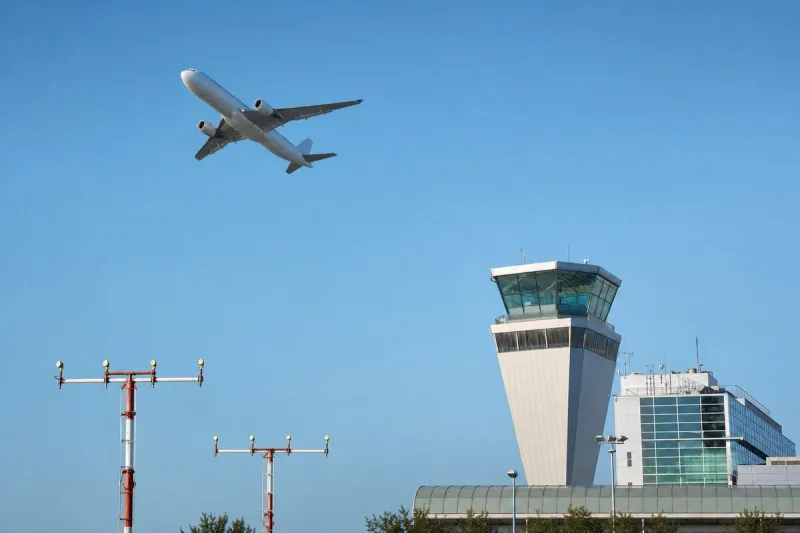
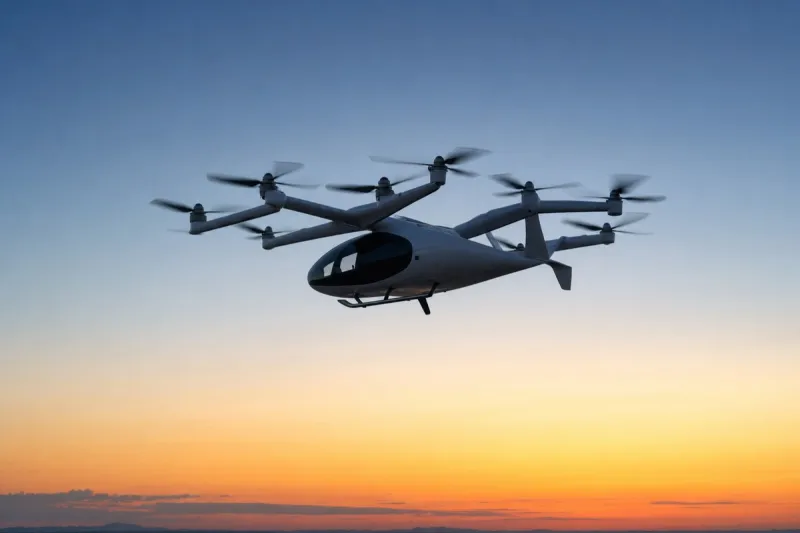
SkyGrid has set out its approach to integrating Advanced Air Mobility operations into the existing national airspace. The company notes that the FAA manages more than 45,000 flights and 2.9 million passengers every day, and that high-density uncrewed aircraft, eVTOLs and increasingly autonomous operations are now arriving in the same airspace that carries commercial traffic. Air Navigation Service Providers have safely managed traffic with voice communications and surveillance tools, but SkyGrid says those systems were not built for the volume and variety of AAM operations and that replacing them is not financially or operationally realistic. It argues for integrating new tools into legacy systems while keeping controllers at the center of air traffic management.

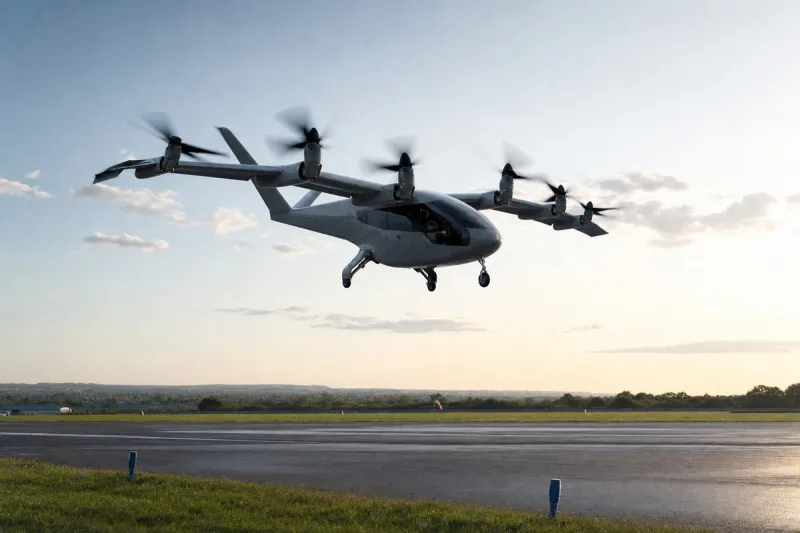
SkyGrid points to low-altitude airspace as the clearest need. Helicopters are typically managed through visual clearances and voice communication, often by a dedicated tower controller, an approach that does not scale to dozens of cargo flights, eVTOLs and helicopters operating at once. The company proposes automating routine, high-volume work, including flight plan validation and demand-capacity balancing against traffic, weather and closures, strategic deconfliction of conflicting trajectory intents before departure, and conformance monitoring that alerts controllers and operators.
SkyGrid's ground-based, high-assurance data services and ATM automation platform sits between operators and ANSPs and augments existing ANSP tools. Its services cover ground-based traffic surveillance for low-altitude airspace, weather data at vertiports, C2 and GNSS performance alerts for satellite-based services used by AAM operators, and resource status and capacity data for takeoff and landing sites. The company says these systems are developed and tested to aviation safety standards.
SkyGrid expects the evolution to occur in phases. Initially, ANSPs would receive data and decision support to integrate new aircraft into current airspace structures; over time they could take a more strategic role, setting capacity limits and times of operation rather than managing each aircraft individually. SkyGrid says updated regulations and Automated Flight Rules could support this shift by establishing clear responsibilities for third-party services and predictable procedures for uncrewed operations, and that it is working with the FAA and industry partners to test concepts.