Boeing, GE Aerospace Expand Digital Tracking to Keep Unapproved Parts Out of Airline Fleets
Why It MattersElectronic airworthiness certificates could shift parts traceability from paper-based trust toward verifiable records, but adoption is still at pilot scale across the supply chain.
Boeing and GE Aerospace are expanding digital documentation and tracking to help keep unapproved components out of airline fleets, three years after it emerged that U.K. supplier AOG Technics sold parts with falsified paperwork concealing their origins.
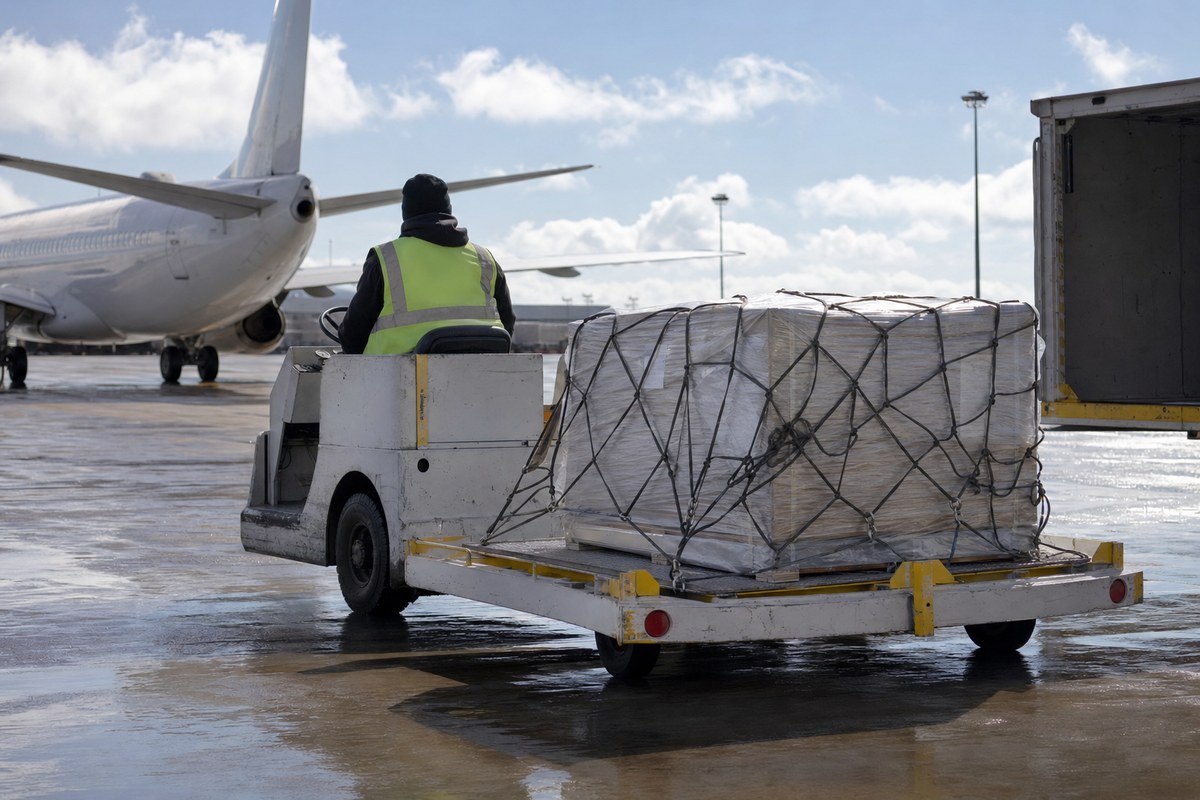
Boeing and Southwest Airlines completed one of the sector's first parts shipments using a fully electronic certificate documenting airworthiness and traceability, according to the Aviation Supply Chain Integrity Coalition. GE Aerospace is separately testing electronic records and information sharing with United Airlines, and has introduced technology to track components that lack serial numbers.
Digital records are intended to make forged signatures easier to detect and to improve information exchange. Although bogus parts are uncommon, U.S. and European aviation regulators have issued notices covering five and three suspected cases, respectively, this year. The industry's latest initiatives remain at an early stage. AOG Technics director Jose Alejandro Zamora Yrala received a prison sentence of four years and eight months in February after pleading guilty to fraudulent trading.