FAA Issues Final-Rule AD Requiring Repetitive Aileron BITE Tests on Boeing 737-600/-700/-700C/-800/-900 Airplanes
Why It MattersA no-comment, fast-effective directive on the most widely flown narrowbody family shows how quickly a latent flight-control monitoring risk can turn into a recurring inspection burden for operators.
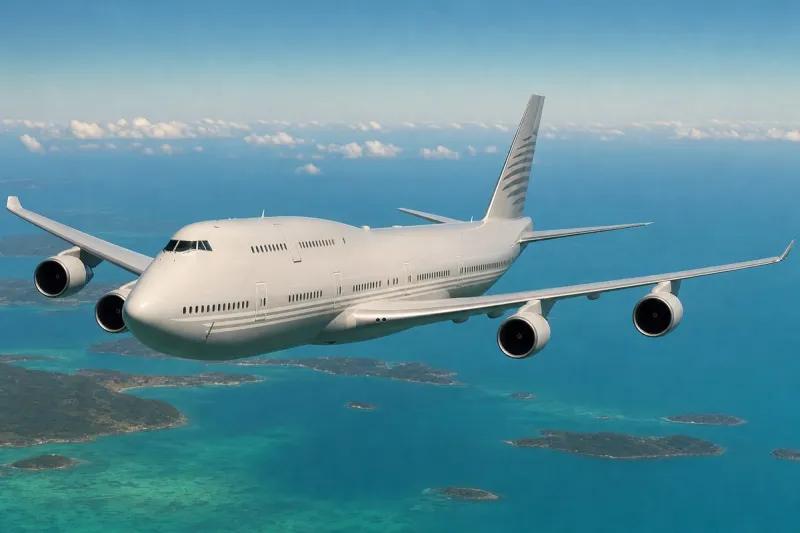
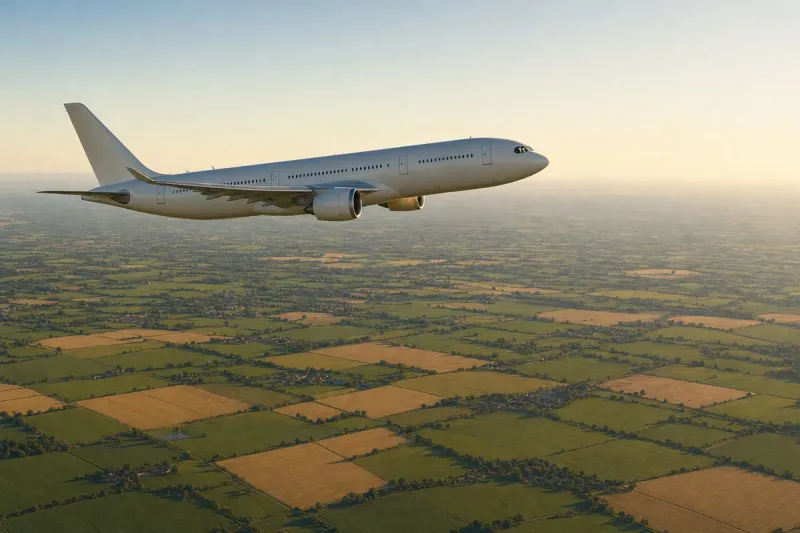
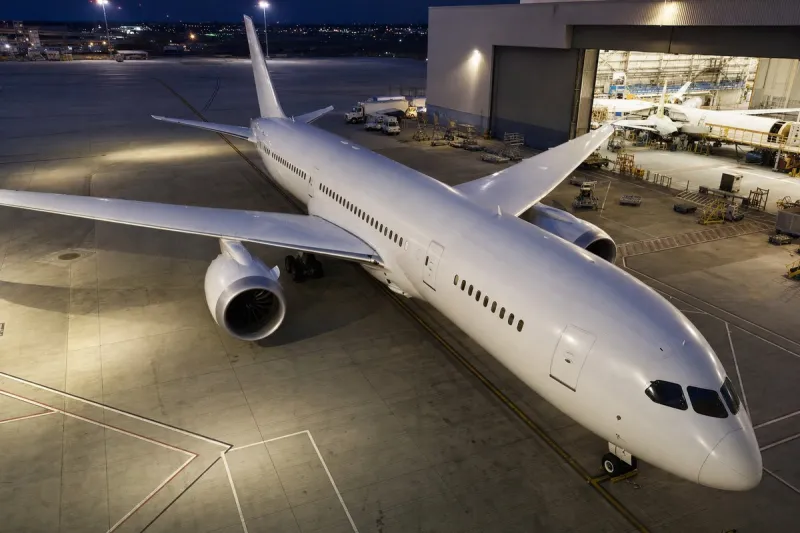
The Federal Aviation Administration is adopting a new airworthiness directive for certain Boeing 737-600, -700, -700C, -800 and -900 series airplanes. The AD, number 2026-23-04 (Docket No. FAA-2026-13812; Project Identifier AD-2026-01169-T), is scheduled for publication in the Federal Register on 2026-11-20. It was prompted by a review of the autothrottle cruise thrust split monitor (MONFD), in which the FAA determined there is a potential for latent loss of spoiler sensor position data or erroneous spoiler sensor position data.
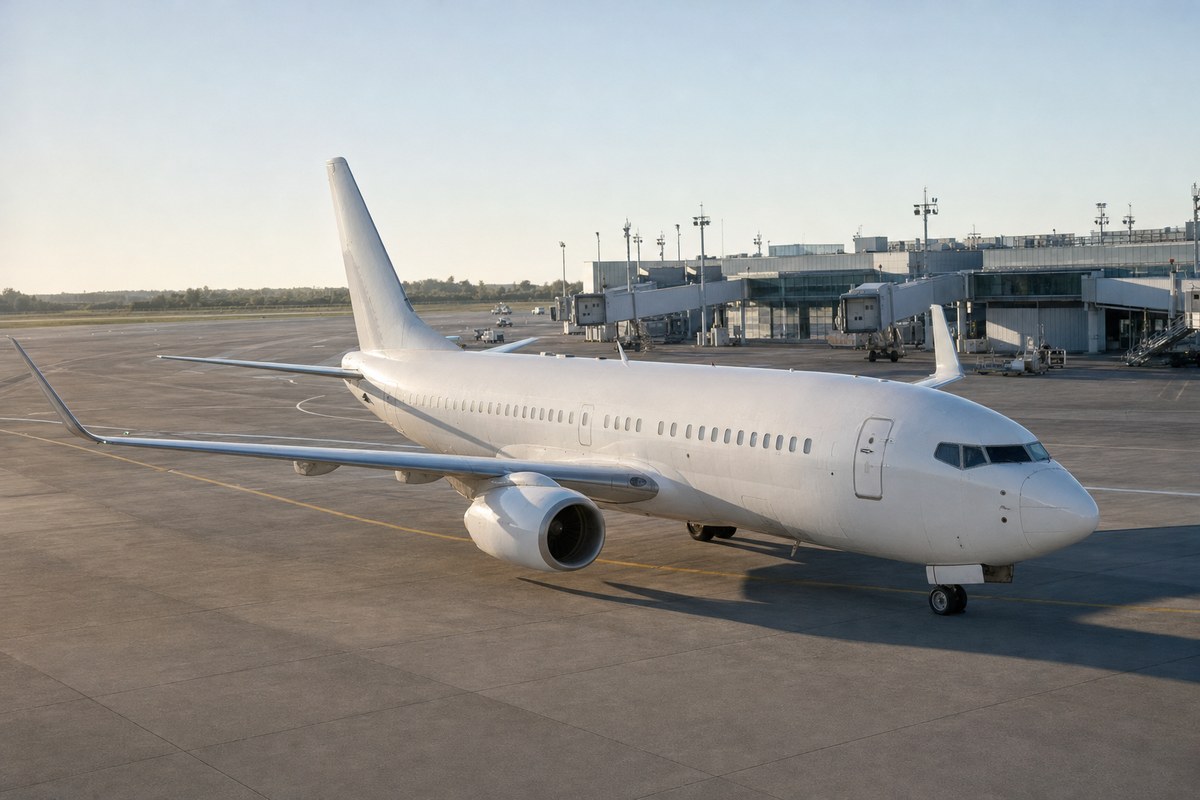
If not addressed, the condition could cause the MONFD to fail to activate. That could result in a significant throttle split leading to asymmetric thrust and a lack of autothrottle disengagement, potentially causing an uncommanded roll. An uncommanded roll not detected and corrected by the flight crew in a timely manner could result in potential loss of control and loss of continued safe flight and landing.
The AD requires repetitive aileron built-in test equipment (BITE) tests of the digital flight control system, plus applicable on-condition actions that include addressing a test failure and repeating the test until it passes. The FAA found good cause to issue the rule without prior notice and comment and to make it effective in less than 30 days, citing the risk to the flying public and a compliance time shorter than the time needed for public comment. The incorporation by reference of the referenced publication is approved as of 15 days after the date of publication in the Federal Register.
The FAA estimates the AD affects 300 airplanes of U.S. registry. Each BITE test is estimated at 2 work-hours at $85 per hour, or $170 per test cycle per airplane, with no parts cost, for a total of $51,000 per test cycle for U.S. operators. The FAA has no definitive data on which to base cost estimates for the on-condition actions.