Archer Aviation to Begin Test Flights Over Los Angeles Ahead of 2028 Olympics
Why It MattersTest flying in Los Angeles airspace ahead of the 2028 Olympics shows electric air taxi makers racing to demonstrate regional readiness while FAA type certification remains the gating step for commercial service.
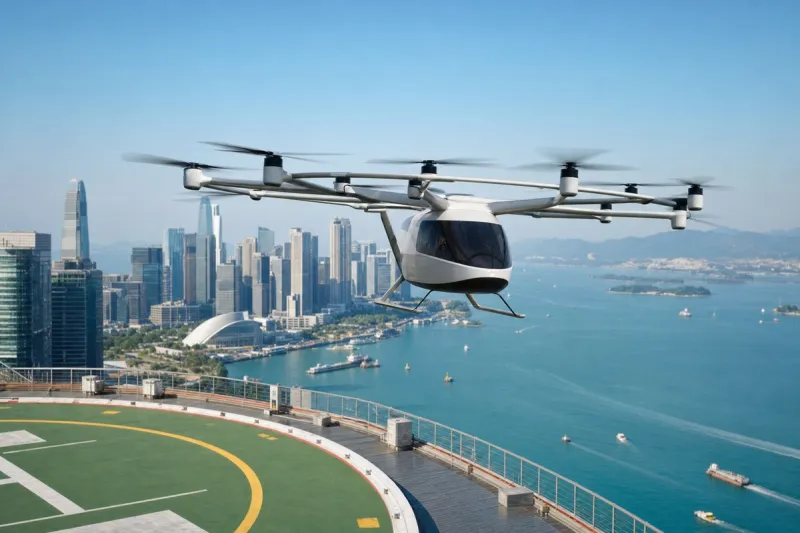
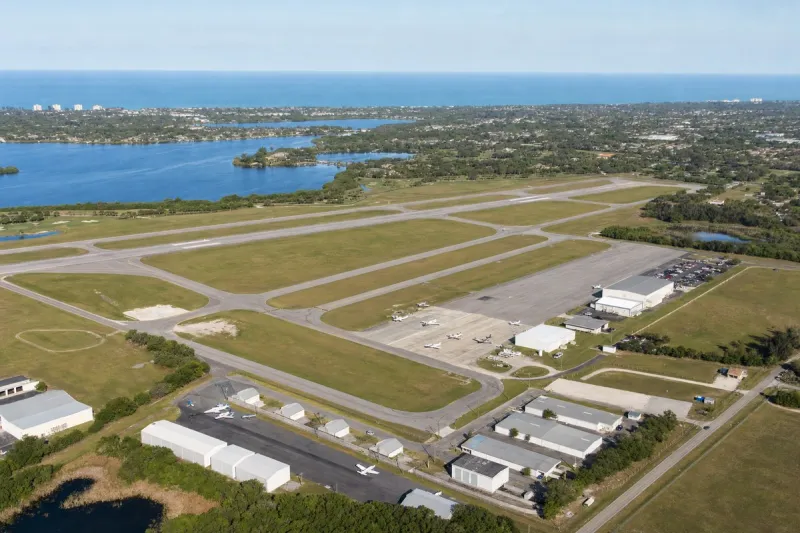
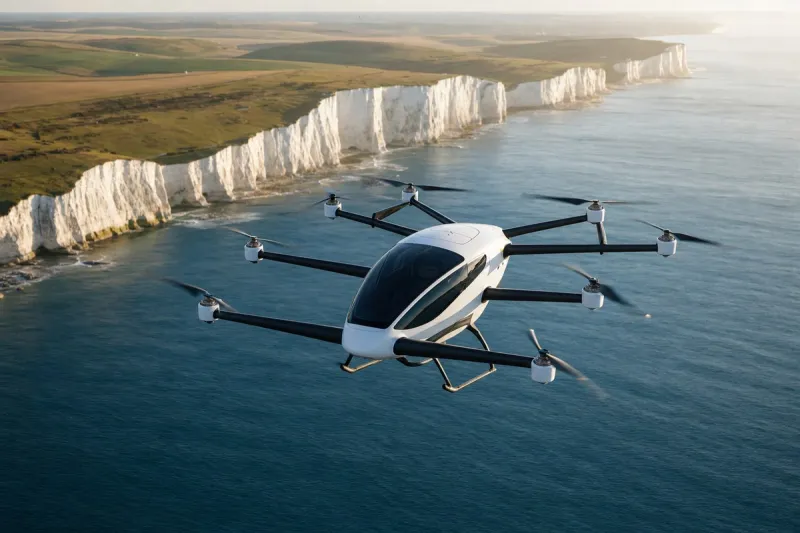
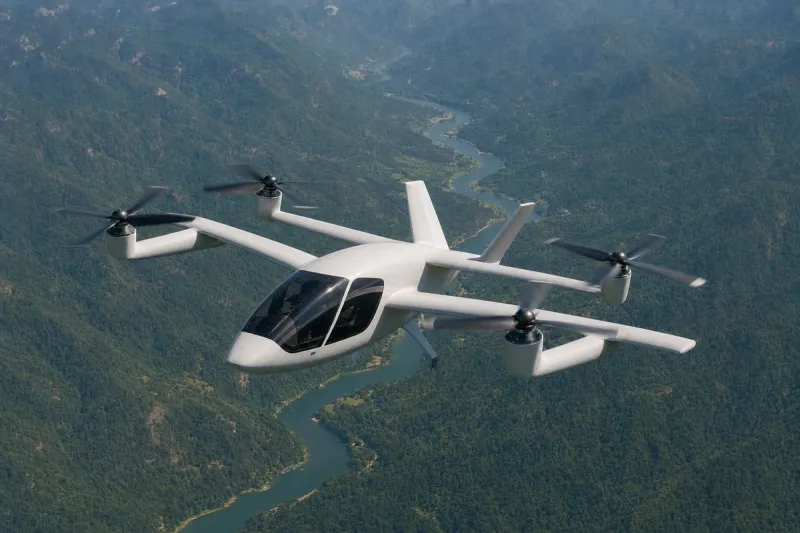
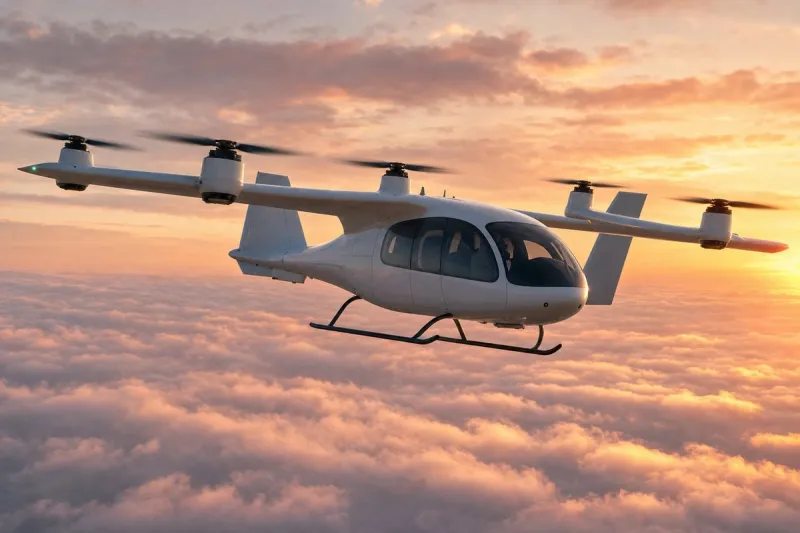
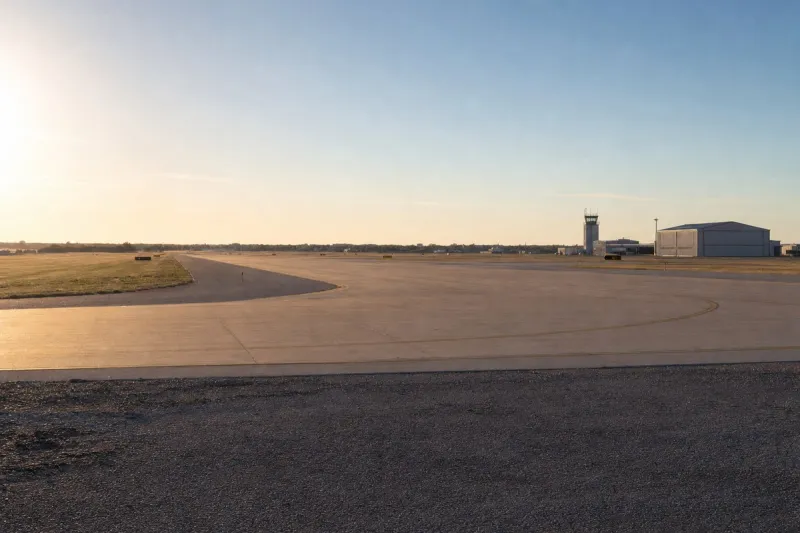
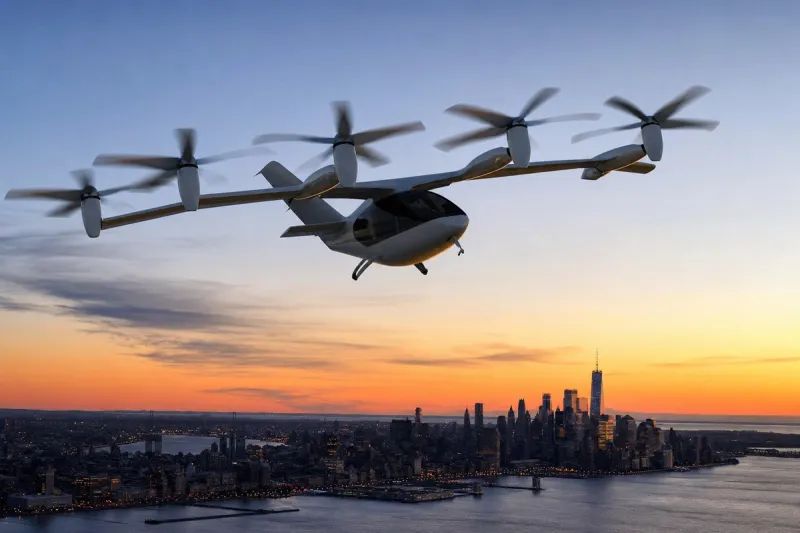
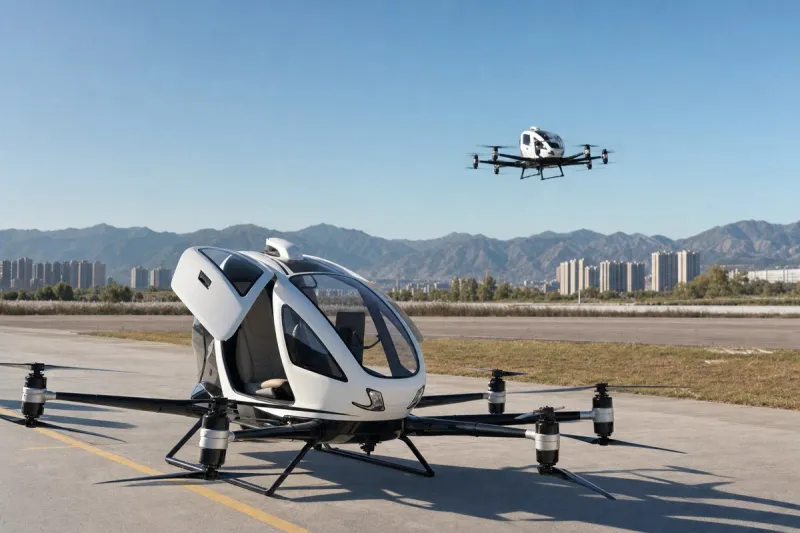
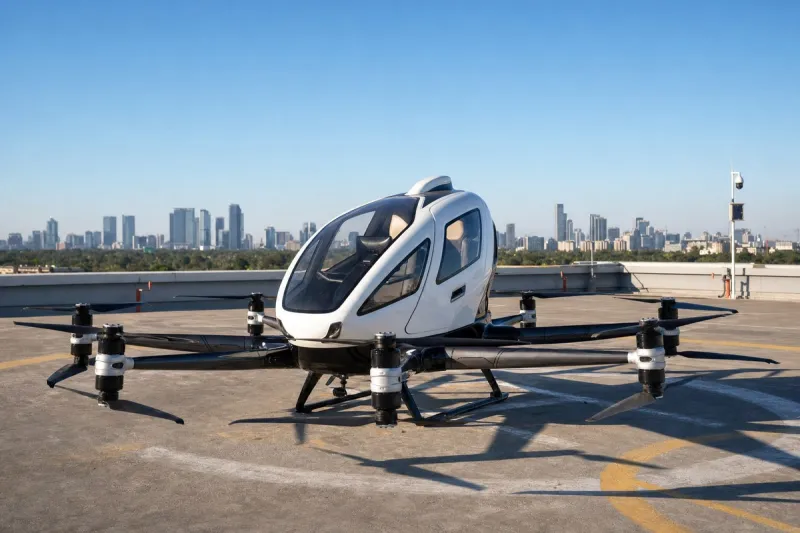
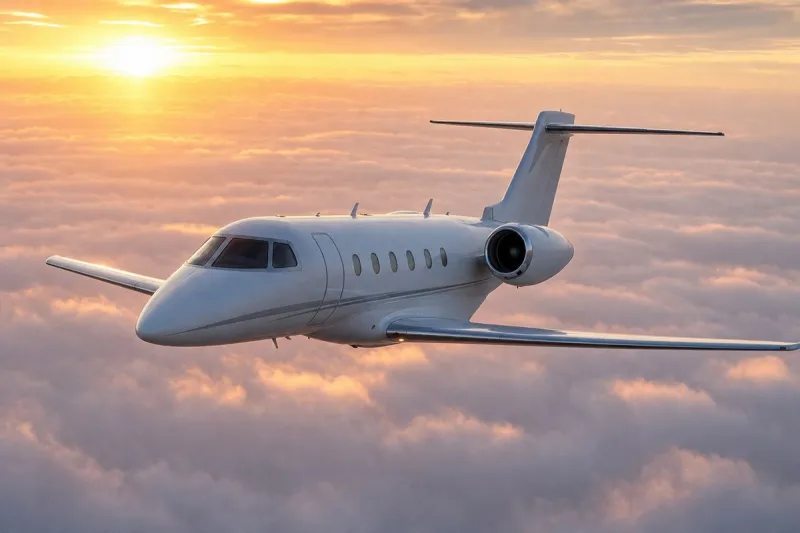
Archer Aviation, which LA28 has named the official air taxi provider for the 2028 Olympics, announced it will soon begin flying its Midnight electric aircraft over Los Angeles, initially without passengers. The flights will be anchored at Hawthorne Airport and are meant to showcase the aircraft and let the company learn about the region's airspace. Archer is working with the Federal Aviation Administration (FAA) to determine where and under what conditions the aircraft can fly. CEO Adam Goldstein said the company plans to carry non-paying passengers in 2027.
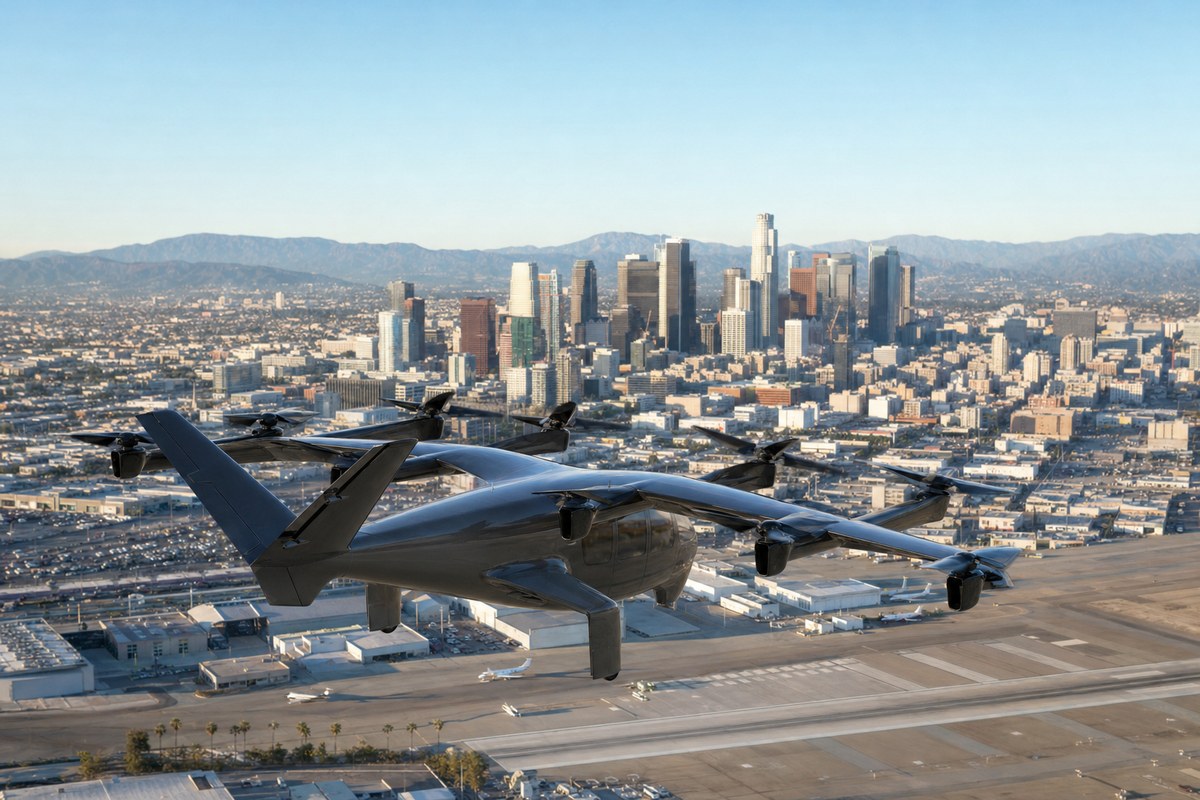
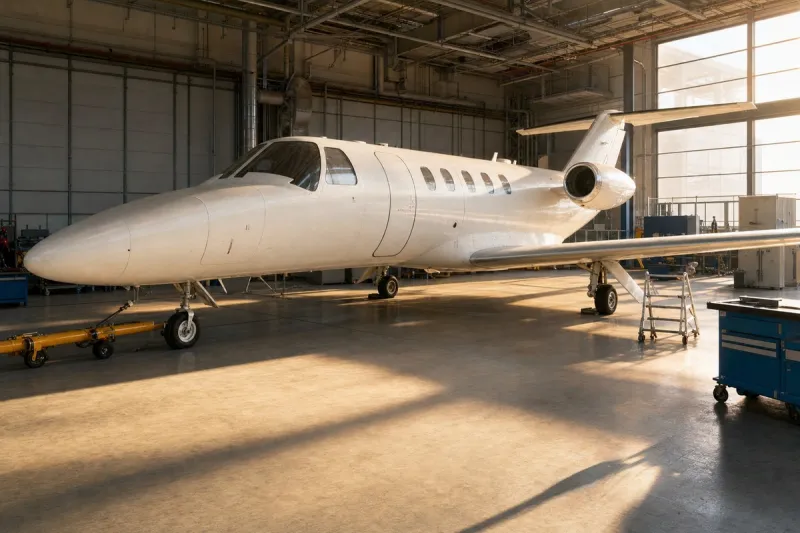
The aircraft will take off from a runway at Hawthorne Airport rather than vertically, so the flights will not demonstrate Midnight's vertical takeoff and landing configuration. Independent aerospace consultant Adrian Norris said the certificate used to start these flights is the kind used to demonstrate experimental aircraft to investors, press and potential customers, and he does not regard it as a major milestone for a company with nearly $1.4 billion in cash and cash equivalents. The main hurdle before commercial service is FAA type certification confirming that Midnight meets safety and regulatory standards, which UC Berkeley professor Susan Shaheen described as a rigorous, aircraft-specific process involving engineering analysis, testing and FAA findings of compliance.
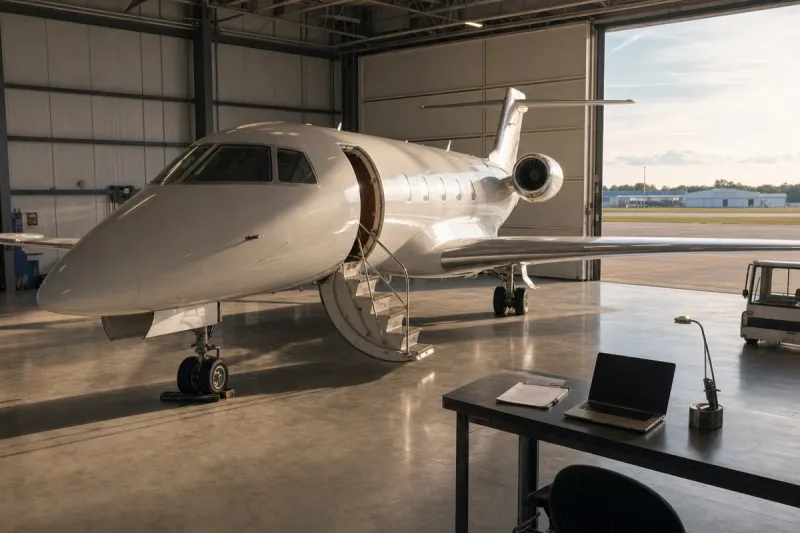
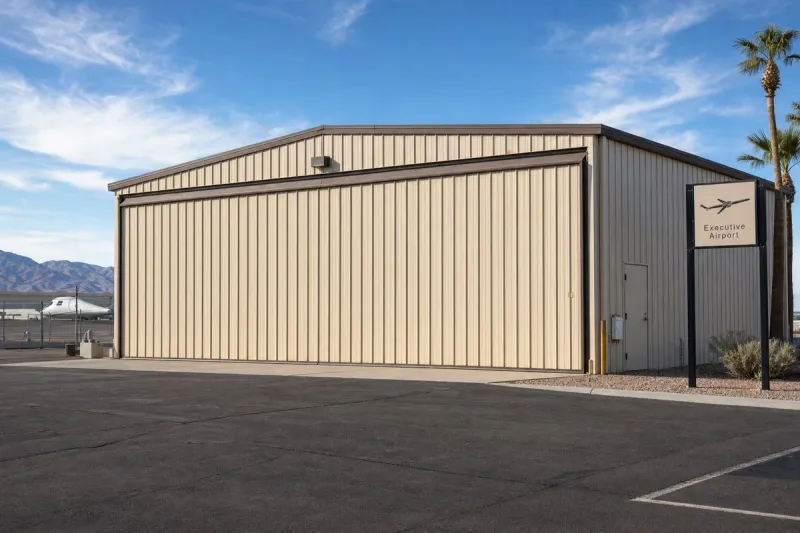
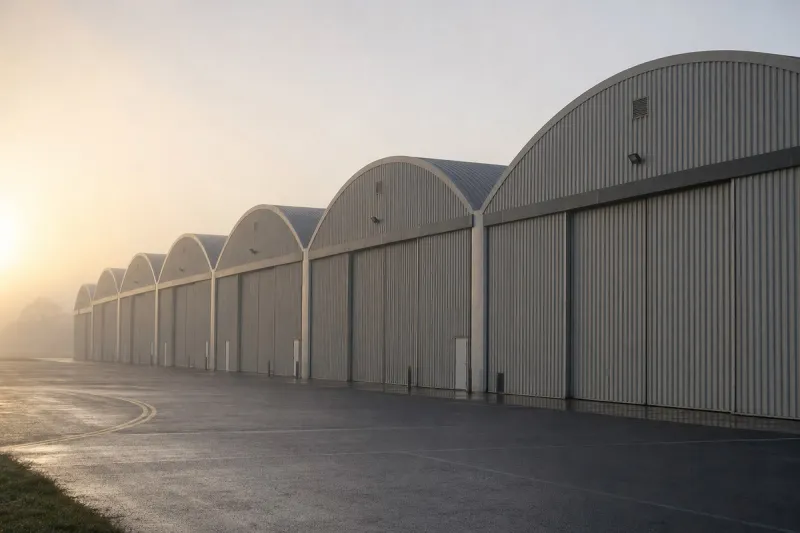
Archer acquired the master lease for Hawthorne Airport last year and has begun construction on 11 new hangars there. In August, it announced plans to build its first vertiport in downtown Los Angeles at L.A. Live, which AEG owns and operates. Aviation experts said that even with certification, the Games are more likely to offer rides to a select few than a widespread air taxi service, and Johns Hopkins professor Jaafar El-Awady estimated a one-way ride could cost $150 to $500 or more per person. Experts also noted the aircraft are expected to be much quieter than helicopters, while community advocates cited potential concerns over noise, vertiport locations and visual impact.