FAA Rule Barring Takeoff With Frost Applies Only to Large Aircraft, but Guidance Still Demands a Clean Airframe
Why It MattersWinter operations on smaller turboprops and light jets rest on pilot-in-command judgment and flight-manual limits rather than a dedicated icing rule, shifting the safety burden from regulation to operator discipline and training.
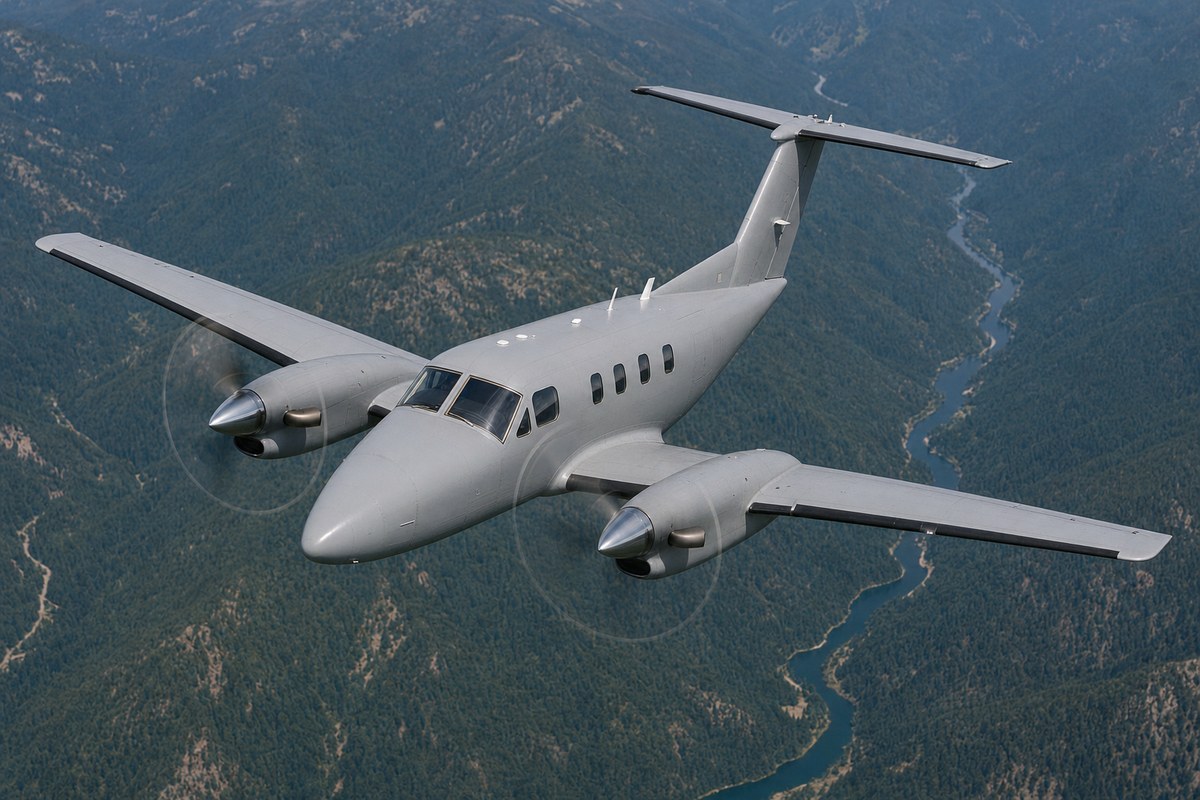
14 CFR 91.527 bars takeoff with frost, ice or snow adhering to a propeller, windshield, wing, stabilizing or control surface, powerplant installation or flight instrument system. The only exception is frost under the wing in the fuel tank area, if authorized by the FAA. Under 14 CFR 91.501(a), however, Subpart F covers only large airplanes (more than 12,500 lb maximum certificated takeoff weight), turbojet-powered multiengine airplanes and fractional ownership program aircraft. On that reading, 91.527 reaches a King Air 360, listed by Textron at a 15,000 lb maximum takeoff weight.
For aircraft outside Subpart F, FAA Advisory Circular 91-74B, paragraph 5-2, states there are no specific icing regulations. It points instead to 14 CFR 91.9, which bars operating without complying with the airplane flight manual limitations, markings and placards, and 14 CFR 91.7 makes the pilot in command responsible for deciding the airplane is in condition for safe flight. FAA Safety Alert for Operators 06002, dated March 29, 2006, addresses ground deicing for turbine aircraft in nonscheduled Part 135 and Part 91 operations.
On engine starts, the Airplane Flying Handbook links low battery voltage to reduced ability to turn the compressor and a higher chance of a hot start (exceeding maximum starting temperature limits) or a hung start (the engine accelerating slowly and stabilizing below self-sustaining speed). It says light-off temperatures can approach the maximum in 2 or 3 seconds, so pilots should be prepared to cut off fuel. AC 91-74B says airplanes not approved for flight in known icing are not tested for inadvertent icing encounters, and pilots must avoid icing and exit at once if they meet it. It recommends activating pneumatic boots at the first indication of icing and cycling them before the approach, and cautions that the autopilot can mask handling changes caused by ice.
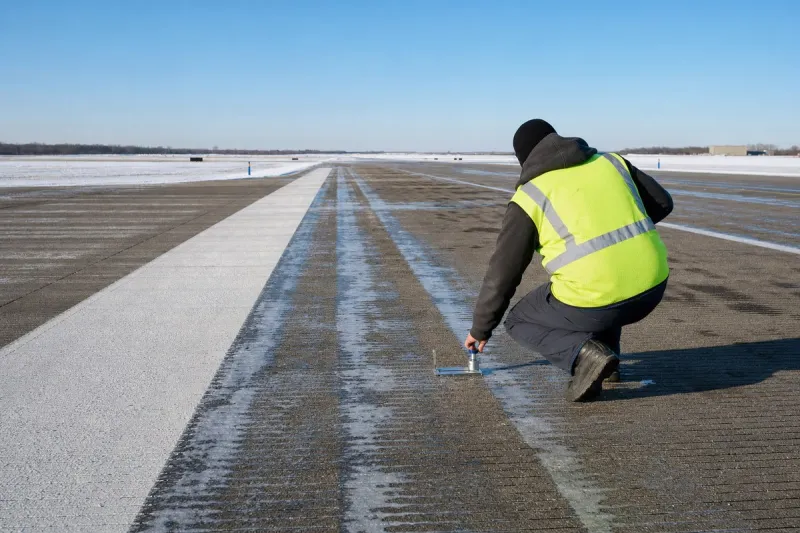
Airports report runway conditions through Field Condition NOTAMs using the Runway Condition Assessment Matrix, which yields a Runway Condition Code for each third of the runway. The landing distance planning procedures in AC 91-79B (2023) apply to Part 91K, 121 and 135 operators of large transport category airplanes and are recommended, not required, for Part 91.