UNIDIR Warns GPS and Radio Jamming and Spoofing Are Endangering Civilians, With Aviation Spoofing Up 500 Per Cent in 2024
Why It MattersGrowing navigation-signal interference in conflict regions raises operating risk for civil aviation, which must rely on backup instruments while regulation largely stops where military use of the spectrum begins.
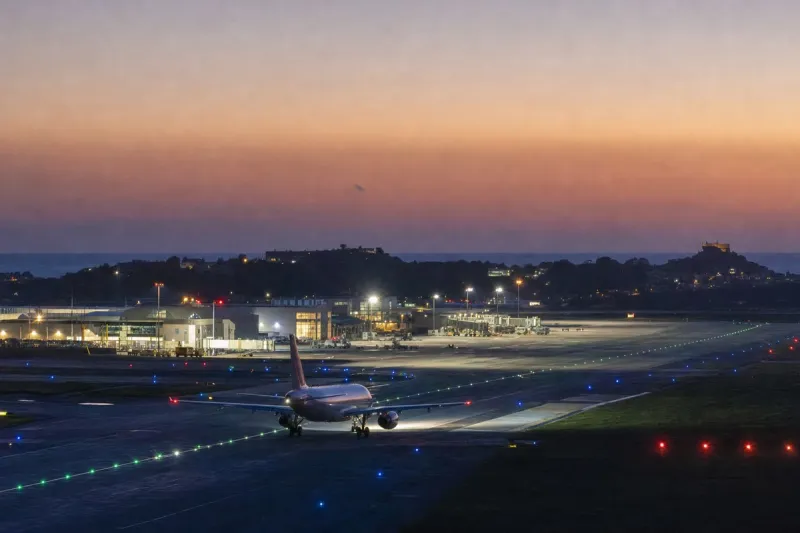
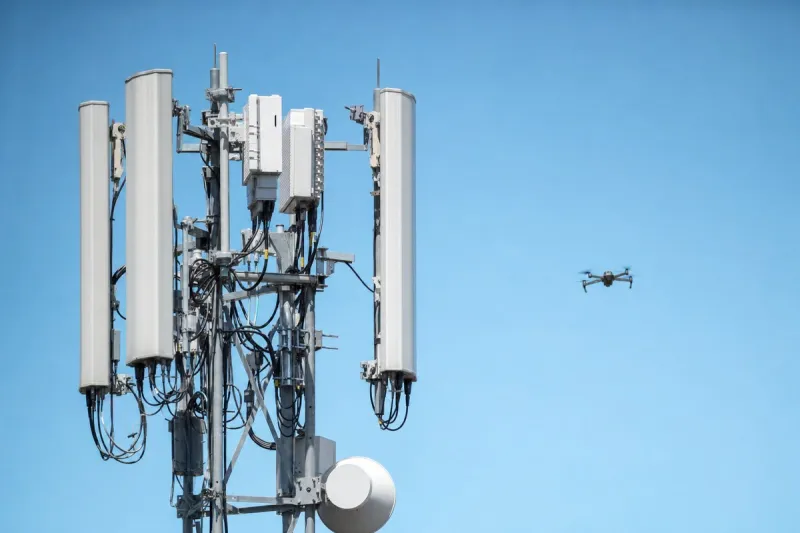
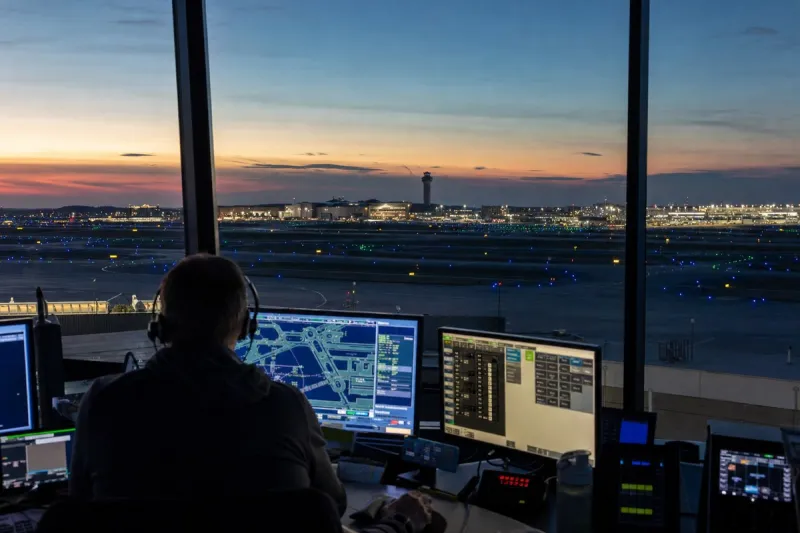
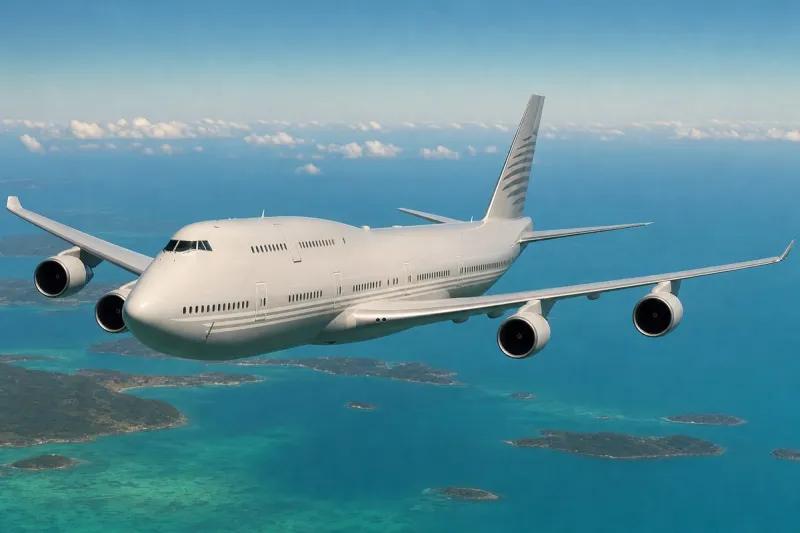
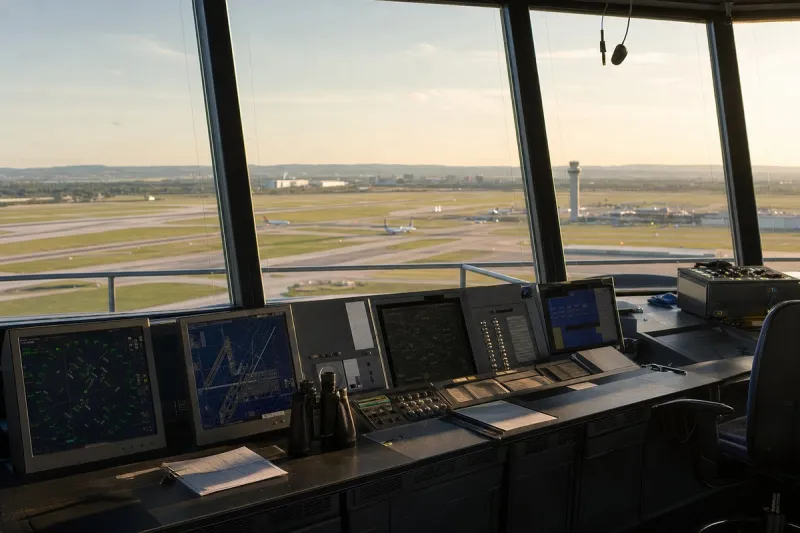
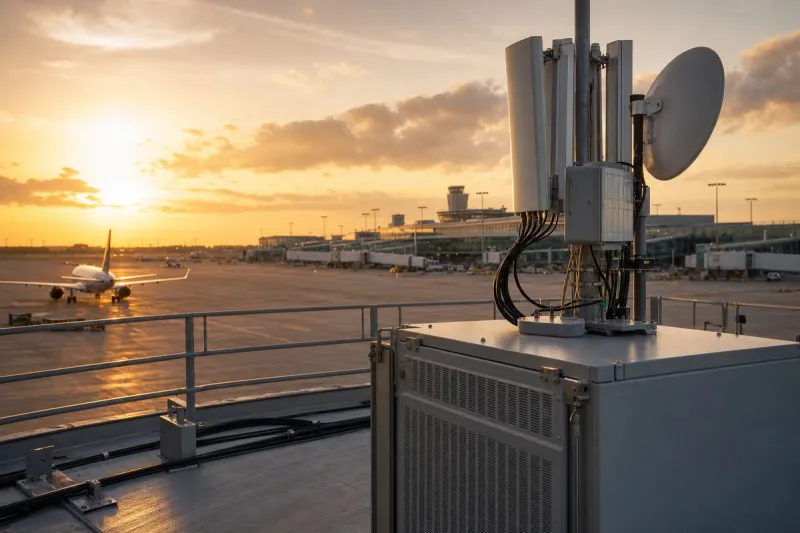
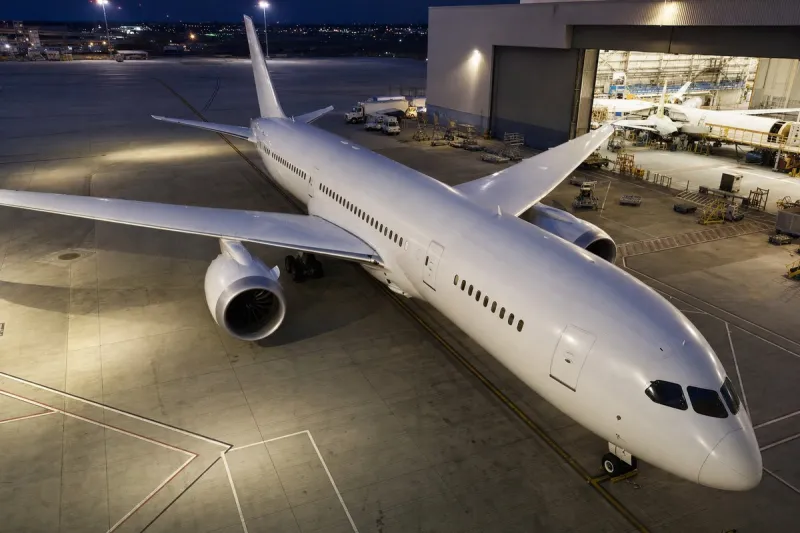
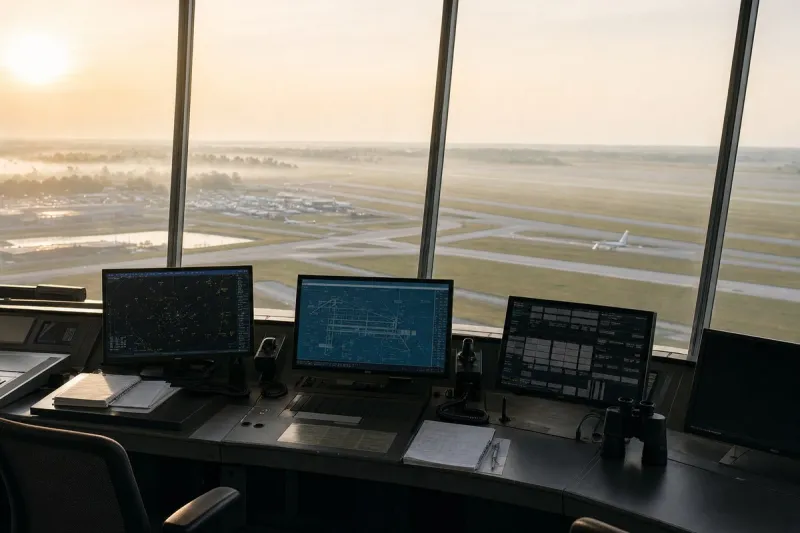
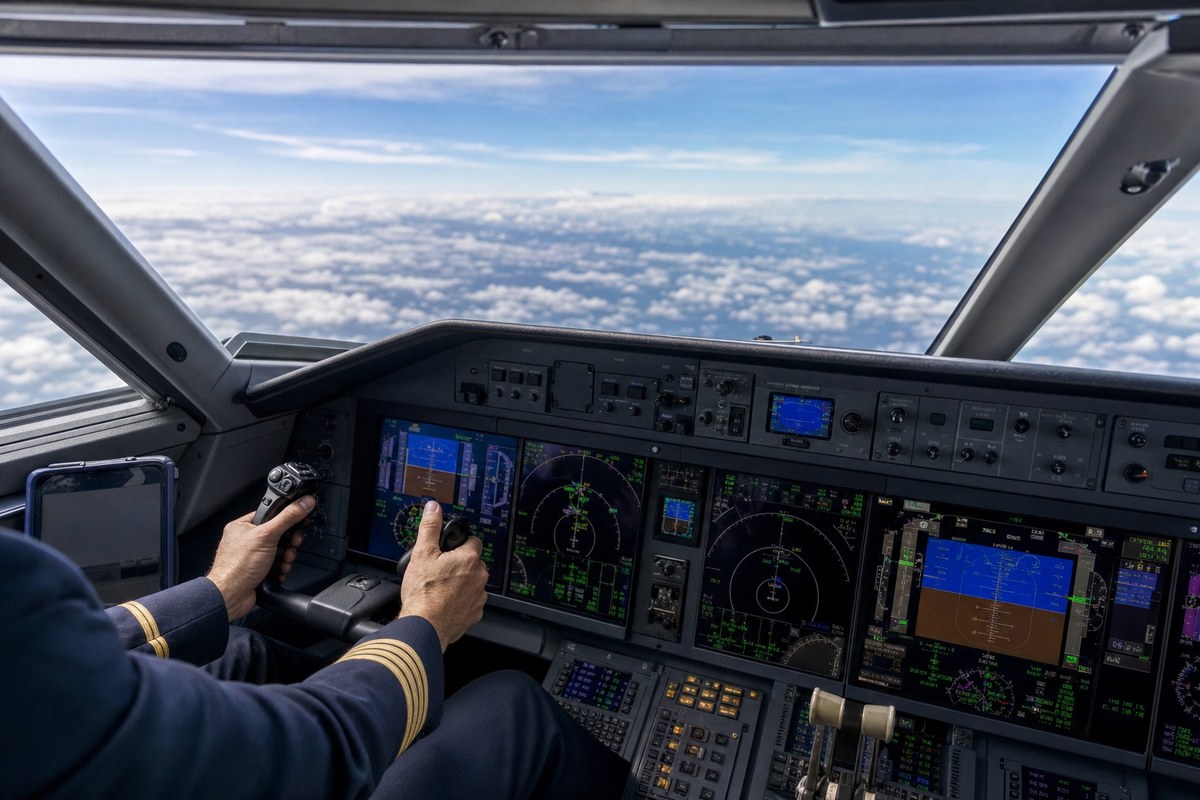
GPS, satellite navigation and radio signals that civilian journeys depend on are increasingly being blocked or faked, and civilians are bearing the consequences, according to Federico Mantellassi, a researcher in the Security and Technology Programme at the UN Institute for Disarmament Research (UNIDIR), speaking to UN News. The two main threats are jamming, which blocks signals, and spoofing, which feeds systems false ones. UNIDIR estimates suggest GPS spoofing in civil aviation rose by 500 per cent between January and August 2024, affecting hundreds of flights. In aviation, positioning systems can give the wrong location, forcing pilots to fall back on other instruments.
In early 2026, the crisis in the Middle East saw the highest concentration of maritime jamming on record, and media reports during the war sparked by US-Israeli attacks on Iran showed a rise in spoofing and jamming in the Gulf of Aden and the Strait of Hormuz, increasing the risk of collisions at sea. Mantellassi said the change since the Second World War is the exponential growth in the number of devices that emit and receive signals. Disruption can leave aid workers, peacekeepers and emergency services unable to rely on navigation and communications, and can affect mobile and internet services, rescue efforts, public transport and financial systems.
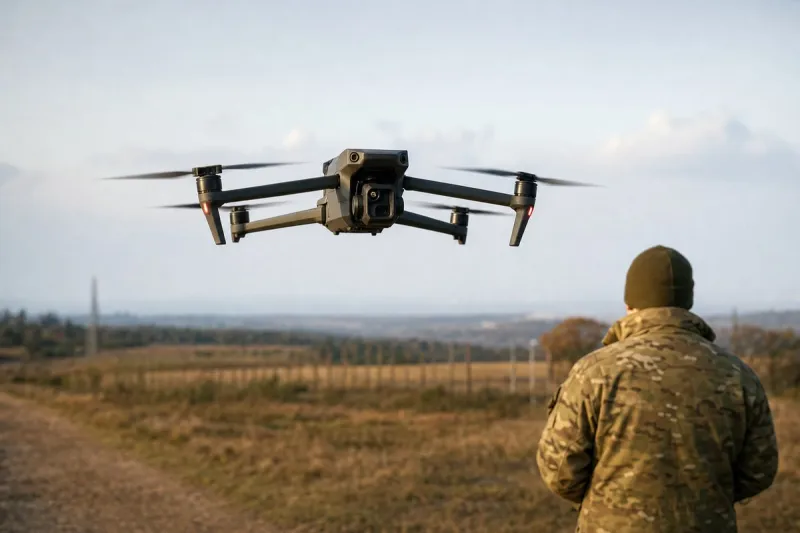
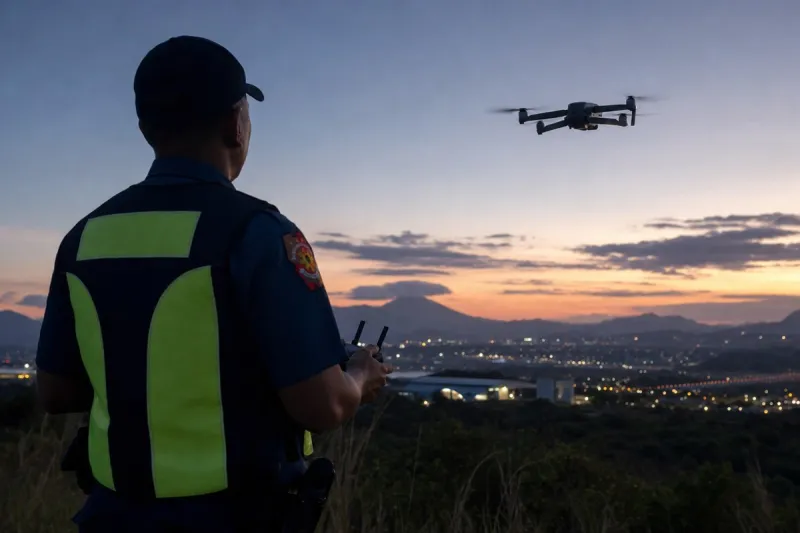
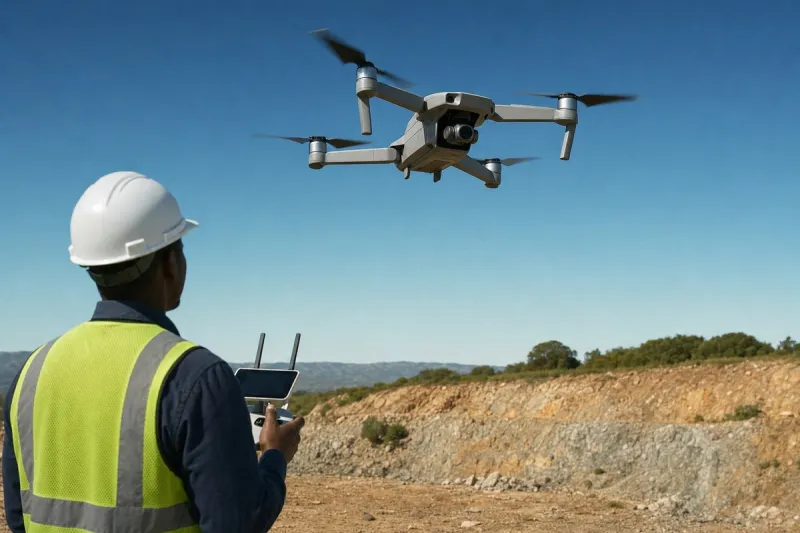
Mantellassi said militaries are adapting to jamming and spoofing, fuelling a cycle of measures and countermeasures, and that AI is being added to weapons systems so a drone can navigate, select and sometimes engage targets when radio links are denied. The International Telecommunication Union (ITU) allocates radio frequencies, manages interference between countries and sets binding international rules, but ITU rules exclude military uses of radio frequencies. International humanitarian law still applies to armed conflict. Mantellassi spoke after moderating a session at UNIDIR's 2026 Innovations Dialogue in Geneva, and the UN Security Council is due to discuss threats from emerging technologies at a high-level meeting later this month.