US Air Traffic Control Needs $50 Billion in Upgrades After Nov. 13 Ground Stop, Transportation Secretary Says
Why It MattersA nationwide ground stop tied to one faulty installation shows how much of the airspace system rests on aging, tightly coupled equipment, a dependency that business aviation shares with every airline operator.
U.S. Transportation Secretary Sean Duffy said on Nov. 17 that the nation's air traffic control system needs $50 billion in upgrades, covering new towers and runways, modern computers and radar systems. That is on top of the $12.5 billion Congress approved last summer. Duffy described the system as "an old rickety network."
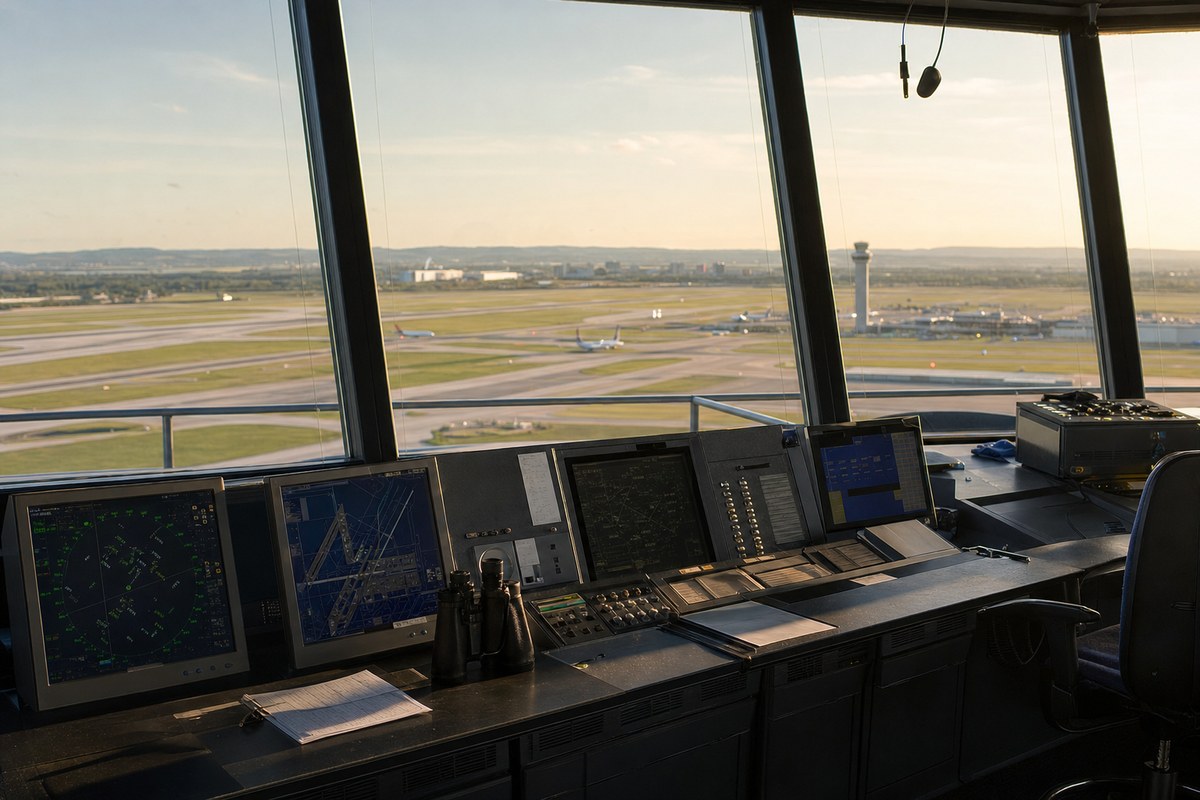
His comments follow a nationwide ground stop on Nov. 13 that disrupted more than 18,000 flights and 1 million passengers. Federal officials say they ordered the stop after a newly installed computer device in El Dorado, Arkansas, began spamming the network with information requests. Sixty-eight earlier installations had gone smoothly, and officials are investigating what went wrong. The FAA was expected to provide new details of the cause on Friday. President Donald Trump blamed the stoppage on "very, very old equipment that had a heart attack."
A 2024 Government Accountability Office report found that 75% of the FAA's 138 air traffic control systems were "unsustainable or potentially unsustainable" because replacement parts are no longer made. The FAA said delays caused by its own equipment last year were 300% higher than the 2010-2024 average. The $12.5 billion effort, called the "Brand New Air Traffic Control System," involves 52 vendors working simultaneously. A GAO report issued Sept. 14 warned that poorly coordinated repair and replacement work could cause more temporary outages than necessary.
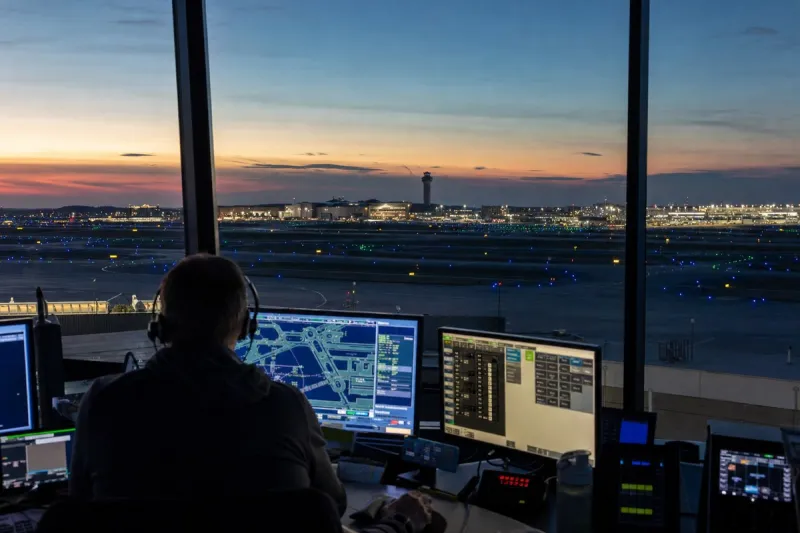
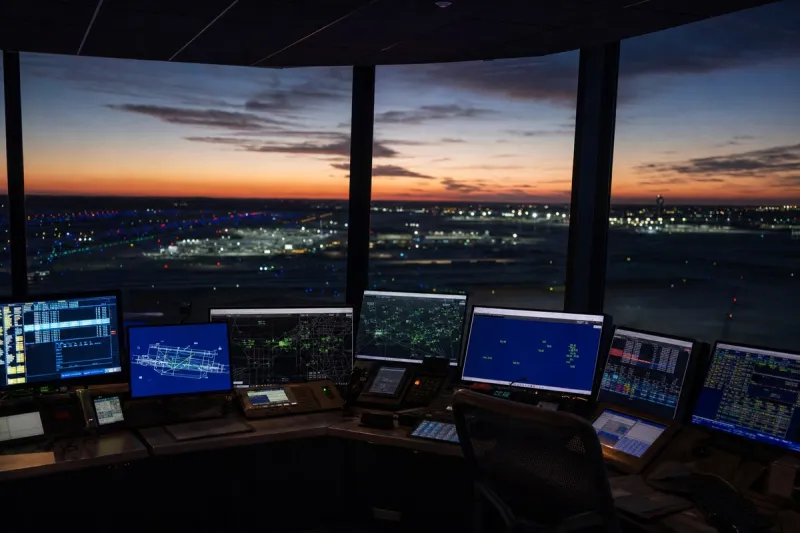
Some controller computers run on Windows 95, which Microsoft stopped supporting in 2003. In all but 25 of the 527 towers nationwide, controllers still use 1970s-era paper flight slips. The FAA says 70% of copper wiring has been upgraded. Duffy said the Biden administration completed only 19% of that work in four years; former Transportation Secretary Pete Buttigieg noted the replacements began during his tenure and questioned why the current work triggered the communications breakdown. Sheldon H. Jacobson, a University of Illinois computer science professor, said that although performance was not broken, "the infrastructure was broken."