FCC adopts final rules opening 450 MHz band for drone links, allowing drone-detection radar at 24.45–24.65 GHz and updating 800 MHz in-flight broadband rules
Why It MattersNationwide licensing for ground-to-aircraft data links removes a regulatory barrier for drone and advanced air mobility operators, while radar-based drone detection near airports adds a new layer of airspace security infrastructure.
The Federal Communications Commission voted on November 19, 2026, to adopt a package of final rules covering three technologies: in-flight broadband, drone communications and drone detection.
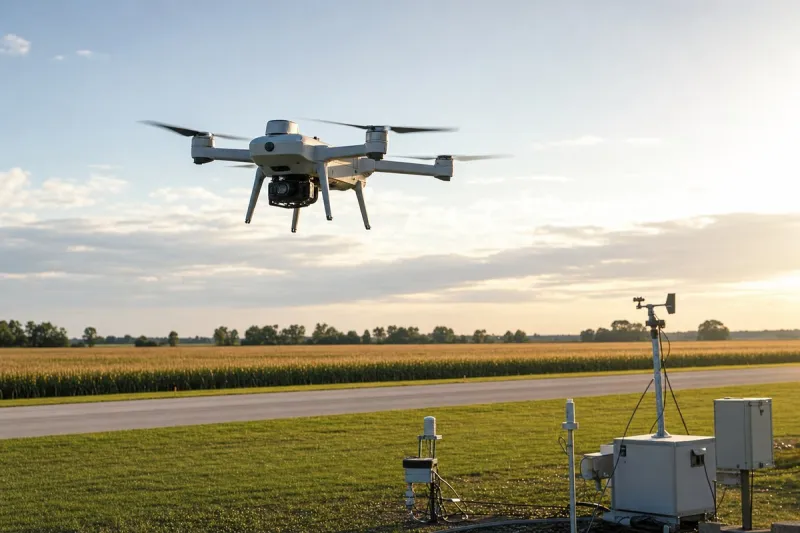
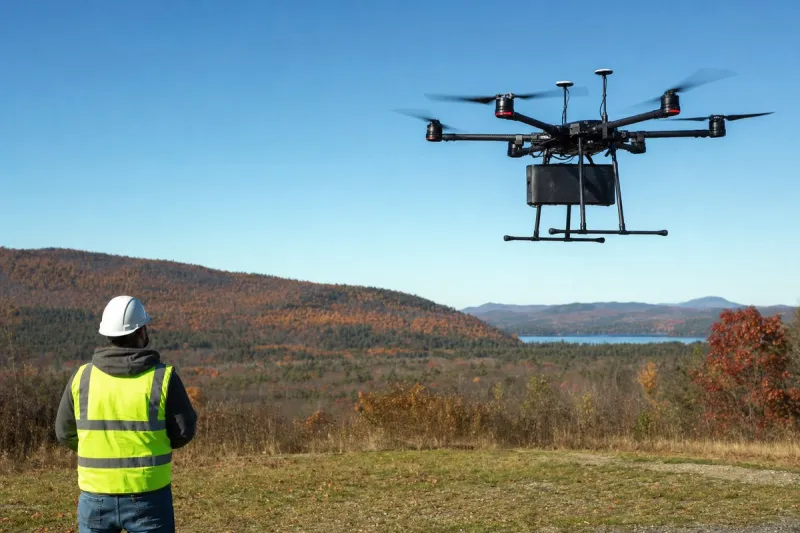
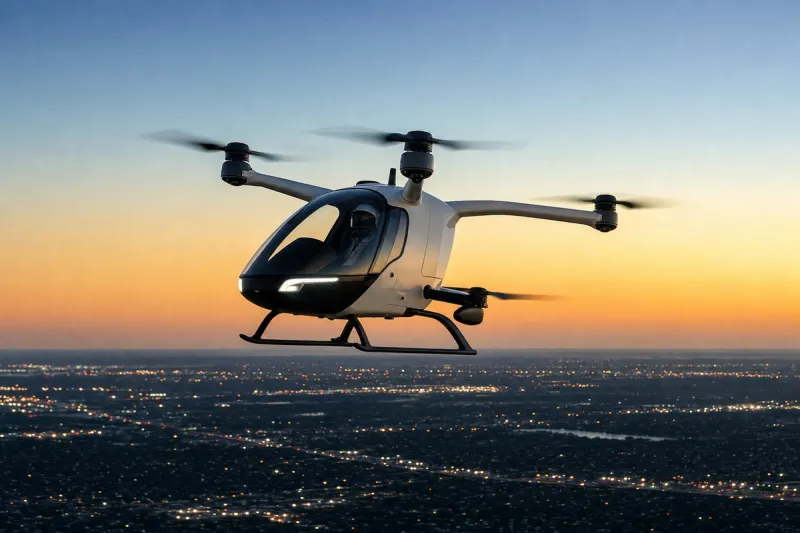
The rules open the 450 MHz band to safety-related data links between the ground and both crewed and uncrewed aircraft. They replace outdated, site-by-site rules with a more flexible nationwide licensing system intended to support drones and advanced air mobility. The change modernizes legacy general aviation air-ground service rules that had limited service in this band to voice communications for general aviation aircraft at high altitudes. Those rules prohibited data communications and effectively prohibited wide-area, low-altitude service to unmanned aircraft systems.
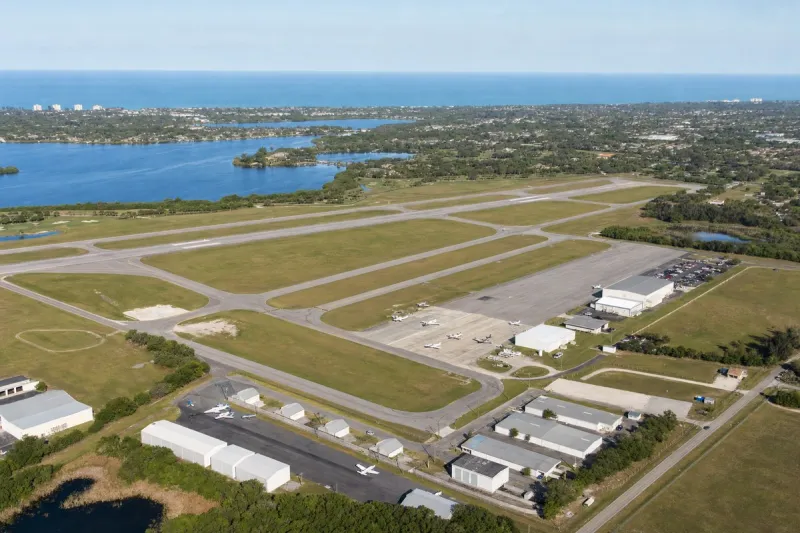
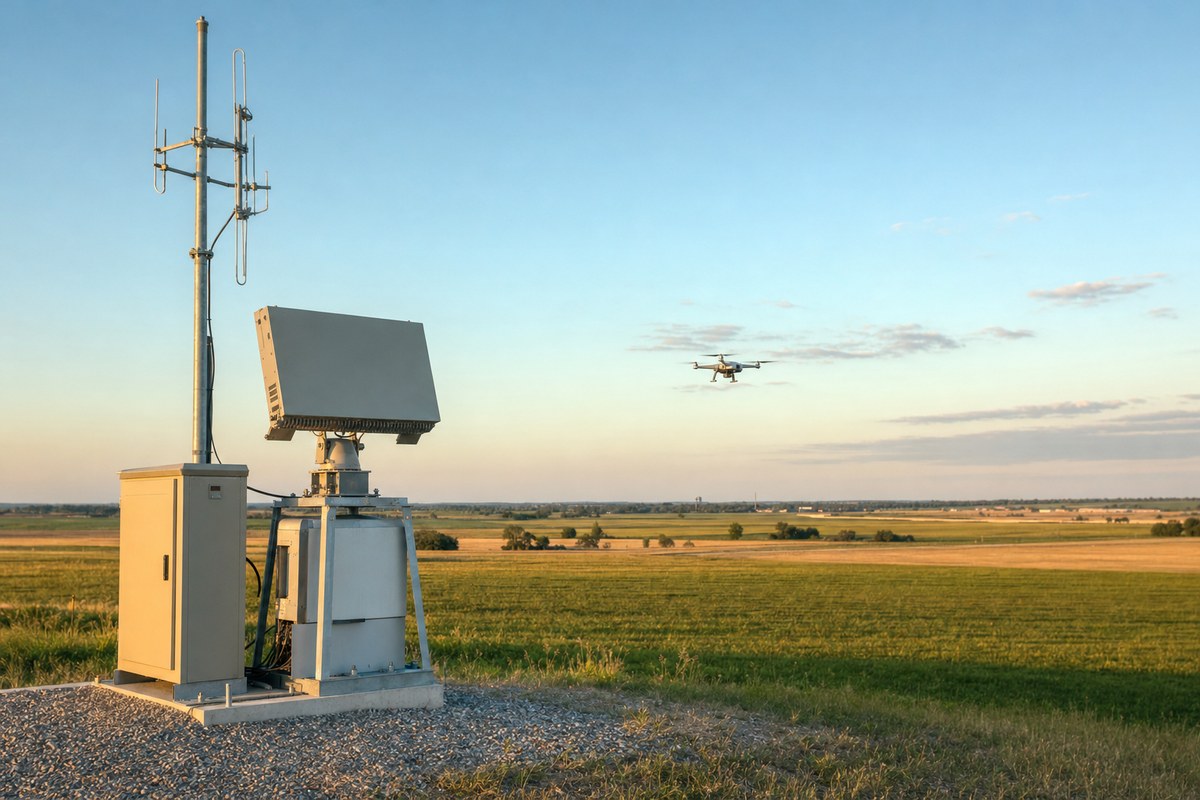
The FCC will also allow ground-based radar systems to use the 24.45–24.65 GHz band to detect and track unauthorized or dangerous drones near locations such as airports, borders, prisons, stadiums and critical infrastructure. In addition, it updated the rules for the 800 MHz air-ground band so providers can deliver modern broadband services more efficiently to commercial and other aircraft, with the aim of improving the in-flight connectivity experience for consumers.