Elysian Aircraft Closes €12M Pre-Series A Round and Joins Dutch Military Unmanned Aircraft Program
Why It MattersElectric-aircraft developers are increasingly pairing civil airliner-scale programs with dual-use defence work, drawing on military budgets and a growing investor pool to carry long-horizon electrification technology.
On November 19, 2026, Dutch electric aircraft developer Elysian Aircraft announced that it had closed a €12 million pre-Series A funding round. The company will use the funds to further develop aerospace electrification technologies. The round was backed by institutional investors including FideFlux, SecFund and ROM InWest, as well as undisclosed individual investors and family offices. Elysian said it is looking to raise further funds through a Series A in 2027.
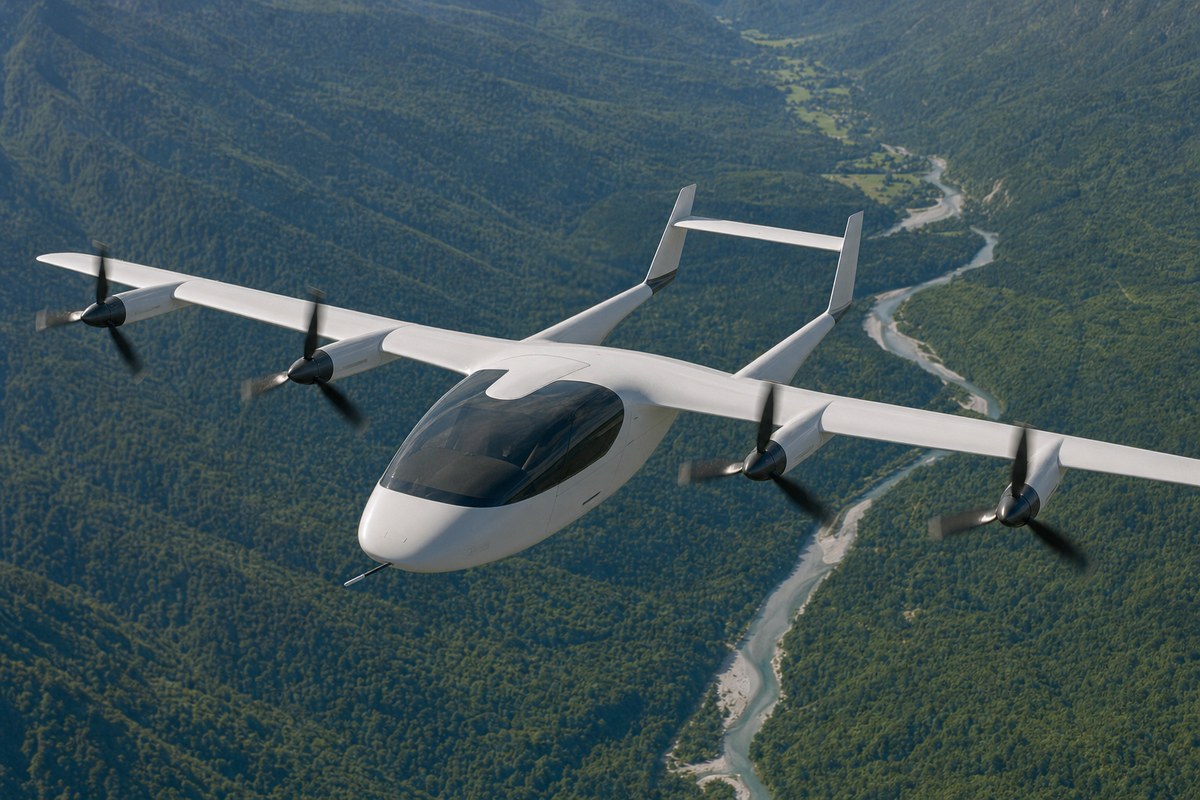
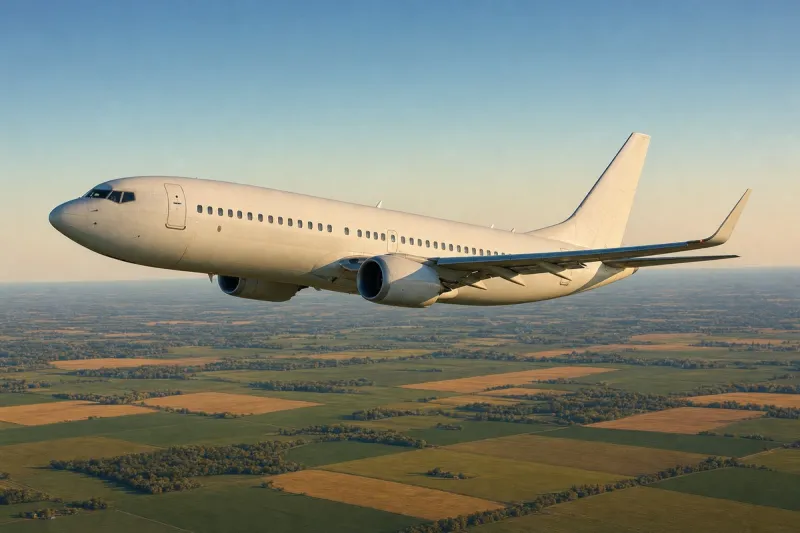
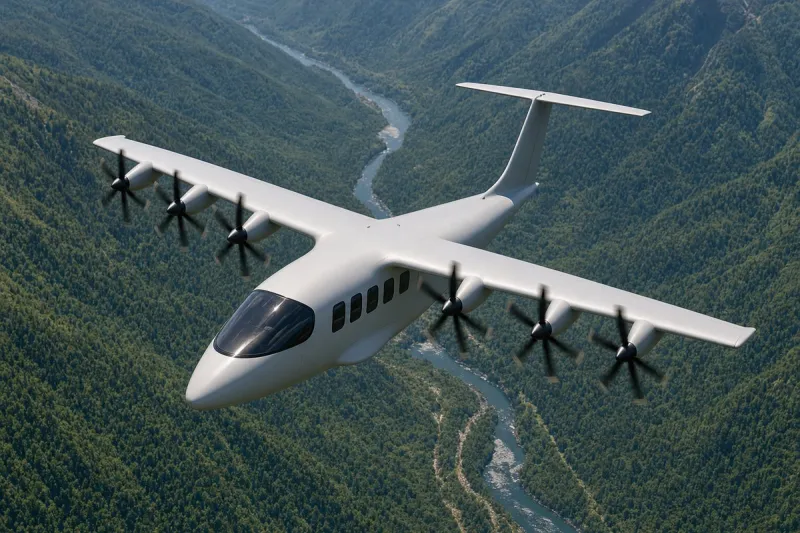
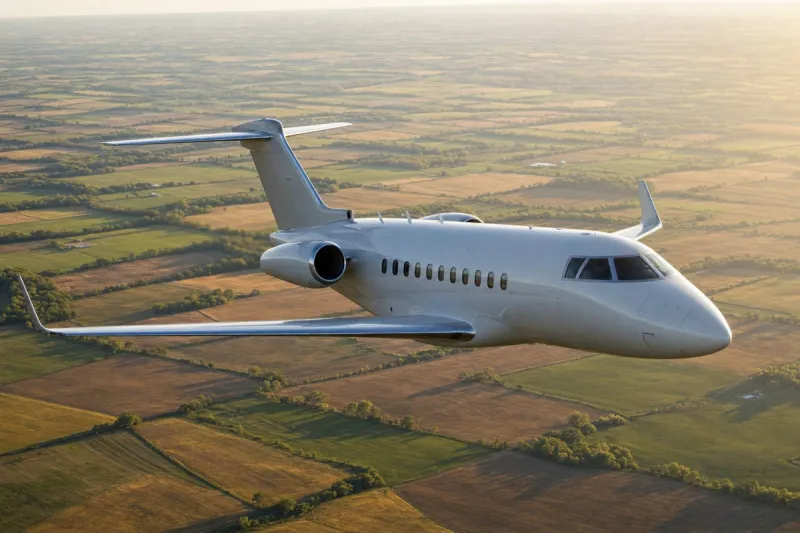
Until now, the company's focus has been the E9X, a battery-electric aircraft designed to carry around 90 passengers over distances of up to 1,000 km. Unlike many electric aircraft startups that have targeted smaller commuter or regional designs, Elysian is developing the E9X to serve trunk routes currently flown by larger aircraft such as the A320 and B737. Battery-electric aircraft of this size and range remain technically challenging; Elysian has published several white papers with scientific data that it says demonstrate the feasibility of its approach.
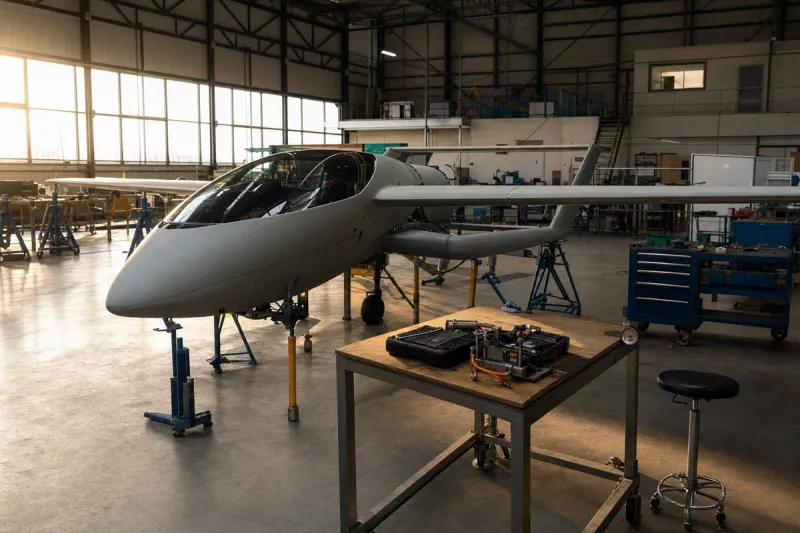
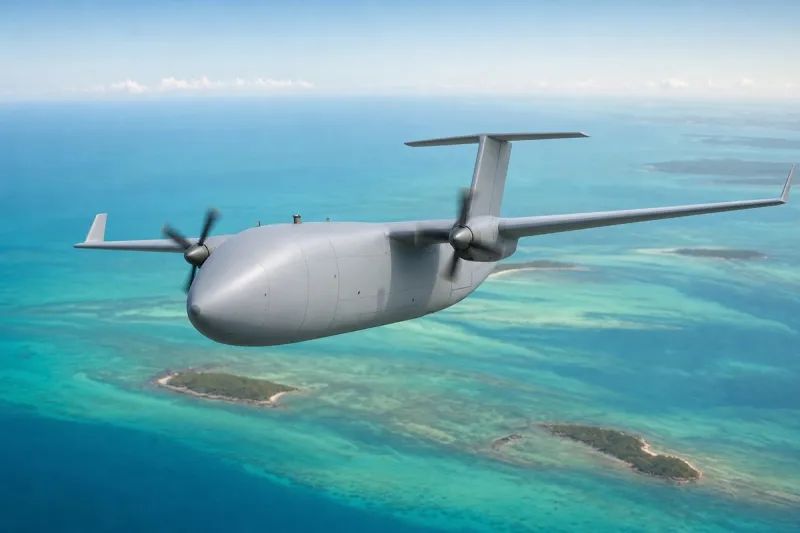
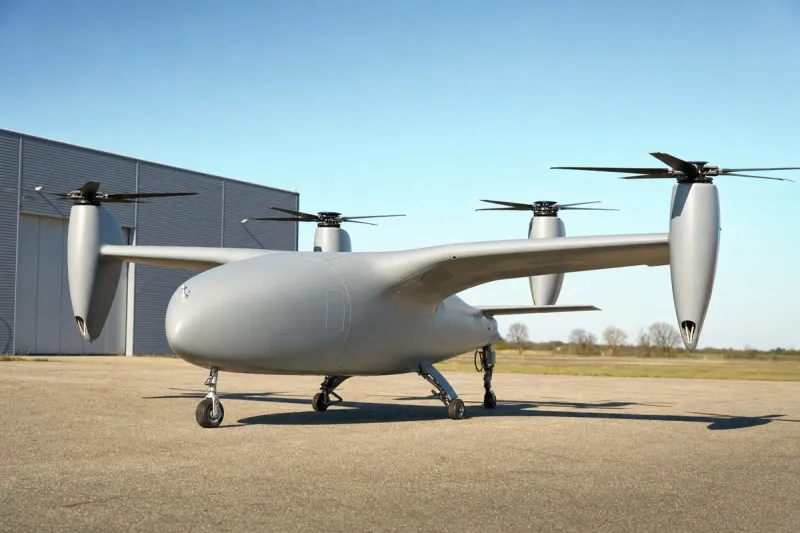
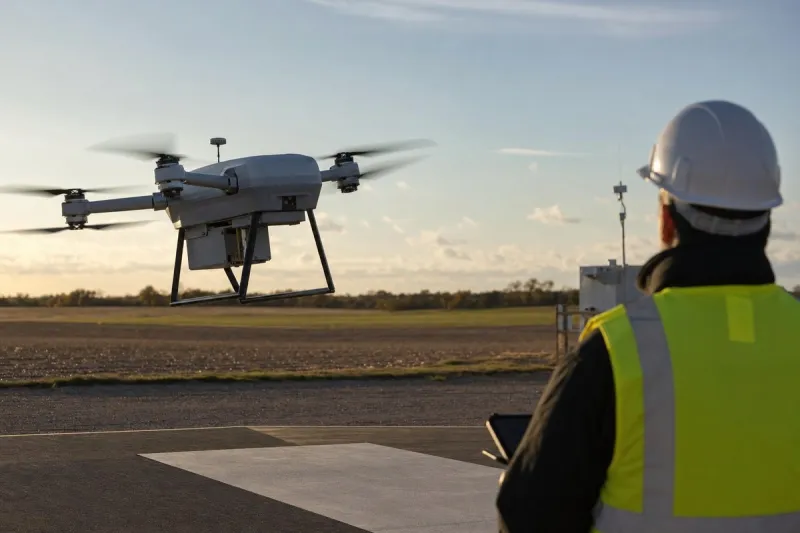
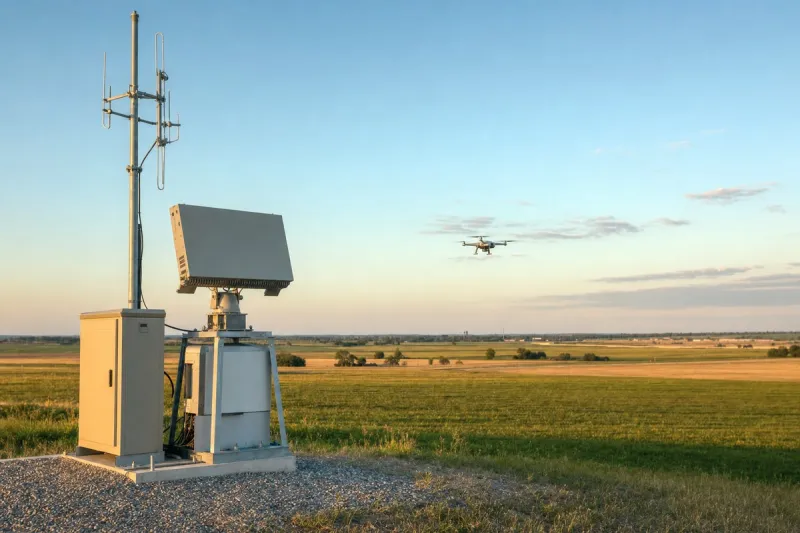
In its latest press release, the company described itself as "a company developing aviation electrification technologies" and highlighted the dual-use nature of those technologies. On November 6, 2026, Elysian announced that, together with the NLR (Royal Netherlands Aerospace Centre), it will lead a project to develop unmanned air systems for the Royal Netherlands Air and Space Force. The consortium also includes TNO, Technical University Delft, the Netherlands Defence Academy and Fokker Service. Co-Founder and CTO Rob Wolleswinkel said the company is proud to contribute its expertise to a project of strategic importance to the Netherlands. The Dutch Ministry of Defense has stated that the program represents a structural change in its approach to unmanned aerial systems, based on lessons learned from the war in Ukraine.