Strait of Hormuz Closure Pushes Airlines and Governments to Reassess SAF as Fuel-Security Tool
Why It MattersThe closure shifts SAF from a sustainability add-on toward a fuel-security and financing consideration, though its price premium keeps airlines treating it as a medium- to long-term supply strategy.
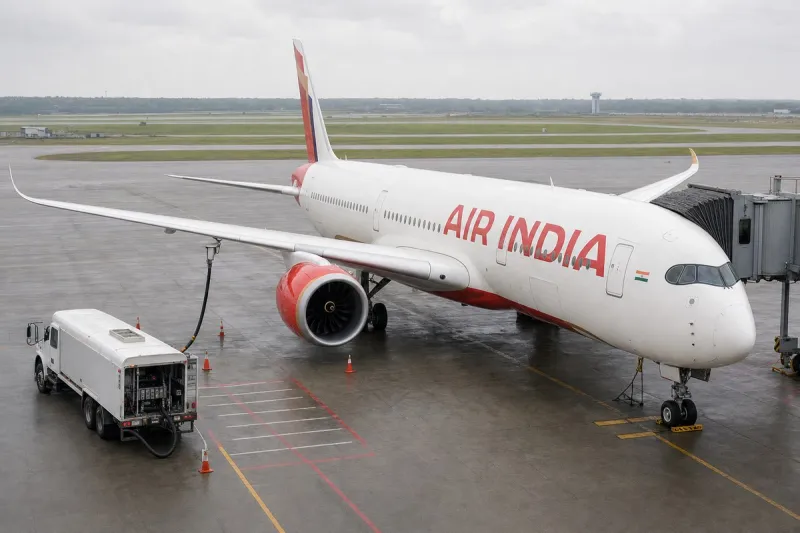
Law firm Watson Farley & Williams says one of the key lessons for global aviation from geopolitics in 2026 is the high dependency on jet fuel refined in the Middle East and shipped through the Straits of Hormuz. The closure of the Straits had an almost immediate impact on jet fuel supply to airlines and airports in the UK, the EU and across the Asia-Pacific, and the sudden cut in supply caused equally sudden and sharp increases in fuel cost.
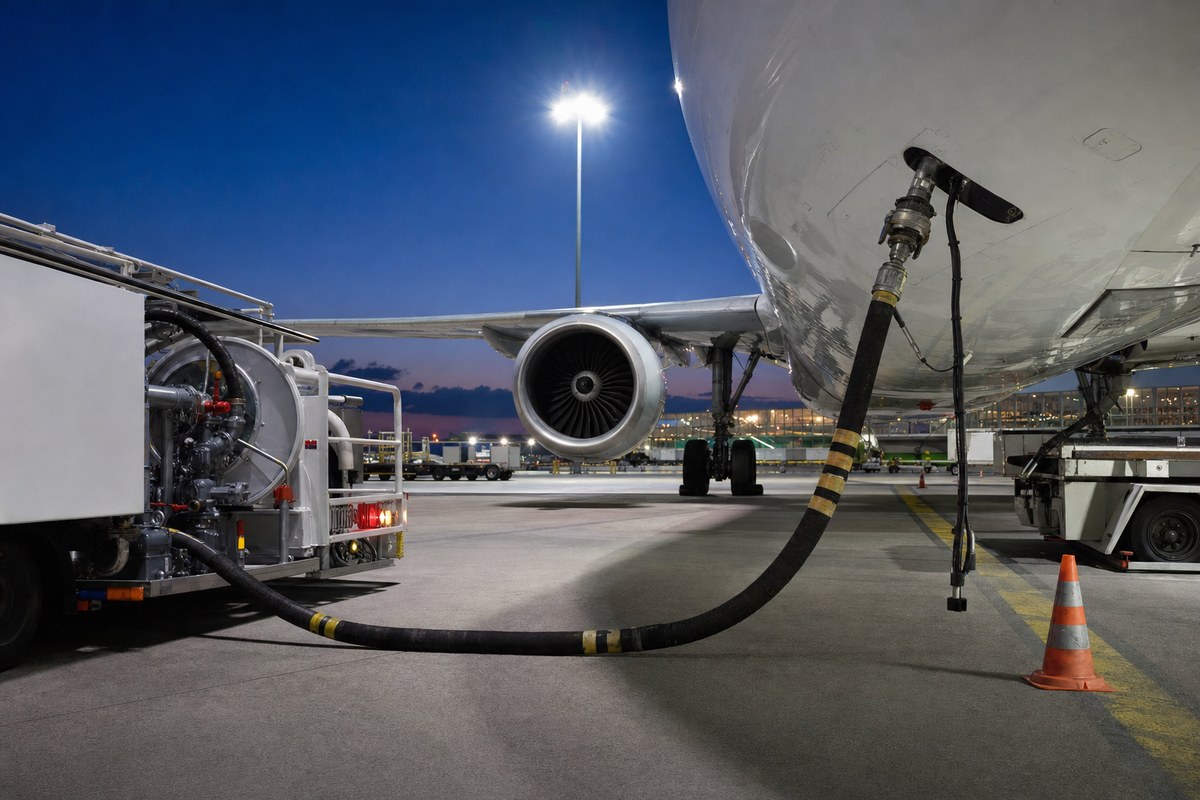
Jet fuel accounts for 20 to 40% of an airline's operating costs, so a sustained price surge directly affects profitability and financial viability. Airlines that had hedged their fuel supplies were less directly affected, while those that did not hedge, or hedged only a small share, were hit harder; they have responded by ceasing operations, entering bankruptcy protection, cutting staff and reducing routes and frequencies. Many existing hedging contracts expired in Q3 or will expire by the end of 2026. The current economic environment and competition limit airlines' ability to pass higher fuel costs to customers, and the firm advises airlines, lessors and their financiers to factor sustained high jet fuel prices into business plans and credit risk assessments, with diversity of fuel supply a critical factor in future plans.
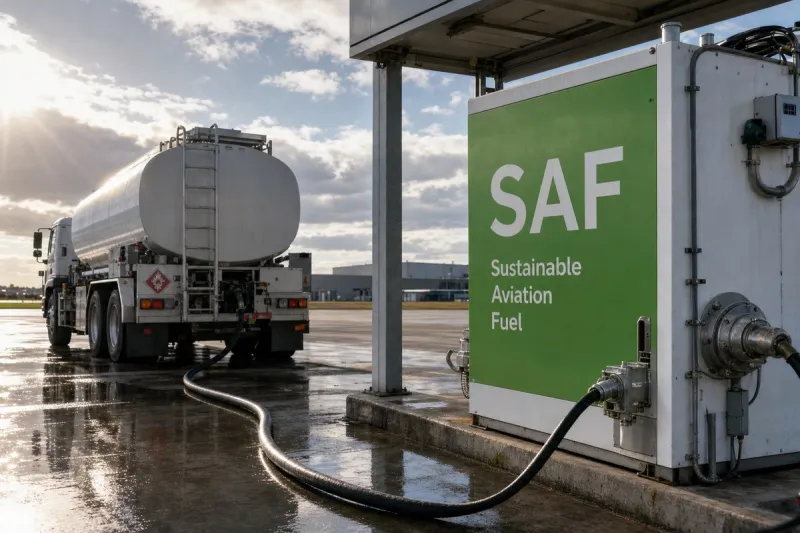
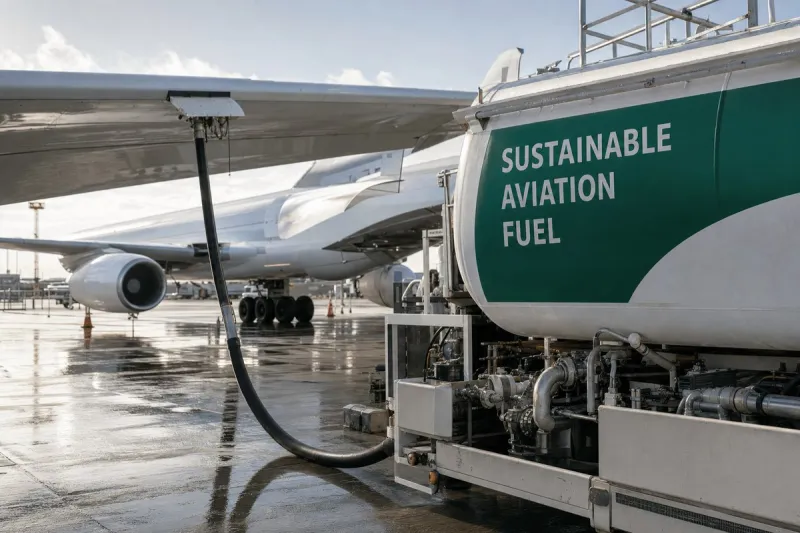
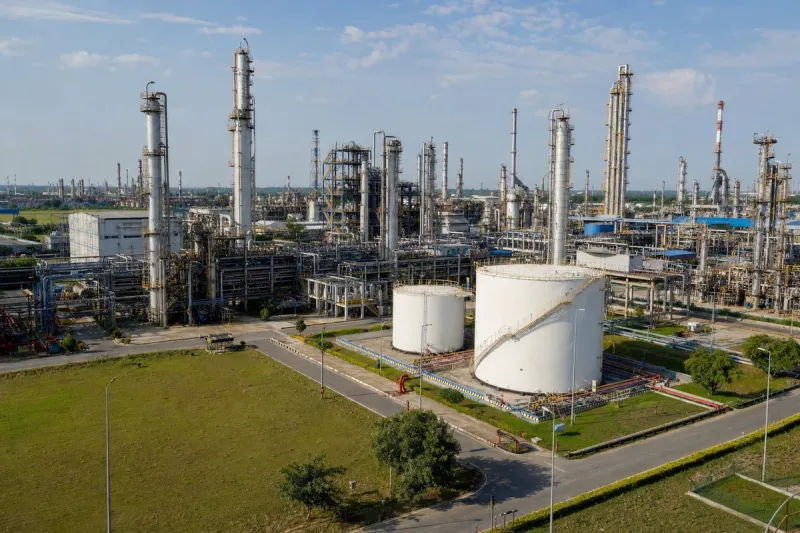
Until the 2026 supply and price shocks, sustainable aviation fuel (SAF) was viewed mainly as part of sustainability plans and targets and had become a key factor in 'green' financing structures in aviation. Governments, airports, airlines and financiers are now reassessing SAF as a way to diversify jet fuel supply and reduce dependence on fuel that must transit the Straits of Hormuz. Governments, investors and some airlines are investing in SAF and eSAF refineries in a number of countries, in many cases the first investment in, or a return to, domestic jet fuel refining.
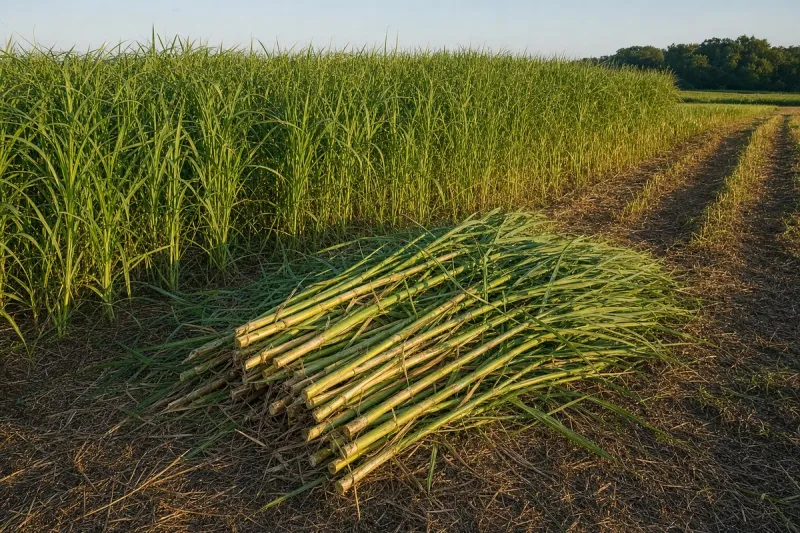
Price remains a significant headwind: SAF costs stay well above conventional jet fuel because of feedstock, other inputs and refining costs, and material cost improvements are unlikely until SAF refining capacity grows significantly. Until SAF can be produced in quantities that allow it to sell below the price of jet fuel, airlines will continue to treat it as part of a medium- to long-term fuel supply strategy. Government incentives to reduce SAF refining input costs could play a critical role in accelerating investment and supply.