Boeing 737 MAX 8 Is Certified to Weigh 500 Pounds More at the Gate Than at Takeoff, Allowing Airlines to Load Extra Taxi Fuel
Why It MattersThin ground-versus-takeoff weight margins like Boeing's constrain how much temporary fuel dispatchers can carry on narrowbody types, while Airbus's larger cushion on the A320neo family gives operators more flexibility.
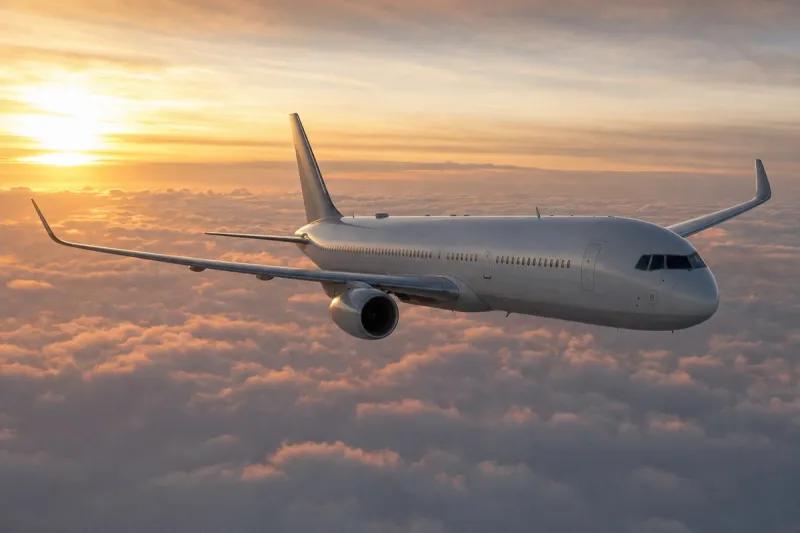
A Boeing 737 MAX 8 has a Maximum Taxi Weight of 182,700 pounds (82,871 kilograms) and a Maximum Takeoff Weight of 182,200 pounds (82,644 kilograms), a difference of 500 pounds (227 kilograms). Airlines use that margin to load temporary taxi fuel at the gate on top of a full cabin, with the surplus burned off before takeoff.
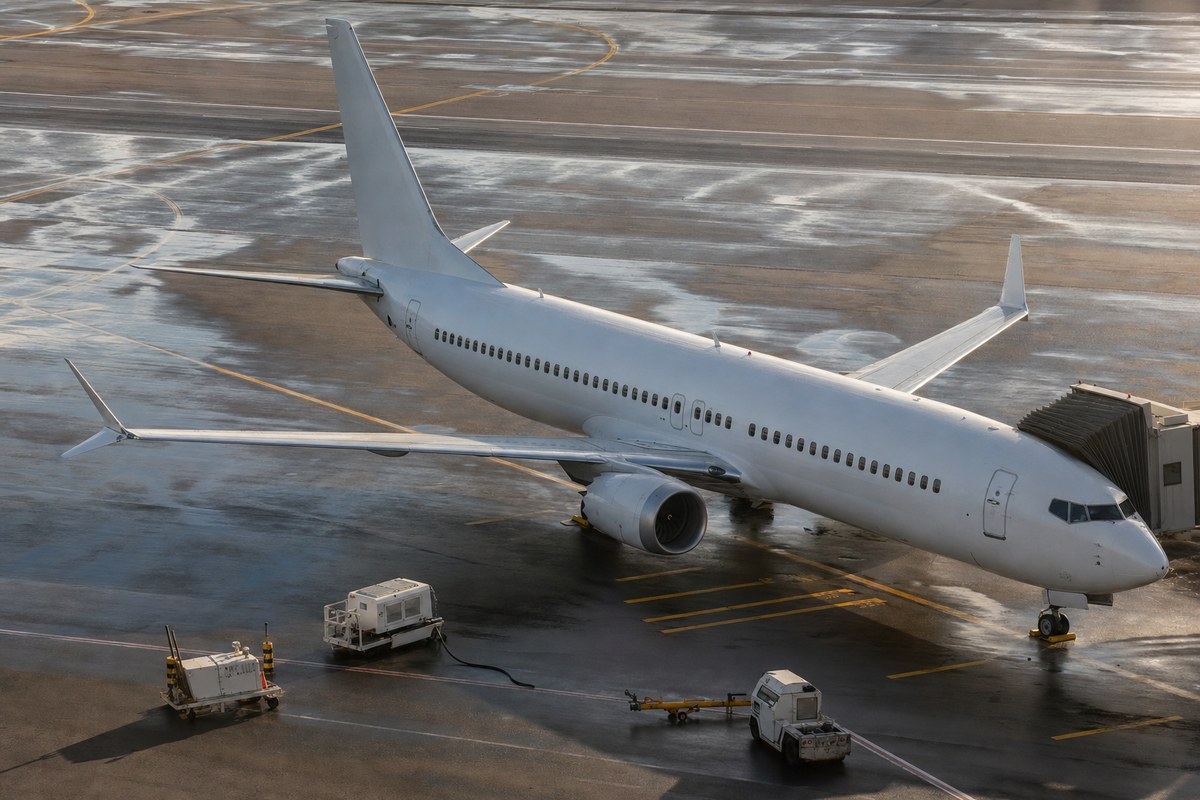
The two limits differ because loads on the airframe differ on the ground and in flight. At taxi speeds of around 15 knots, vertical loads rarely exceed 1.2 times normal gravity and the landing gear carries the weight, so a higher ground limit is certified. At takeoff, the aircraft must be able to stop safely after a rejected takeoff and climb away with one engine inoperative, which sets the lower limit. Hot weather, high-altitude airports and wet or icy runways further restrict the weight a jet can lift off with, so crews cannot exceed the takeoff limit by even a single pound.
The 737 MAX 8 has an operating empty weight of about 99,360 pounds and reaches its zero-fuel limit of 145,400 pounds with 172 passengers, baggage and freight. Dispatchers load the aircraft to its legal takeoff limit and add 500 pounds of taxi fuel on top so that flight fuel and weather reserves can be carried without bumping passengers. The auxiliary power unit burns about 100-200 pounds (45-90 kilograms) of fuel per hour before pushback, and the engines burn off the remaining buffer during taxi. A normal 12-minute taxi at a busy hub consumes about 250 pounds of fuel.
The Airbus A320neo has a larger cushion: a 175,047-pound ground limit against a 174,165-pound takeoff limit, an 882-pound (400-kilogram) taxi fuel buffer. Larger aircraft such as the A321neo have a buffer almost double Boeing's 500 pounds. The 737 MAX is roughly 7,000 pounds heavier than the older 737 because of stronger wing supports, added fire barriers and larger engines mounted higher and farther forward, which used up structural margin. Boeing could not heavily reinforce the landing gear mounts without changing the jet's low ground stance, so the gap stayed at 500 pounds.
For the 737 MAX 8 and the A320neo respectively, maximum landing weight is 152,800 pounds (69,308 kg) versus 148,592 pounds (67,400 kg); maximum zero fuel weight is 145,400 pounds (65,952 kg) versus 141,757 pounds (64,300 kg); operating empty weight is 99,360 pounds (45,069 kg) versus 97,700 pounds (44,316 kg); and maximum payload is 46,040 pounds (20,883 kg) versus 44,057 pounds (19,984 kg).
The 737's aluminum airframe, based on a 1960s design, also limits cabin conditions on long flights. At 41,000 feet the cabin pressure feels like about 8,000 feet, compared with around 6,500 feet on newer rivals, and cabin humidity can drop to roughly 10% on long flights at maximum takeoff weight.