ENAV Air Traffic Control Staff to Strike for 24 Hours at Milan Malpensa on Nov 22, 2026; National Strike Revoked
Why It MattersDisruption risk shifts from a nationwide ENAV stoppage to one hub, concentrating exposure on Malpensa's European and domestic departures outside the protected windows, while long-haul traffic keeps most of its guaranteed coverage.
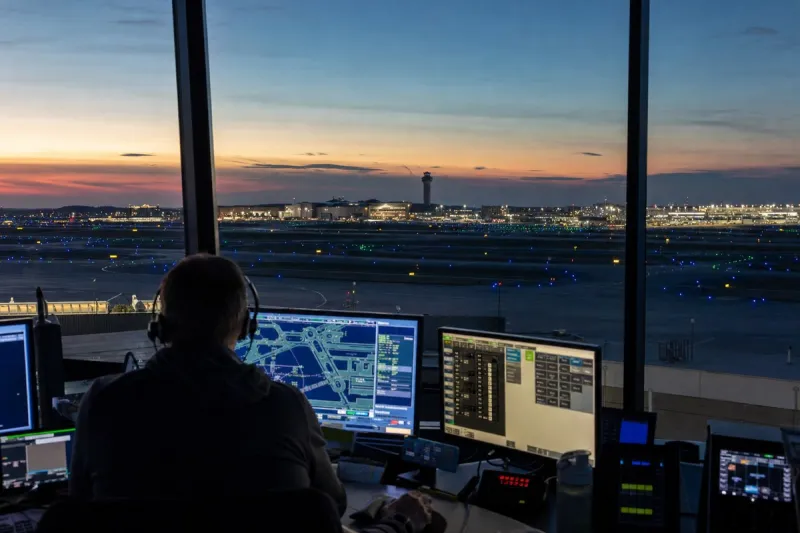
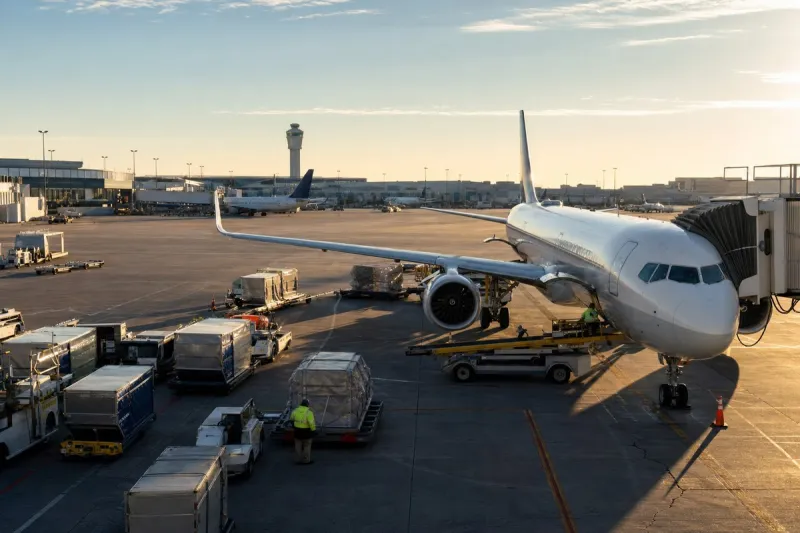
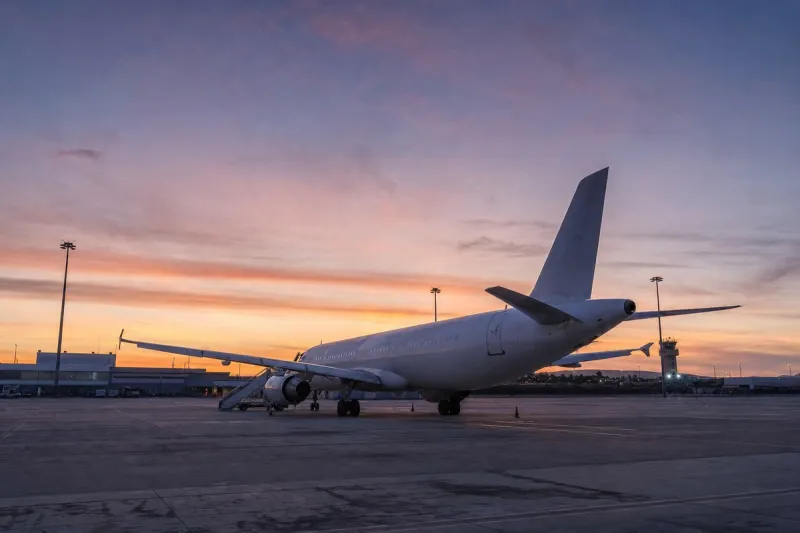
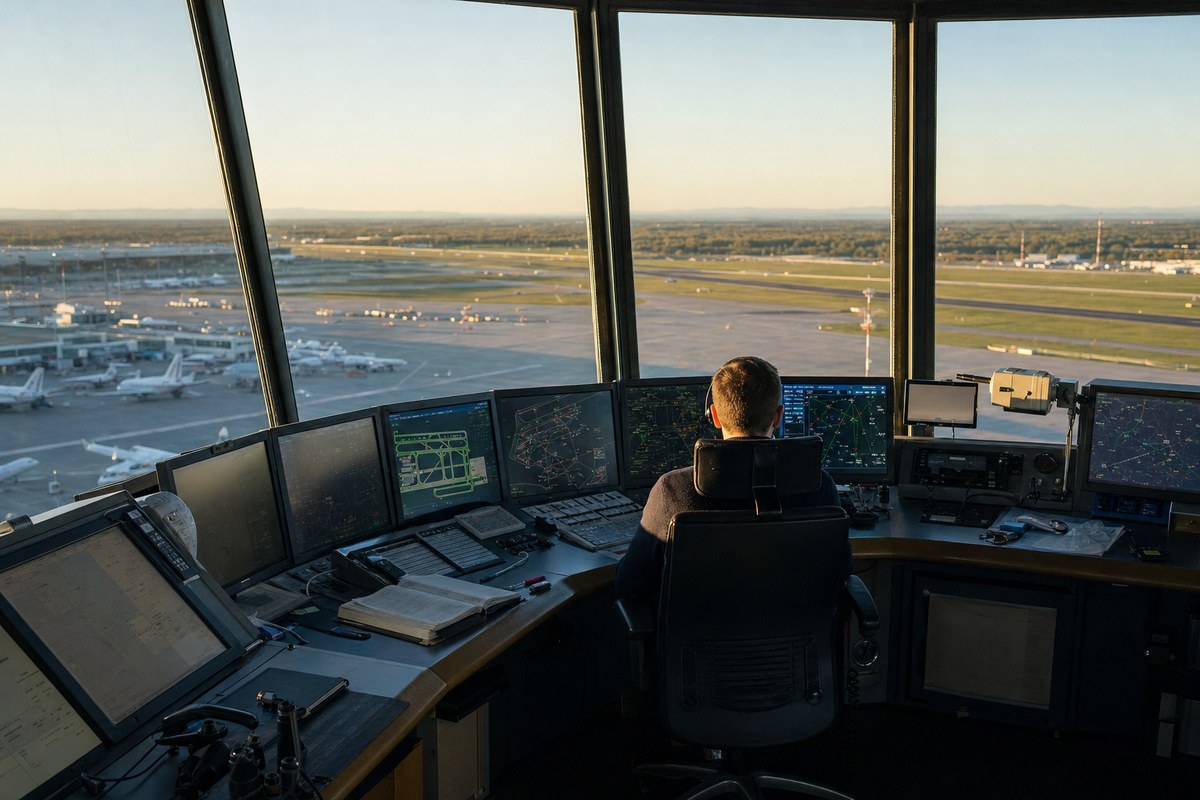
Staff of ENAV, Italy's civil air traffic control provider, at Milan Malpensa Airport are due to strike for 24 hours on Sunday, November 22, 2026. A separate four-hour national ENAV strike that had been set for Saturday, November 21 is no longer on the calendar, so travelers now face one air traffic control strike at one airport. The Malpensa action was called by the airport-level representatives of the FAST-CONFSAL-AV union and filed on September 30, according to the strike register kept by Italy's Ministry of Infrastructure and Transport, updated on November 17. The Saturday walkout had been called nationally by the FILT-CGIL and UGL-TA unions; it no longer appears in the ministry's register, which lists only strikes still in force, and Alphabetcity reported it as revoked on November 10. No union statement explaining the revocation was found.
Venice has its own Sunday strike: the register lists a 24-hour stoppage, from midnight to 11:59 p.m., by Sicuritalia IVRI staff at Venice Marco Polo Airport, called by the FISASCAT-CISL union. Venice Airport says Sicuritalia employs its security screening staff. Italian rules require gate access control to keep at least half its normal capacity during a strike. An Italian rail strike is also planned: according to rail infrastructure manager RFI, staff of the FS Italiane group, Italo and Trenord strike from 9 p.m., and that walkout ends the evening before the Malpensa strike begins. Trenitalia says some Frecce and Intercity trains are guaranteed.
Italian minimum-service rules, set by the national strike guarantee commission and published by the civil aviation authority ENAC, protect two daily windows. For an air traffic control strike, controllers must handle every flight scheduled to depart in those windows, plus international arrivals landing within half an hour of each window closing. Outside them, they must still handle all intercontinental arrivals and half of each airline's scheduled intercontinental departures. A flight from the United States into Malpensa counts as an intercontinental arrival and is covered all day. A Sunday flight from Malpensa to the United States is protected if it leaves in one of the two windows; otherwise it falls within the airline's 50% share of intercontinental departures. European and domestic departures outside the two windows are the most exposed. The rules also cap strike length: a first action in a dispute may last no more than four hours, while later actions can run a full day.
On flights covered by EU passenger rights rules, the European Commission says a strike outside the airline may count as an extraordinary circumstance, which would remove the €250 to €600 compensation payment, but the airline must prove the link. Passengers keep the choice of a refund, rerouting or a later flight, and are owed meals and refreshments while waiting, plus a hotel with transport if the new flight leaves the next day. Passengers booked through Malpensa on Sunday should check their flight with the airline before leaving for the airport.