Ascendance unveils full-scale ATEA hybrid-electric VTOL prototype ahead of flight tests
Why It MattersA European hybrid-electric VTOL entrant with far less funding than US and Chinese rivals signals that regional-industrial-autonomy efforts are advancing, while its slipping timeline shows how hard eVTOL schedules are to hold.
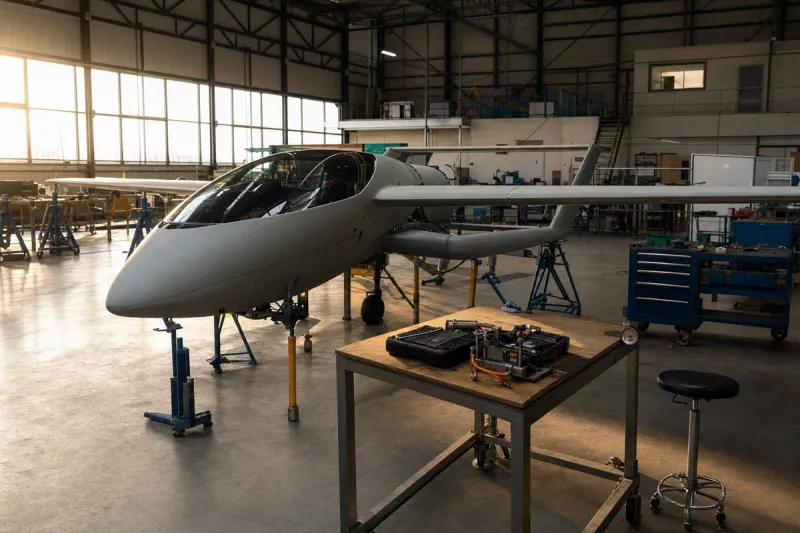
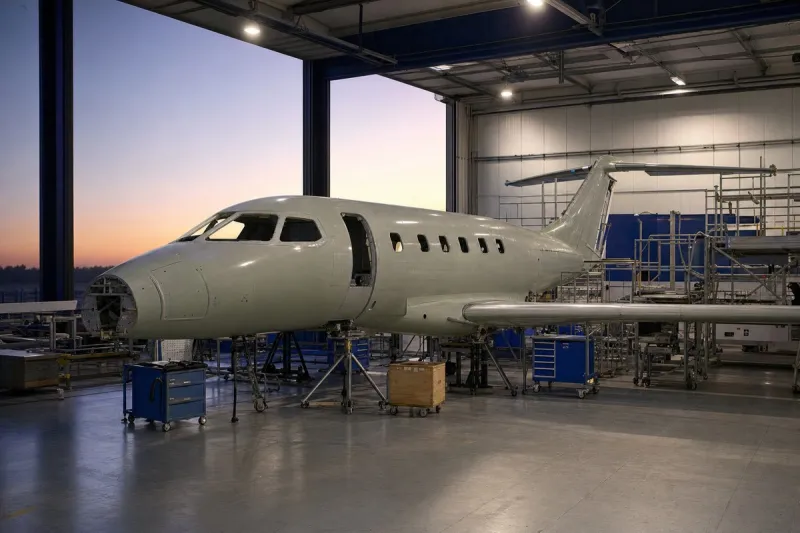
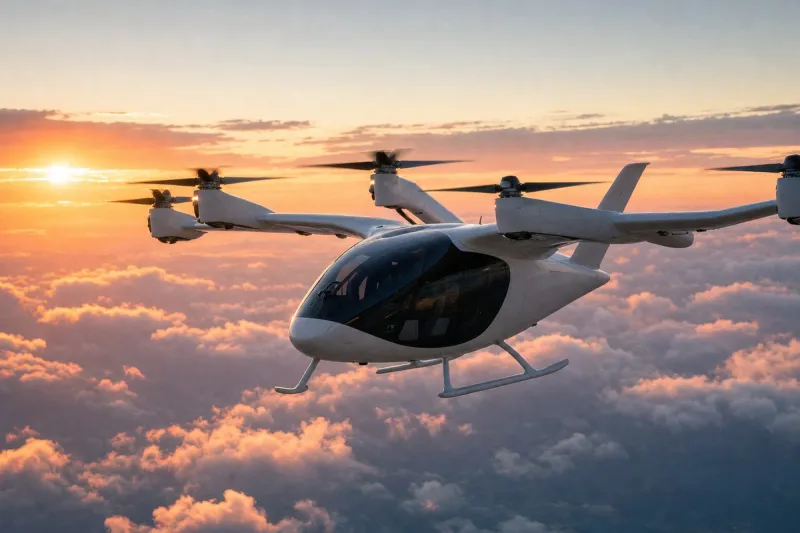
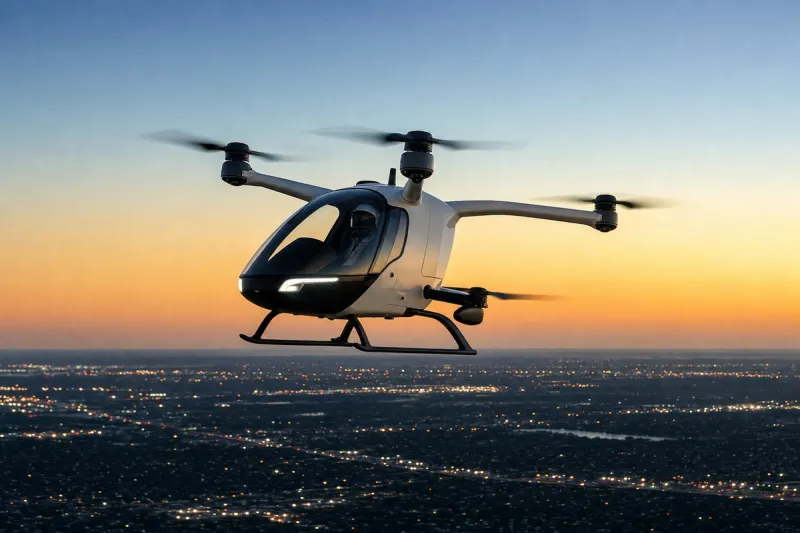
French startup Ascendance unveiled the full-scale prototype of its ATEA hybrid-electric vertical takeoff and landing (VTOL) aircraft at Muret-Lherm airfield near Toulouse, as the company prepares for its flight-test campaign. The airframe was manufactured by Duqueine Group in Lyon under Ascendance's engineering direction; completion of the demonstrator's airframe was announced on February 23, 2026, clearing the way for integration of the propulsion system, avionics and fly-by-wire flight controls.
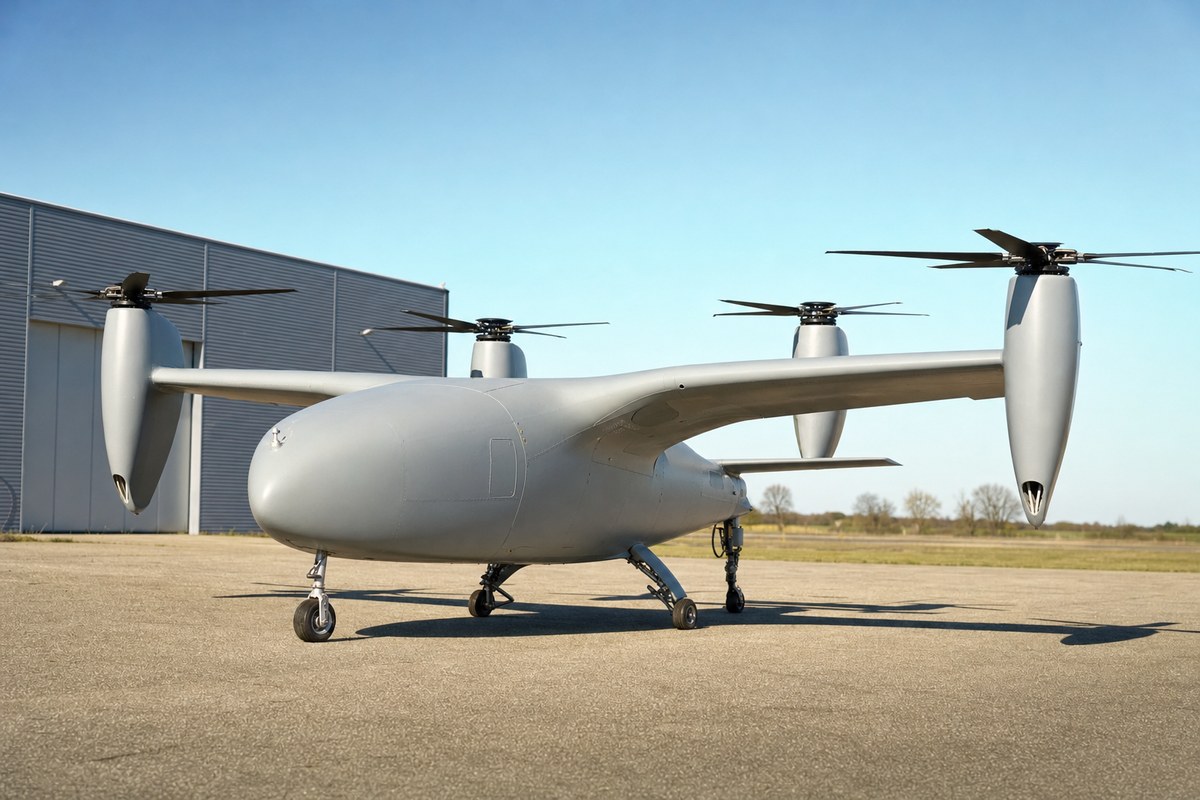
Co-founder Jean-Christophe Lambert described ATEA as the first European aircraft developed from scratch around a hybrid-electric architecture, said Europe needs to strengthen its industrial autonomy in aerospace and defense, and noted that the aircraft was built mostly with European components and technology. Ascendance has raised €60 million to date, which Lambert acknowledged is small compared with sums raised by some eVTOL developers in the United States and China. The company expects the prototype's first flight in early 2027, once it receives permission from the aviation authority.
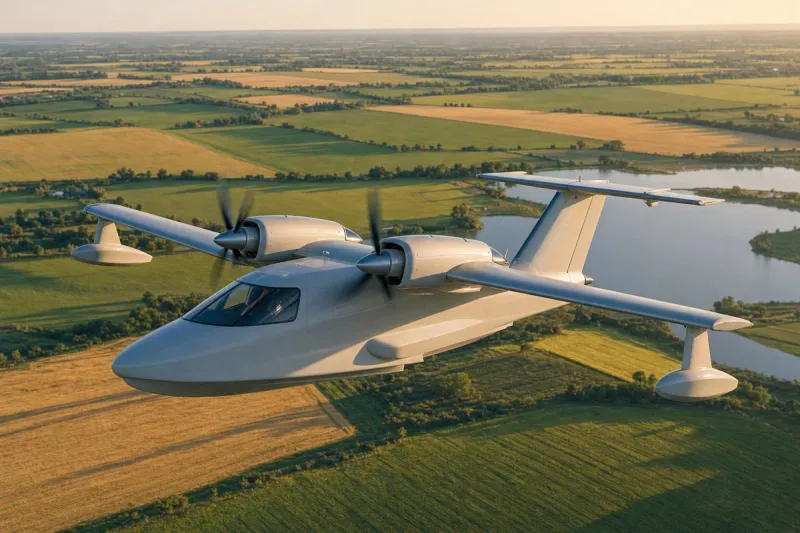
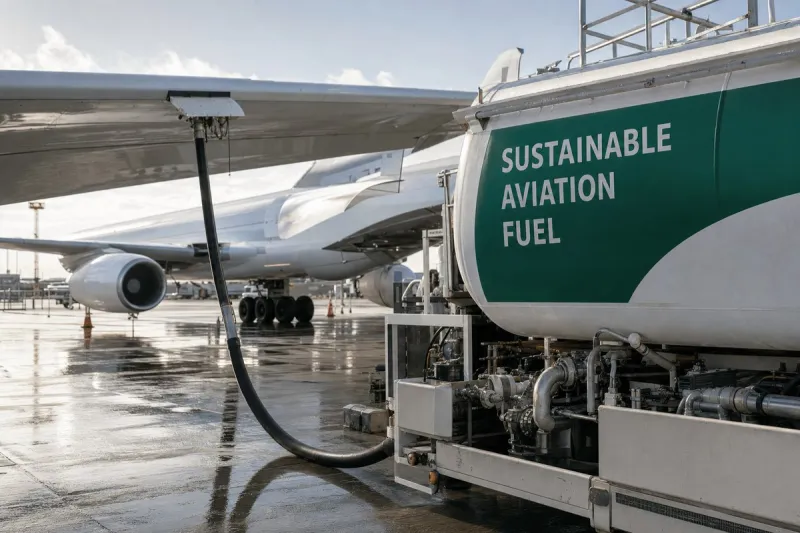
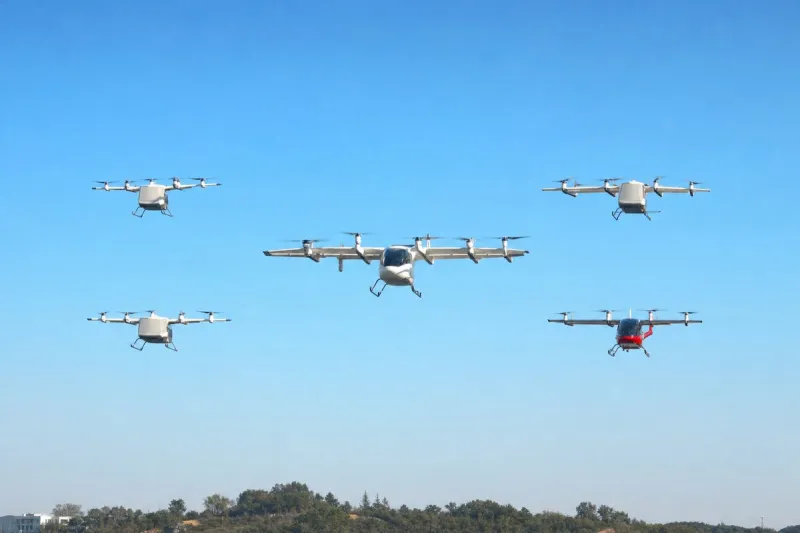
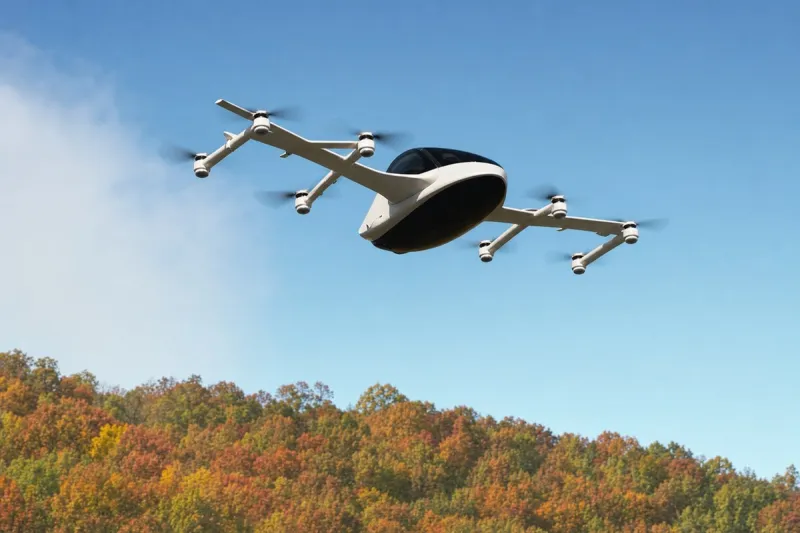
ATEA is designed as an alternative to conventional helicopters. It uses eight electric rotors embedded in the wings for vertical takeoff and landing, plus two propellers, one in the nose and one at the rear of the vertical tail, for forward flight. Power comes from STERNA, Ascendance's in-house hybrid-electric system: batteries supply power during high-demand phases such as takeoff and landing, while fuel-powered generators supply energy in cruise. The system can run on conventional Jet A-1 or sustainable aviation fuel. In March 2025 the company selected Safran's ENGINeUS electric motor for the aircraft.
Ascendance's website still listed a first crewed flight of the full-scale prototype in 2026, with certification targeted for 2029; the company has not announced a specific date for the maiden flight. When the ATEA design was revealed in December 2021, the company said a full-scale prototype would enter testing in 2023.
Ascendance is also developing STERNA for other applications. On July 20, 2026, at the Farnborough International Airshow, it signed a letter of intent with ATR to explore hybrid-electric propulsion architectures for future regional aircraft. On November 4, 2026, at Euronaval, it signed a memorandum of understanding with Naval Group covering energy management and high-voltage electrical architectures for autonomous naval platforms.