Embraer E195-E2 Serves as Flight-Test Platform in DLR-Led IGNITE-X Contrail Research Using Low-Sulphur Fuel
Why It MattersMeasured plume data on sulphur content and modern engines could shape how the industry weighs low-sulphur fuels against CO₂ cuts when it addresses aviation's non-CO₂ climate effects.
Embraer is supporting IGNITE-X (International Ground and Inflight Turbine Emission Experiment), an international research project led by the German Aerospace Center (DLR) that aims to improve understanding of contrail formation and identify ways to reduce aviation's climate impact. The campaign was announced from São José dos Campos, Brazil, on November 16, 2026, and brings together DLR, Embraer, RTX's Pratt & Whitney, Aerodyne Research, and Missouri University of Science and Technology.
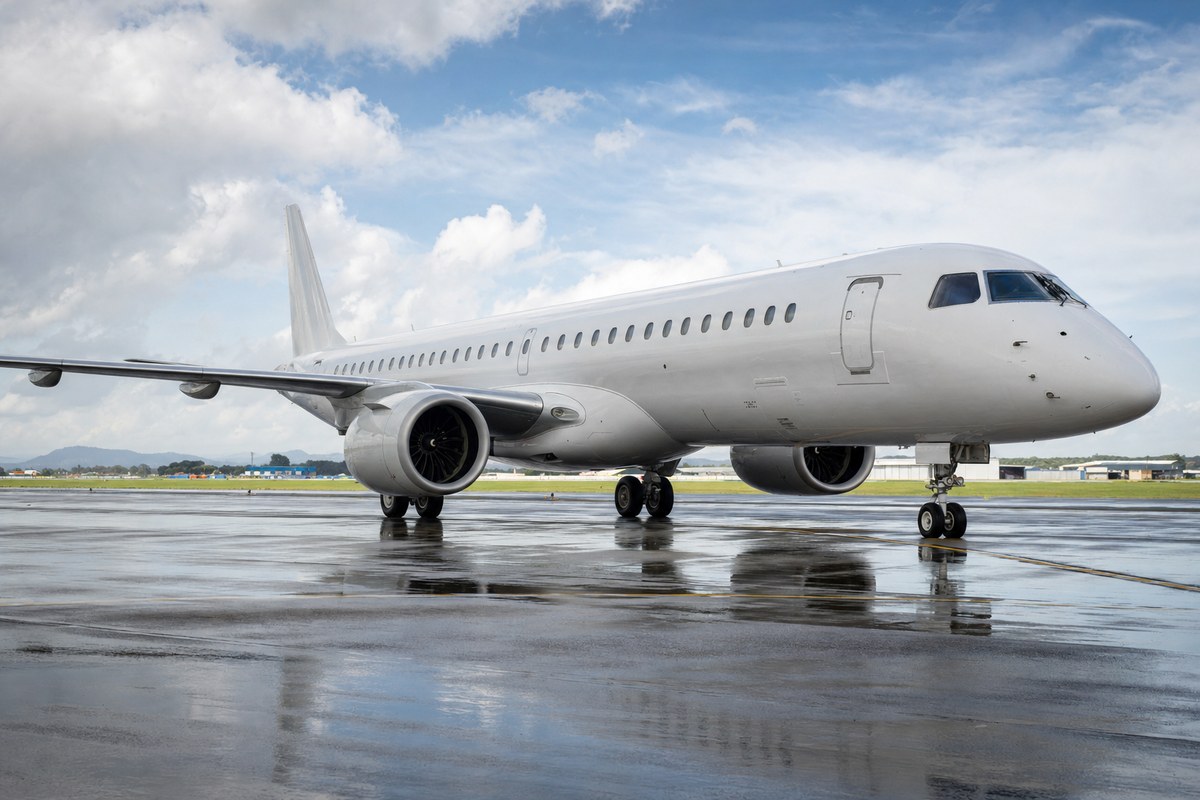
The project investigates how fuel composition, particularly sulphur content, influences engine emissions, particle formation and contrail development. Contrails are ice-crystal clouds formed when aircraft exhaust interacts with cold, humid air at cruising altitude, and are recognized as a contributor to aviation's non-CO₂ climate effects. Researchers are studying whether lower sulphur content in aviation fuel, combined with advanced low-emission engine technology, can significantly reduce contrail formation.
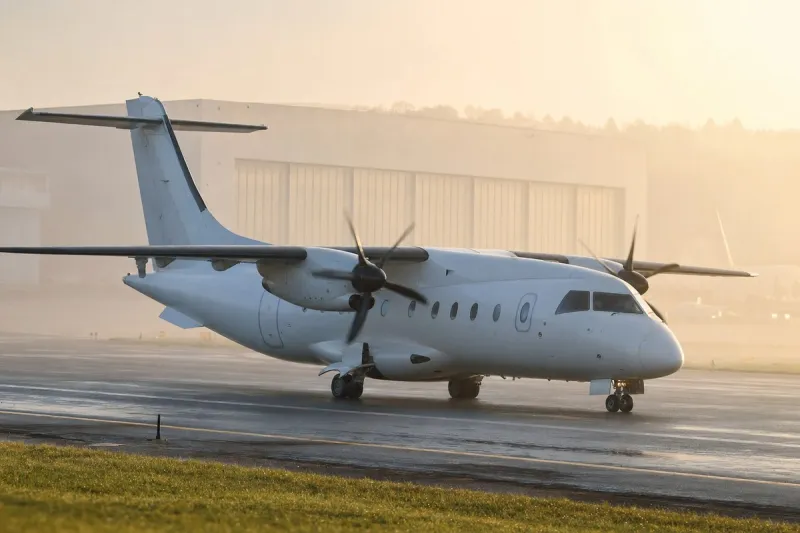
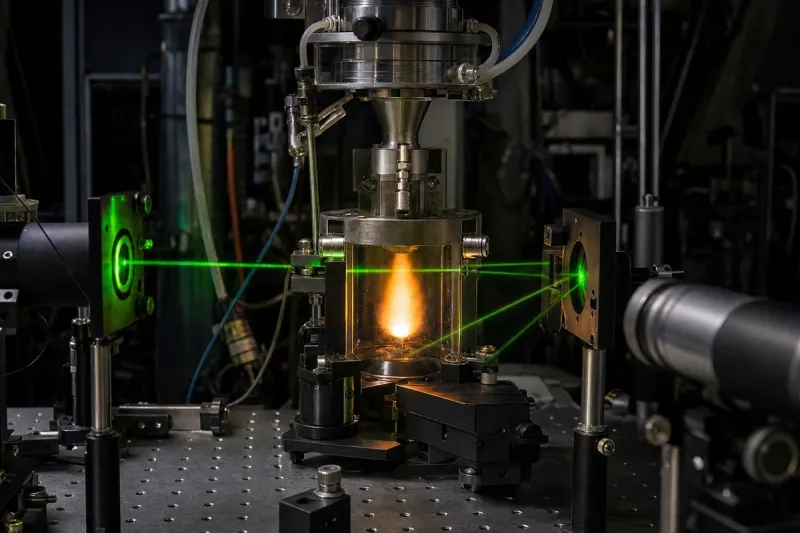
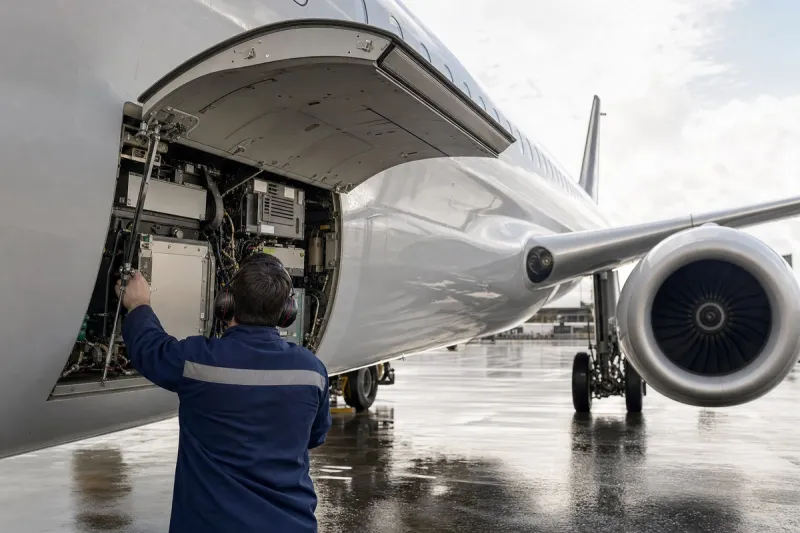
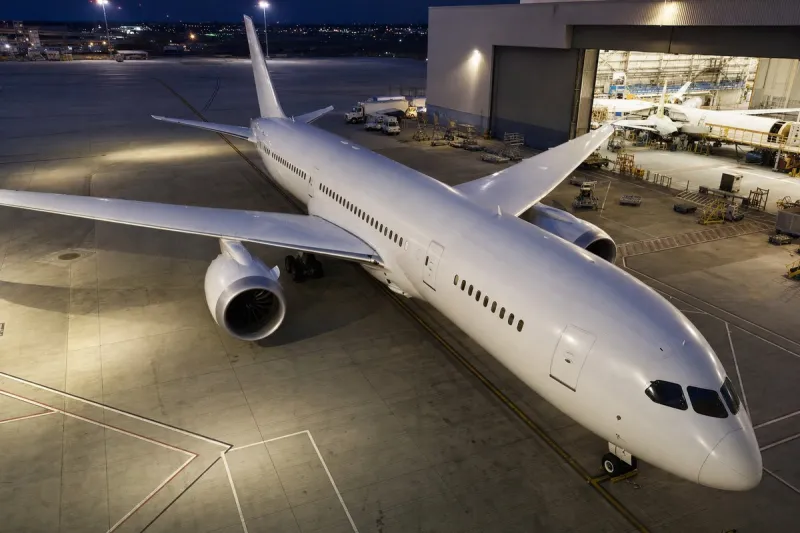
The flight-test platform is Embraer's E195-E2, powered by Pratt & Whitney GTF PW1900G engines. It operates on both conventional jet fuel and a specially produced low-sulphur aviation fuel, so researchers can compare emissions and particle formation under real-world conditions. DLR's Falcon 20E research aircraft follows the E195-E2 through dedicated test corridors over Germany, measuring exhaust emissions and contrail properties at varying distances from the aircraft, and ground-based measurements are also being carried out to evaluate ultrafine particle emissions.
Cleiton Silva, Embraer's Vice President of Technology Development and Electronic Equipment, said the E195-E2 was designed for efficiency and lower emissions, making it a suitable platform for sustainable-aviation research. Embraer describes the aircraft as the most fuel-efficient and quietest small narrowbody in its segment, with up to 30% lower fuel consumption and emissions than previous-generation aircraft. Markus Fischer, DLR Divisional Board Member for Aeronautics, said measuring emissions directly within the exhaust plume is scientifically and operationally very challenging. The findings are expected to provide scientific data on aviation's non-CO₂ climate impacts and support the development of mitigation strategies.