Long-Haul Flights Carry Up to Four Pilots as Airbus's Plan to Cut Cruise Crews Stalls Under Regulators
Why It MattersRegulators in the US and Europe are holding the two-pilot minimum in place, so long-haul crew costs stay tied to rest rules while Airbus's cruise-crew reduction remains unapproved.
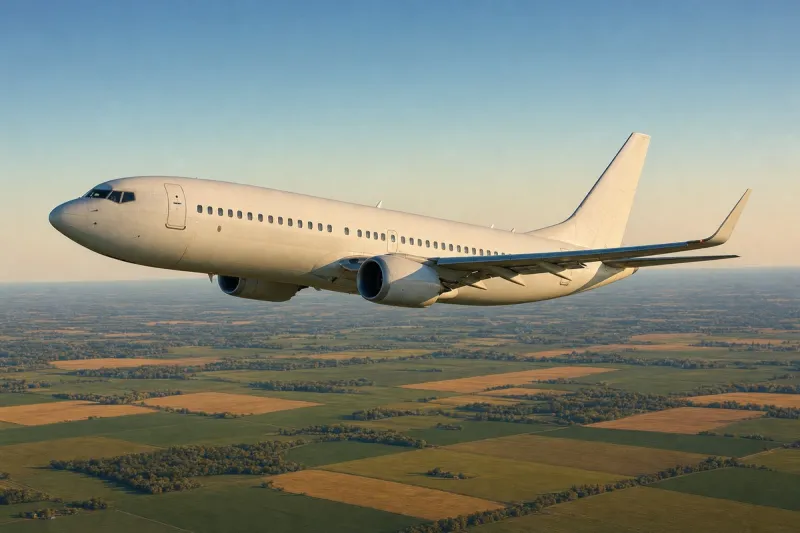
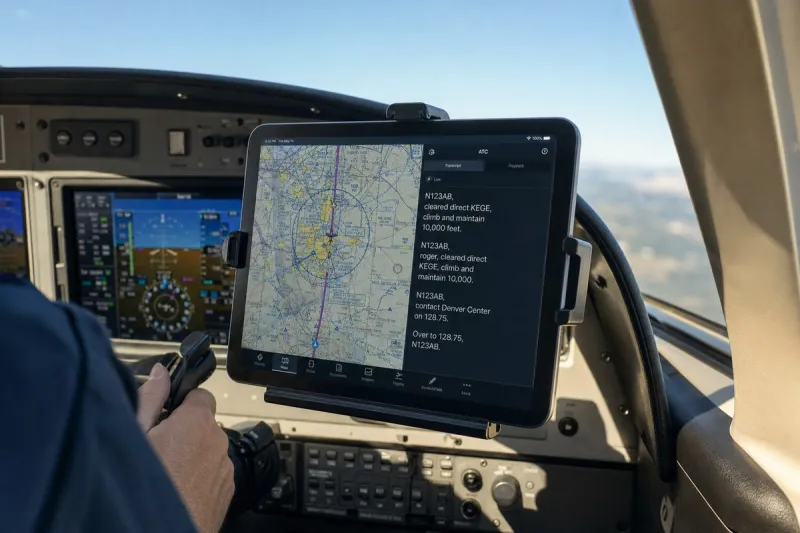
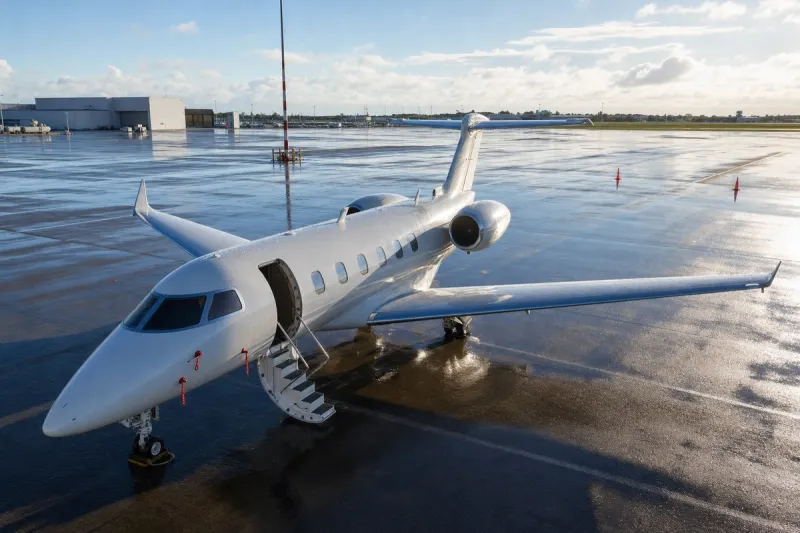
All commercial airliners in service today need two pilots, a captain and a first officer, yet many widebody flights operate with three or four because crew rest regulations limit each pilot's daily working hours. Relief pilots rotate through rest during the flight. The rule of thumb is that flights over eight hours require a third pilot and flights scheduled to exceed 12 hours require four. All crew are on the flight deck during critical phases of flight; in cruise, two fly while the others rest.
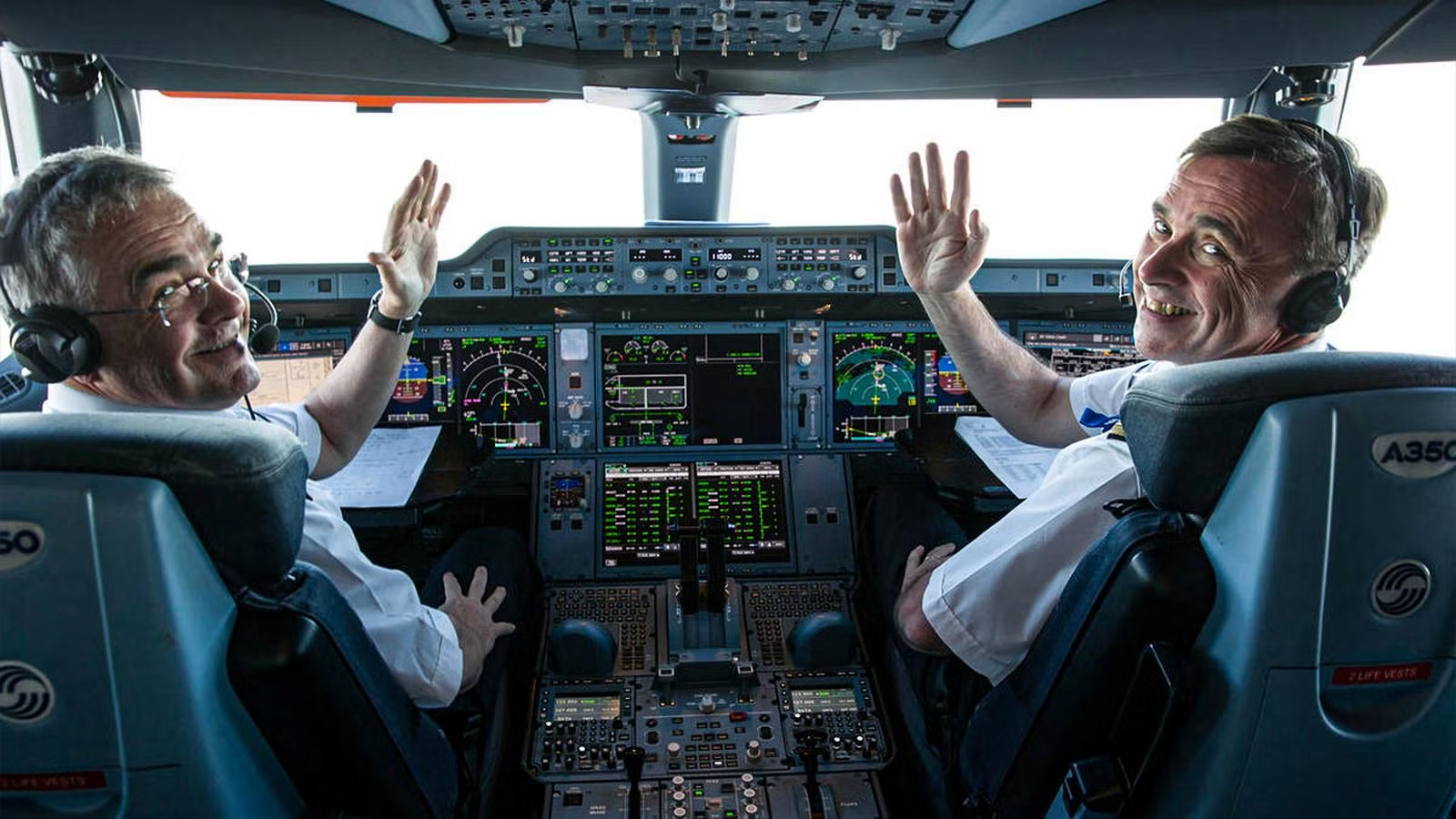
Most airline pilots are paid by the hour, so an extra pilot or two can nearly double pilot salary costs on an ultra-long-haul service. Widebodies also pay more than narrowbody types, and the pilots on ultra-long-haul routes are typically an airline's most senior and best-paid crew members.
Airbus has been developing extended Minimum Crew Operations (eMCO) for the A350. Two pilots would still be required for takeoff and landing, but in cruise one would rest while the other stayed at the controls, and the two would rotate. Airbus would redesign cockpit displays and modify systems to reduce workload, and it has worked with Cathay Pacific and Lufthansa on feasibility and with EASA on safety. EASA launched a proposal in 2022, sent to ICAO, aimed at potentially moving to eMCO as early as 2027.
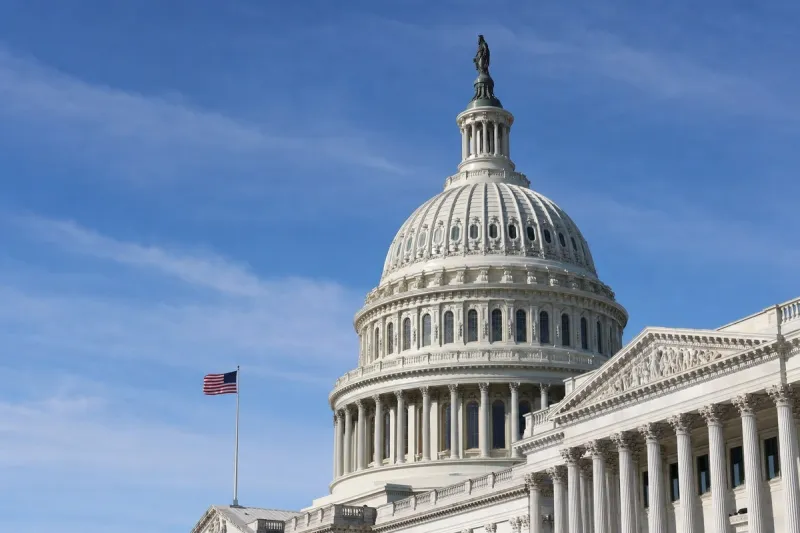
Momentum has since faded. In February 2026, the US Congress passed a law requiring two pilots on the flight deck at all times on all commercial airline flights, codifying what had previously been an FAA regulation. EASA has paused and shelved its eMCO and single-pilot research, concluding such practices would reduce safety, with concerns centred on fatigue management, a pilot's physiological needs and cross-checking between crew members. It ruled out regulatory changes in the near future and is focusing on improving cockpit technology instead.
The FAA has also rescinded single-pilot operation exemptions for several Cessna Citation models, citing increased accident rates, put at double those of two-pilot flights, along with widespread compliance failures. Separately, Merlin is developing AI-assisted copilot systems for large airliners, with a long-term goal of single-pilot or fully autonomous operations. Neither Airbus nor Merlin has so far proved that its proposals materially improve safety over the current two-pilot minimum.