India Weighs Feedstock, Cost and Safety Hurdles in Building a Sustainable Aviation Fuel Ecosystem
Why It MattersIndia's SAF ambitions depend less on refining capacity than on building collection, verification and certification systems that give refiners reliable, internationally accepted feedstock at prices price-sensitive domestic travellers can bear.
A discussion on India's sustainable aviation fuel (SAF) ecosystem brought together policymakers, regulators, industry representatives, researchers and international experts to ask whether India can turn its biomass and waste resources into a SAF industry that meets domestic demand and competes internationally. Participants concluded that refinery investment and blending targets alone are not enough. An integrated ecosystem is needed, running from raw-material collection to aircraft operating on fuel whose sustainability can be demonstrated, verified and internationally accepted.
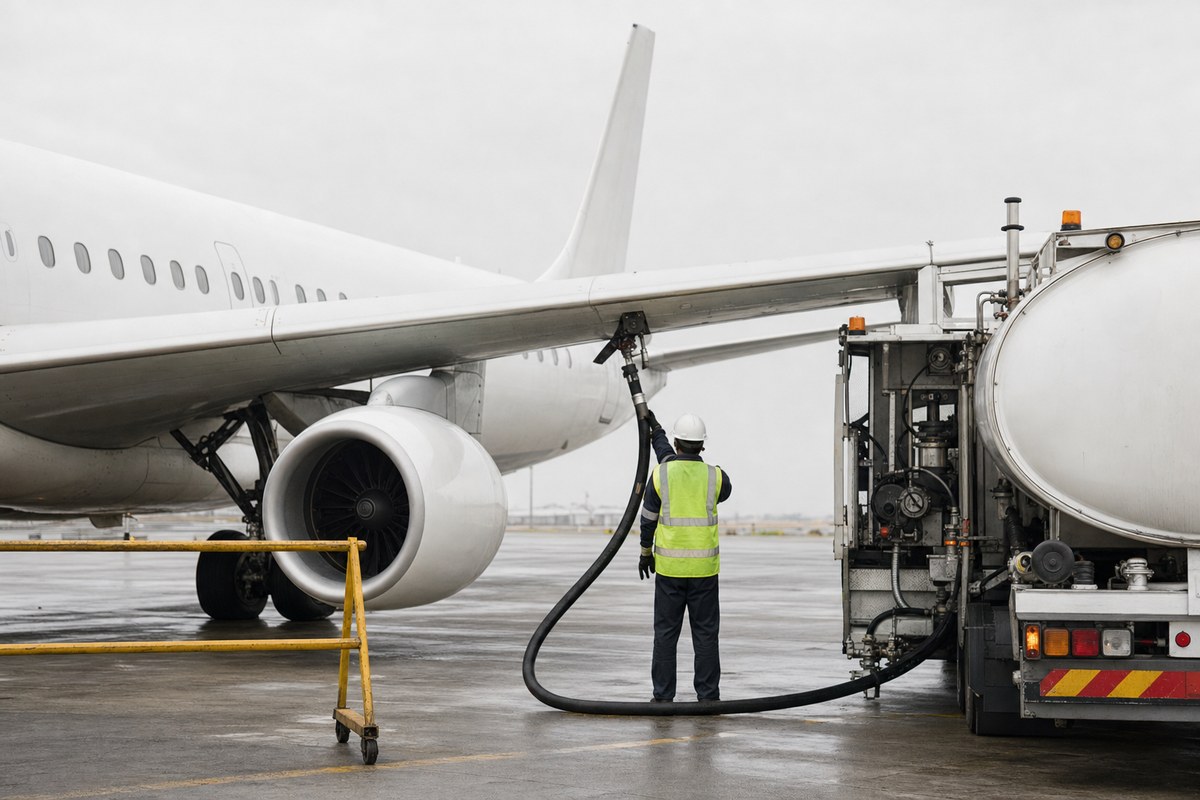
Asangba Chuba Ao, Joint Secretary in the Ministry of Civil Aviation, said the transition involves environmental commitments, aviation safety, technology, feedstock availability, industrial investment, regulation and passenger affordability, and that no single ministry or company can deliver it alone. He stressed that safety is fundamental: "You will not put a fuel into an aircraft unless it is 100% safe." He added that India should reflect its own economic circumstances rather than copy European approaches, since Indian air travellers are highly sensitive to ticket prices.
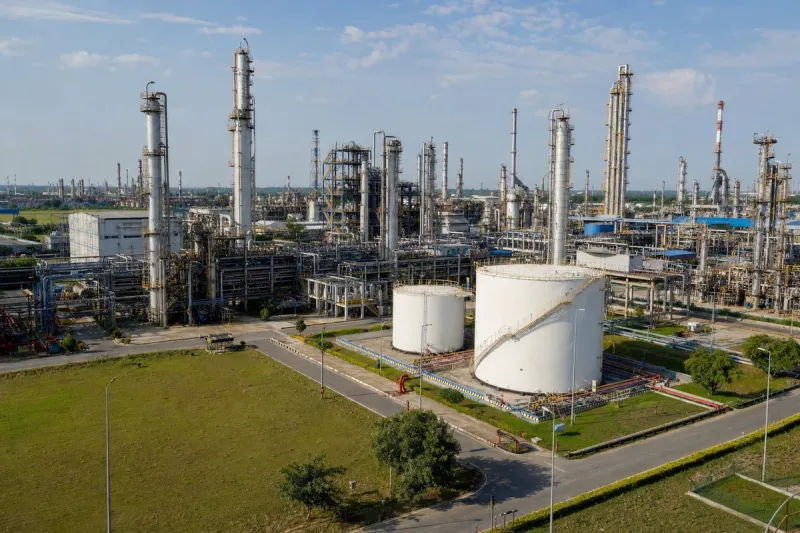
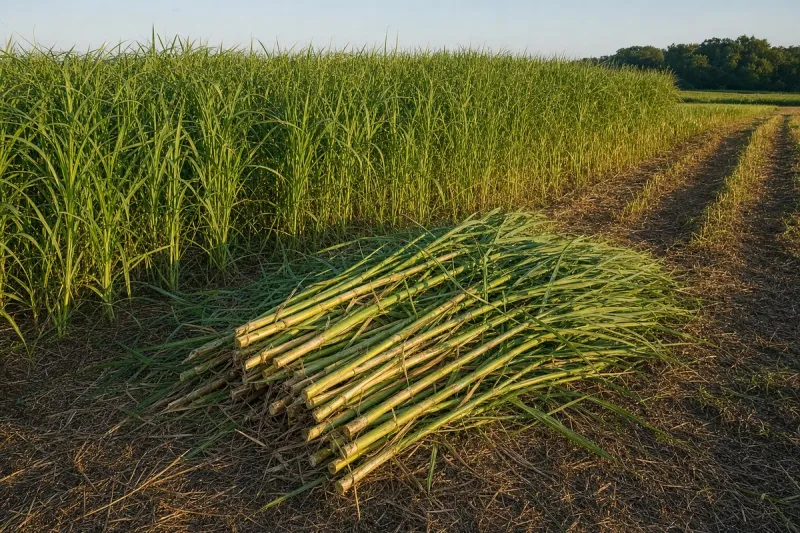
Dr Anjan Ray described the production of an initial batch of SAF from an Indian refinery as a milestone, roughly two decades after his first exposure to biojet fuel in November 2006. He cautioned that theoretical resources should not be confused with usable supply: India generates about 750 million tonnes of agricultural biomass and has more than eight million tonnes of potential used cooking oil, but much of the biomass is already committed to other uses or lost in collection, storage and transport, and much used cooking oil sits in informal channels. Ray named Hydroprocessed Esters and Fatty Acids (HEFA) and refinery co-processing as the most practical near-term pathways, using existing refining infrastructure, with Indian Oil and other refiners including BPCL, MRPL, HMEL and HPCL involved. In the medium term he expects alcohol-to-jet technologies to grow in importance, and noted that butanol may offer advantages over ethanol as a precursor.
On used cooking oil, Ray said India consumes about 27 million tonnes of fresh edible oil annually, yet organised collection remains far below potential because of weak collection networks, informal trade, diversion to other uses and poor traceability; some oil is exported and some may re-enter the food chain. He called for stronger policy action and better implementation of the Food Safety and Standards Authority of India's existing Repurpose Used Cooking Oil initiative.