FAA Administrator Bedford Says Agency Is Exploring AI for Spaceflight Monitoring and Aviation Certification
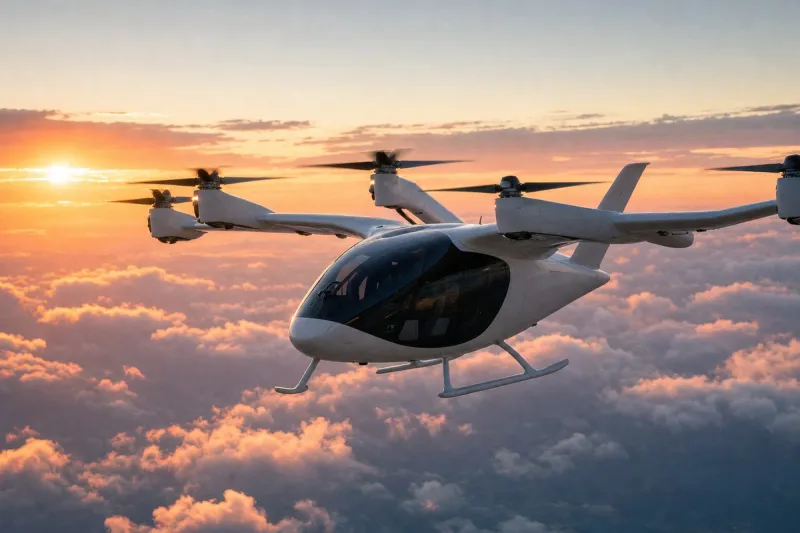
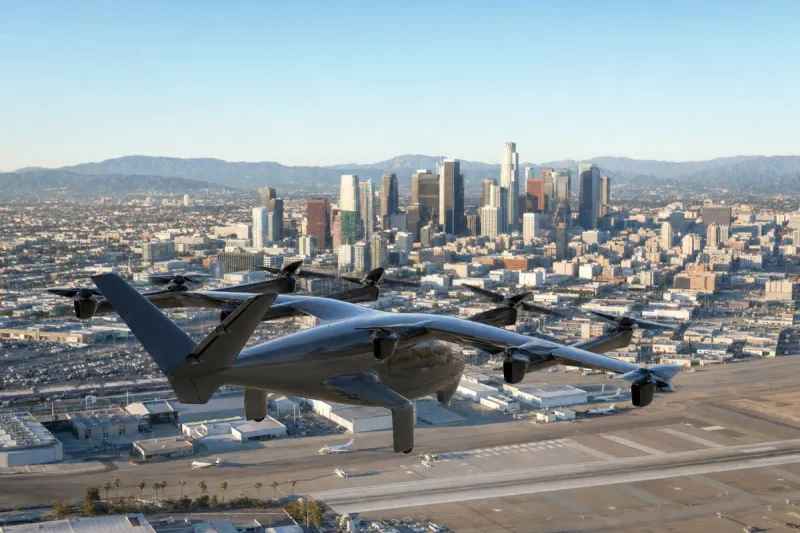
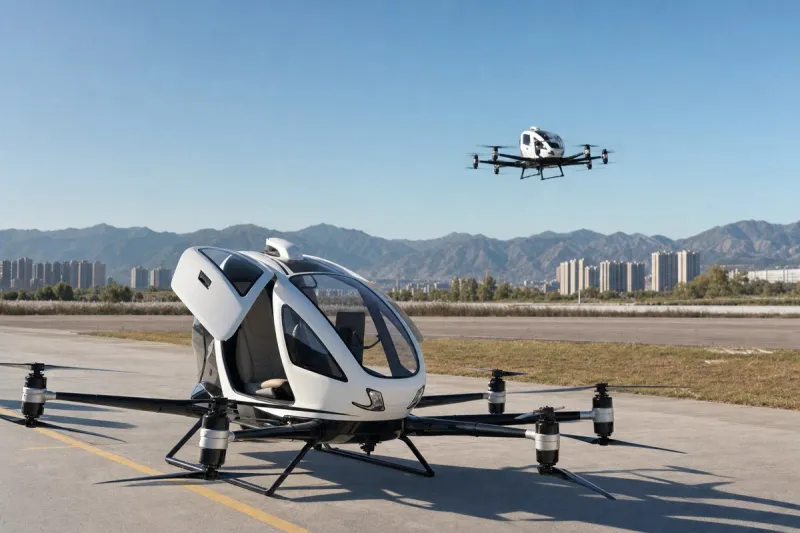
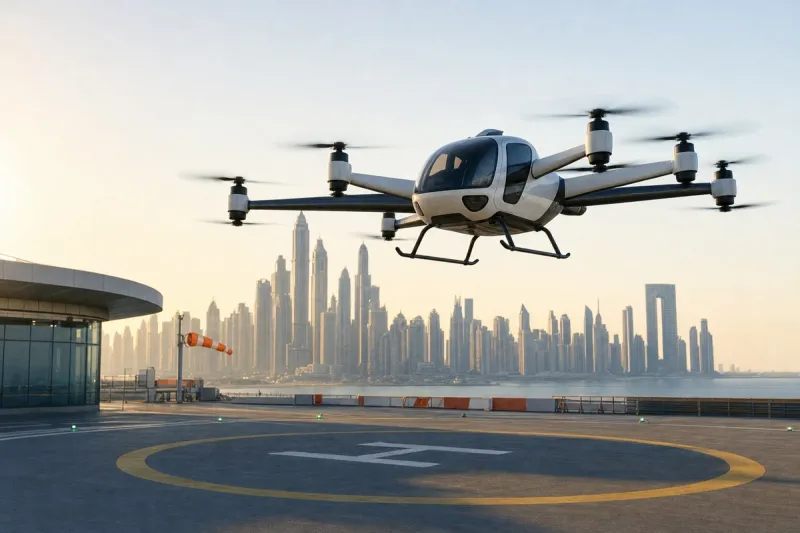
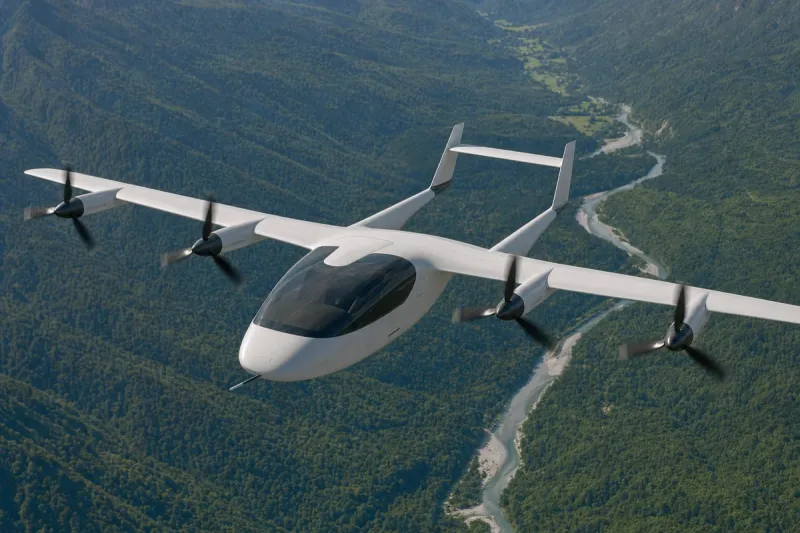
Why It MattersAI is moving from pilot projects into FAA airspace operations, which could shift how space launches, novel aircraft such as eVTOLs and routine traffic flows are managed alongside conventional flights.
FAA Administrator Bryan Bedford said Thursday that the agency is exploring artificial intelligence in a variety of new ways, from monitoring spaceflight activity to certifying novel aviation technology. Speaking at a Honeywell Aerospace summit in Washington, D.C., he said the FAA has already "operationalized" at least one new AI capability: a space data integrator within its Strategic Management of Airspace, Routes, and Trajectories (SMART) platform.
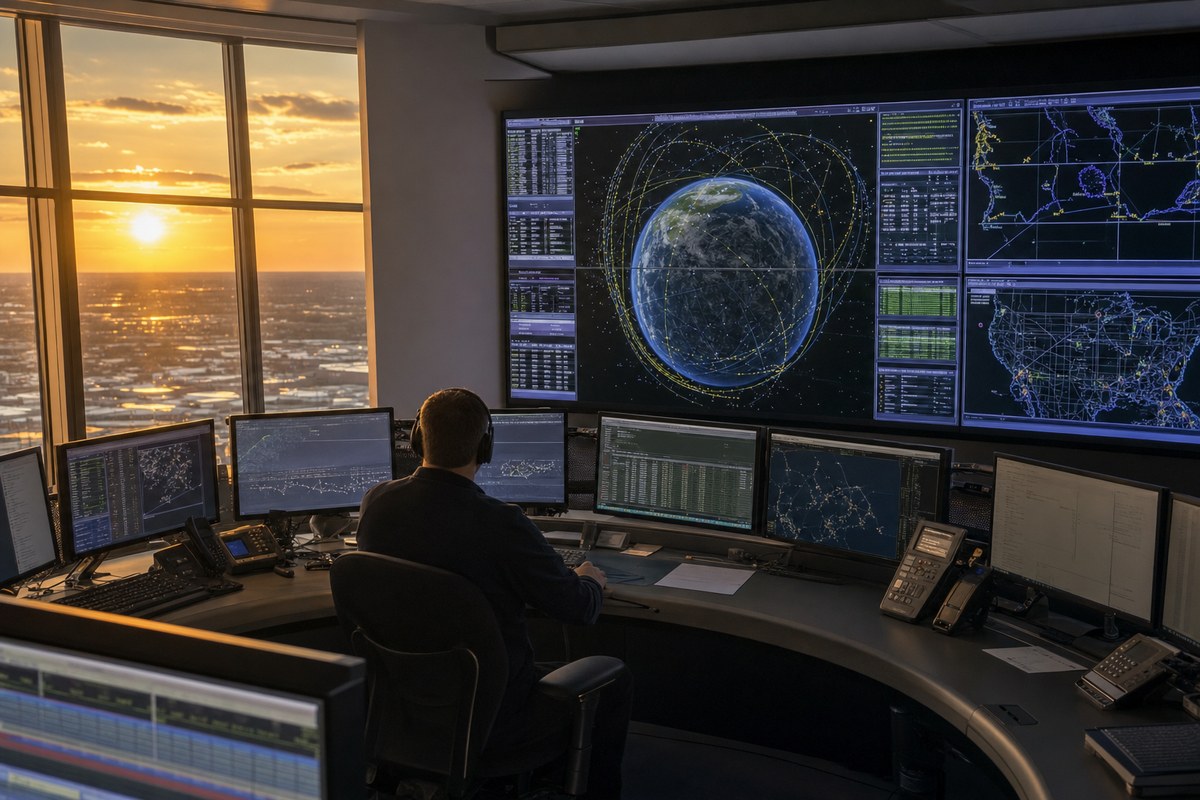
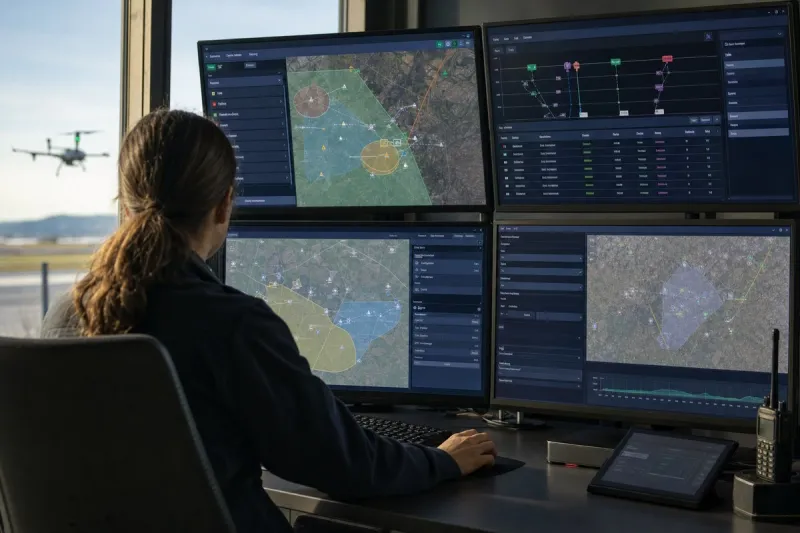
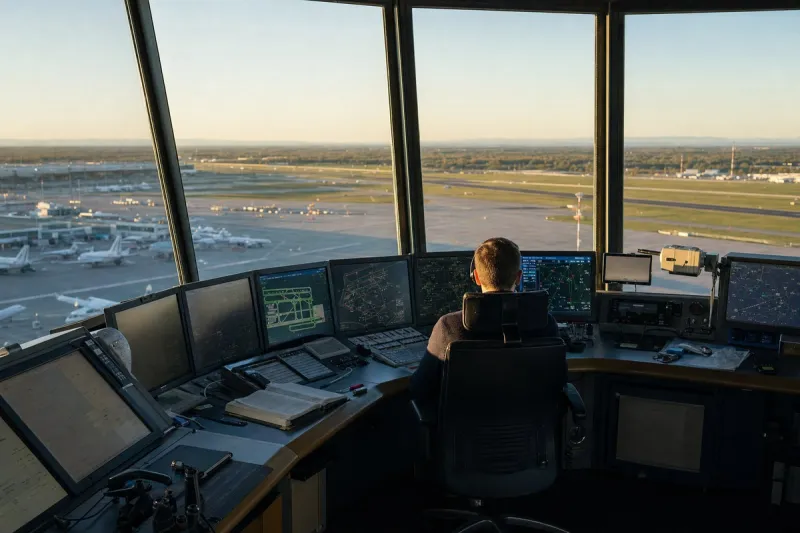
Bedford said the integrator helped the agency follow the 15th test flight of SpaceX's Starship rocket last week, the first time SpaceX caught Starship at its Starbase pad in Boca Chica, Texas, where it had launched the day prior. "We could see it in real time in our systems and understand what the reentry trajectory was going to look like," he said, adding that the FAA had multiple scenarios for vehicle health monitoring defining the conditions that had to be met for the ship catch. SMART is an AI-powered platform that aggregates large amounts of data; FAA personnel in Washington use it to make routing recommendations intended to reduce flight time and fuel consumption, which air traffic controllers can accept or reject. The FAA said last week that SMART is informing personnel at all 22 Air Route Traffic Control Centers. Its initial rollout in the National Capital Region in September prompted lawmakers to call for a pause in its use, and Democrats in both houses of Congress asked for more details on how it works.
The FAA designates aircraft hazard areas before commercial space launches and disseminates them to pilots through Notices to Airmen about 48 to 72 hours in advance. When a spacecraft suffers an anomaly, the FAA activates a debris response area to warn aircraft of potential falling debris, diverting them or placing them in holding patterns until the area is clear. The White House set a goal in August of facilitating more than 1,000 annual U.S. space launches and reentries by 2030; the FAA has not explicitly said it will use AI for that purpose.
Bedford also said the FAA is experimenting with AI for certifying novel aviation technologies. "I'm not prepared to say that we're ready to endorse that," he said, describing the effort as "putting our toe in the water" to see whether the large volume of data received from applicants can be processed to help determine what the agency should focus on. He also expressed interest in using AI for weather forecasting, saying he wants a "three-dimensional, highly predictive understanding of weather." He said there are 4,000 "weather machines" in the airspace at any one time and that the FAA has access to ADS-B satellite data. "Let's put humans on the loop, keep them on the loop, but let's give them tools and predictability," he said.