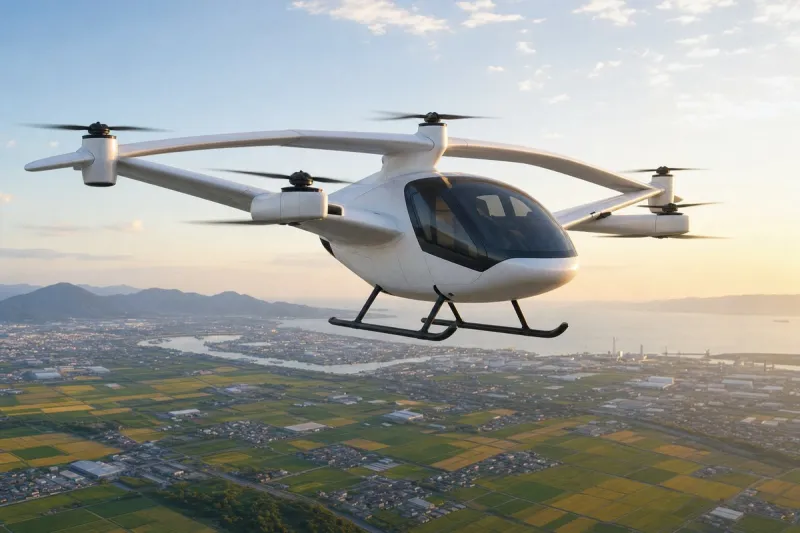
Dubai targets Q2 2027 commercial air taxi launch between Dubai Marina and Dubai International Airport Vertiport, with trials starting soon
Why It MattersDubai is moving electric air taxis from isolated demonstration flights toward a fixed commercial route, positioning the city as an early test of whether eVTOL service can operate as scheduled urban transport.
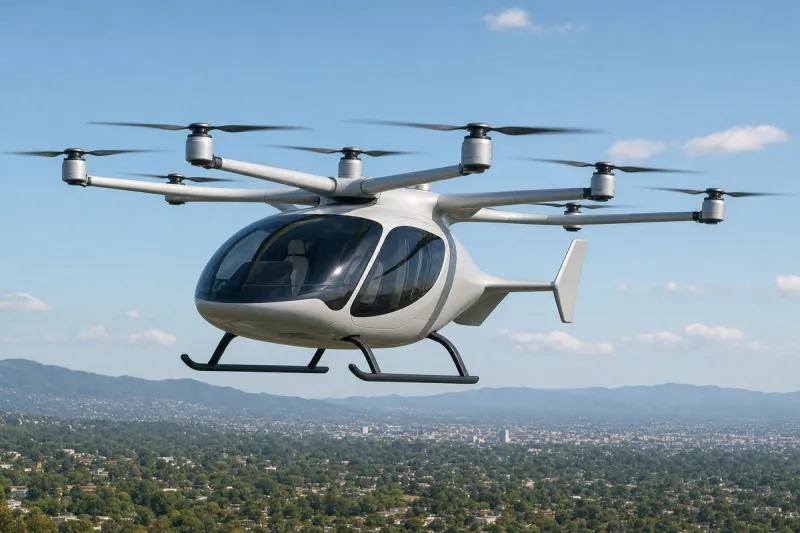
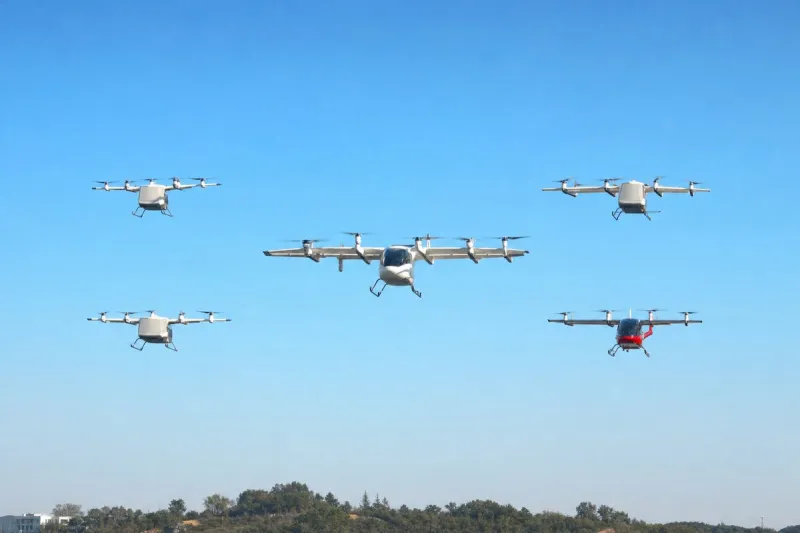
Dubai passengers could begin using air taxis in the second quarter of 2027, with trials due to start next month, according to Khaled Al Awadhi, director of the Roads and Transport Authority's Transportation Systems Department. Speaking at the Science, Technology, Arts and Research Summit during Dubai Future Week, he said testing would begin toward the end of this year and the commercial passenger launch would most probably come in Q2 2027.
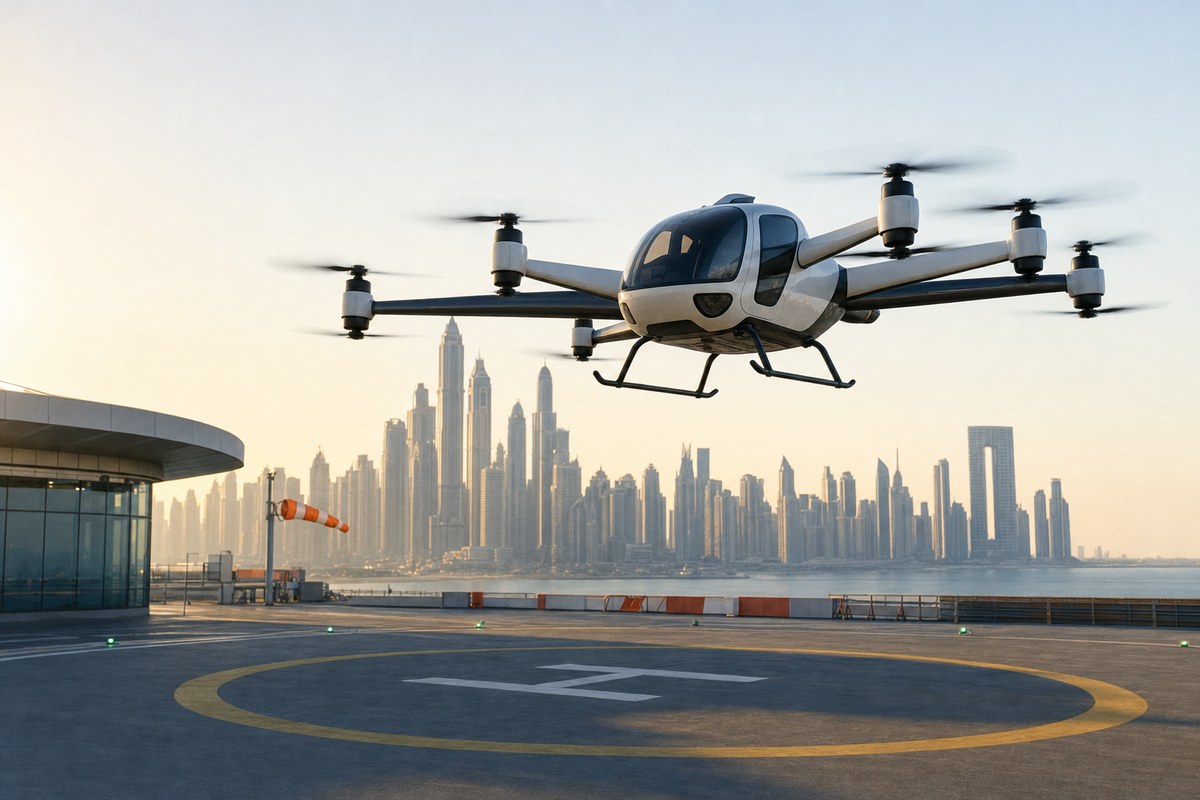
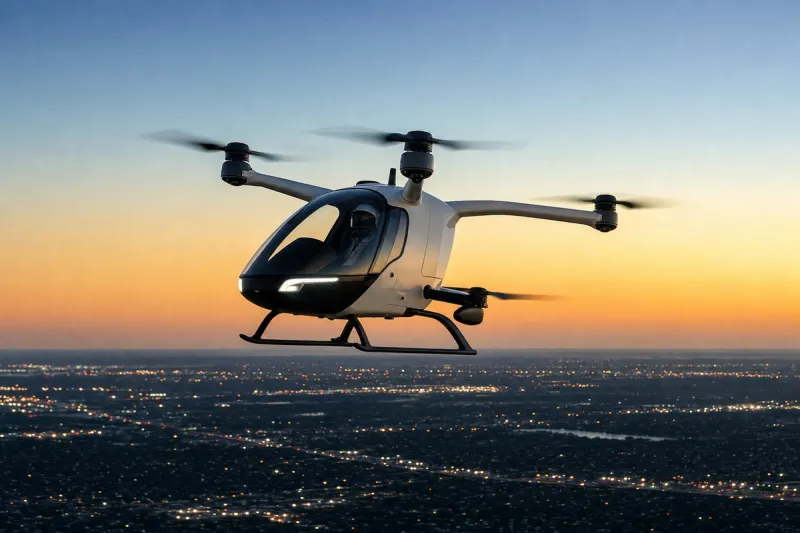
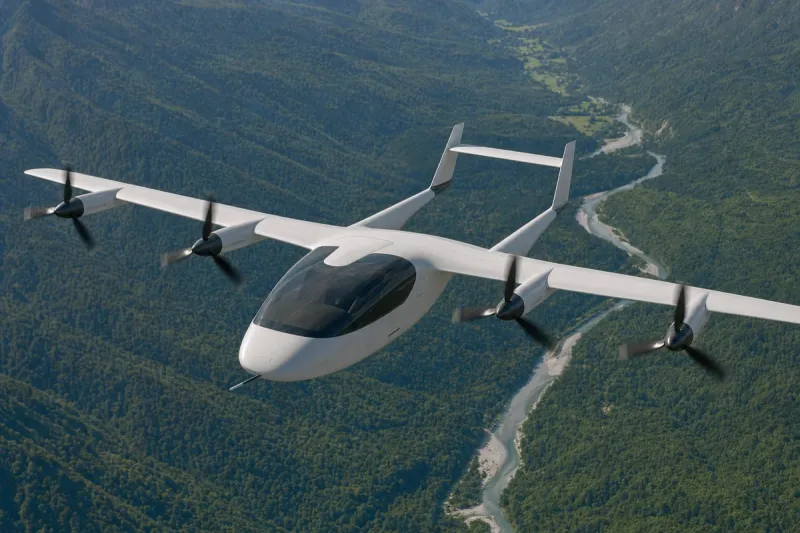
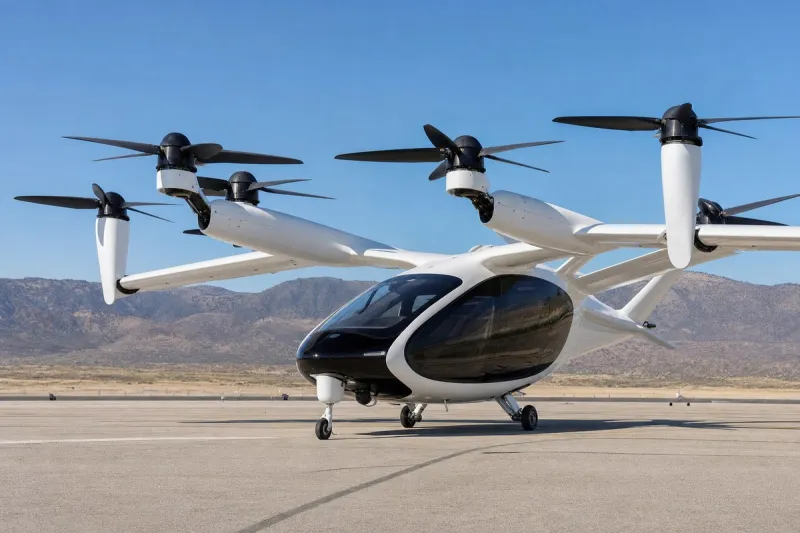
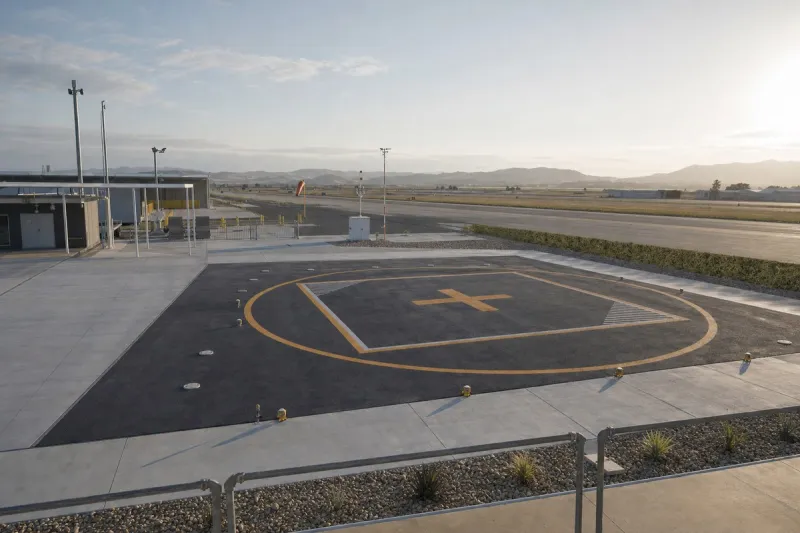
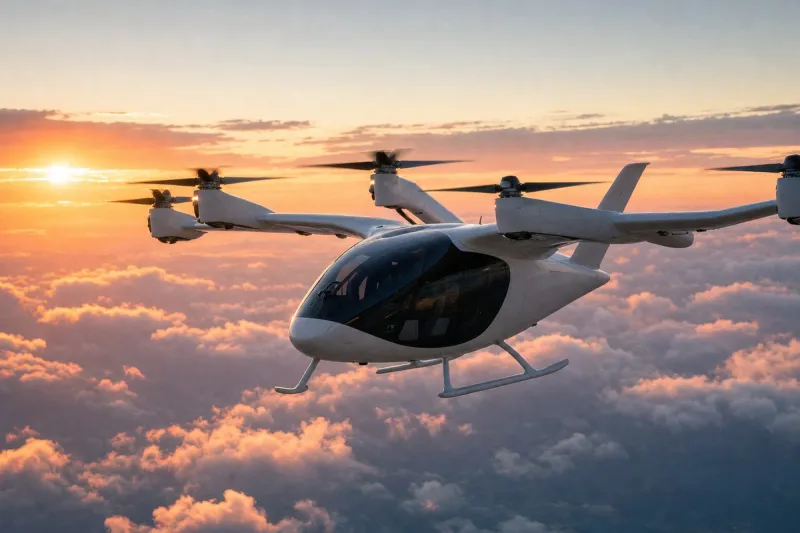
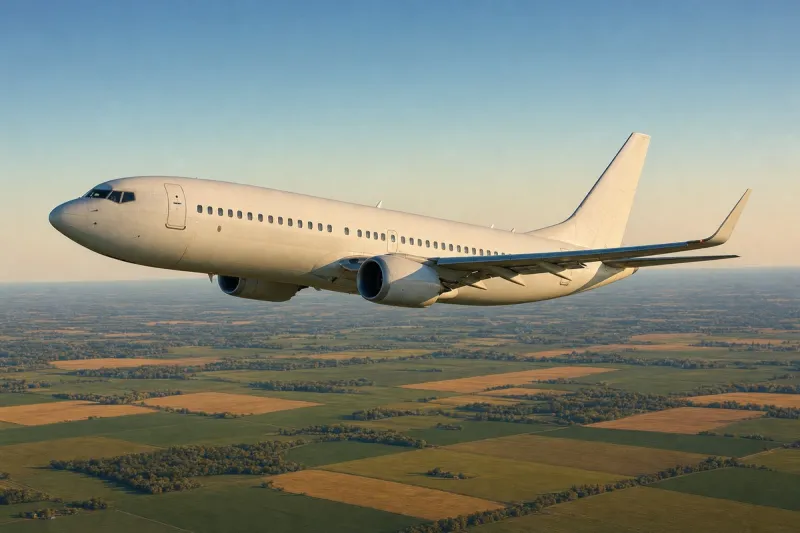
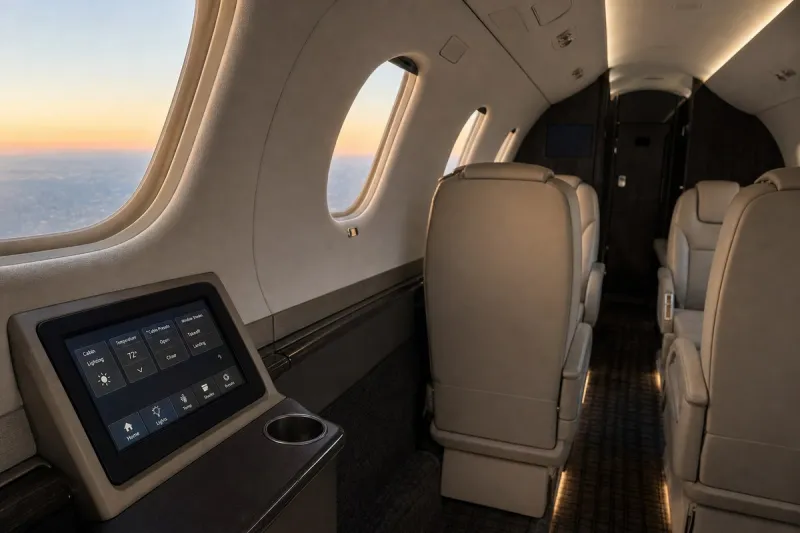
The service will initially link Dubai Marina and the Dubai International Airport Vertiport using two electric air taxis, with the fleet and network expected to expand in the coming years. The Dubai Marina vertiport, Dubai's second, was recently completed and certified, enabling what is described as the world's first permanent electric air taxi route between two dedicated locations. Joby Aviation's electric aircraft, capable of speeds of up to 322kph with zero operating emissions, is expected to cover the journey in under 10 minutes.
Authorities have been running piloted tests and completed the UAE's first point-to-point air taxi flight between Margham and Al Maktoum International Airport in November 2025. A third vertiport is under construction in Downtown Dubai, and a fourth is planned for the Palm Jumeirah. The RTA has worked with aviation officials to build a system for air taxis and aims to become the world's first commercial provider.
On autonomous transport, the authority wants 25 per cent of its transport to be self-driving by 2030, including 4,000 robotaxis and around 200 driverless buses on a dedicated route. The Dubai Autonomous Zone in the Festival City area has completed its first phase and will be fully operational by the end of 2027, covering robotaxis, water transport and buses. Al Awadhi said the aim is not to replace bus and taxi drivers but to use autonomous technology to support the city's growth.