Joby and Archer Both Turn to Defense Acquisitions as eVTOL Commercialization Timelines Remain Uncertain
Why It MattersBoth leading eVTOL developers are seeking defense revenue as civil certification timelines stay uncertain and consumer eVTOL economics remain unproven, signaling that near-term commercial income is thin.
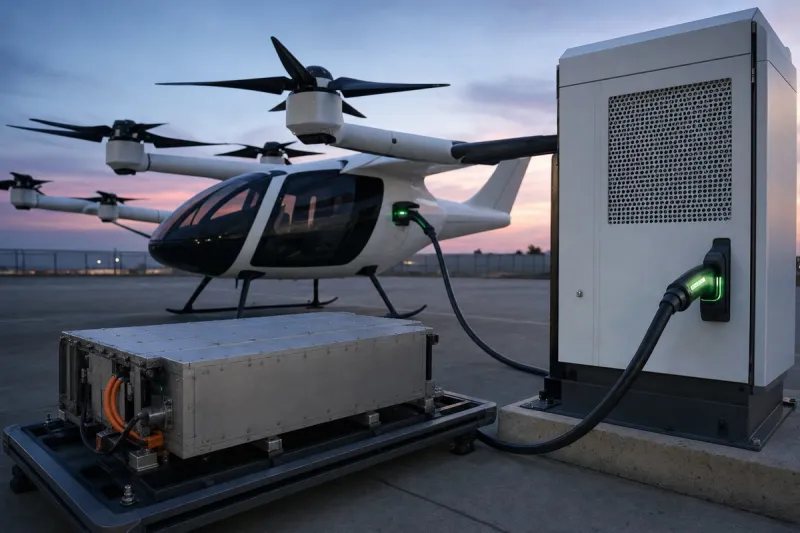
Joby Aviation and Archer Aviation, two front-runners in the electric vertical takeoff and landing (eVTOL) industry, are pivoting toward defense acquisitions as commercial certification timelines remain uncertain and consumer-market economics are unproven.

In August, Joby said it remains on track to acquire defense specialist Resonant Sciences in a $500 million all-cash deal, alongside plans to raise $750 million by selling new common stock. Archer disclosed an agreement to acquire three subsidiaries from Boeing: autonomous eVTOL developer Wisk Aero, air-traffic-management software provider SkyGrid, and drone specialist Insitu. Upon closing, Boeing will hold approximately 16.5% of Archer after accounting for the new shares issued to fund the transaction.
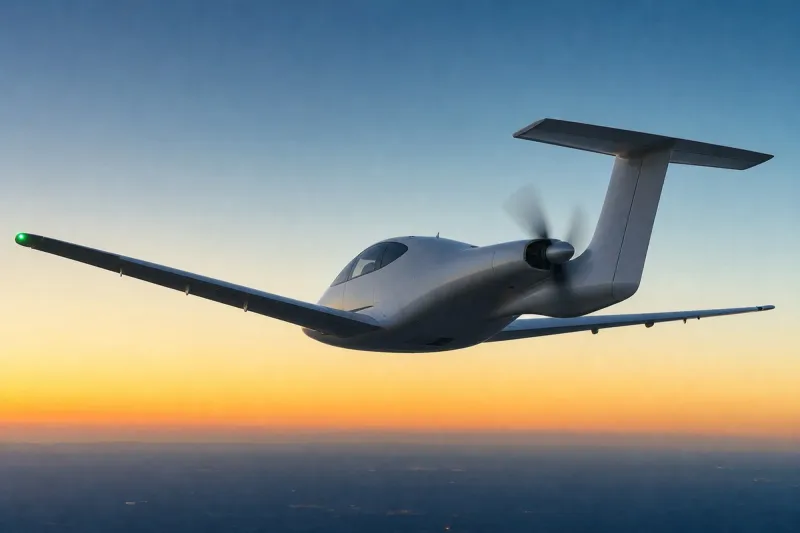
For Archer, the defense push carries greater urgency. The company lags in commercial readiness and faces unresolved technical and regulatory milestones. Archer says it is ahead of Joby in securing Federal Aviation Administration approval, but Joby's completion of type inspection authorization for production-ready aircraft has complicated comparisons. Recent Midnight flights around San Francisco used conventional runway takeoff rather than vertical takeoff transitioning to horizontal flight, and the timeline for a piloted transition flight remains unclear.
Joby also has reason to pursue defense revenue, since civil eVTOL approval could take longer than investors expect and consumer eVTOL services are untested. Both companies have formed manufacturing partnerships with major automakers. Joby trades at a forward price-to-sales ratio of roughly 38, versus about 200.5 for Archer. Neither is growing revenue organically: Joby's top line this year is driven largely by its acquisition of helicopter operator Blade, while Archer's revenue comes primarily from its purchase of Hawthorne Airport in the Los Angeles area.