Manistee Blacker Airport Drops Landing Fees for Light GA Aircraft, Shifts to Ramp and Landside Charges
Why It MattersSmall airports funding operations through fees on light aircraft face scrutiny on cost basis and fairness, and charging for facility use rather than bare landings is a more defensible structure.
What happened
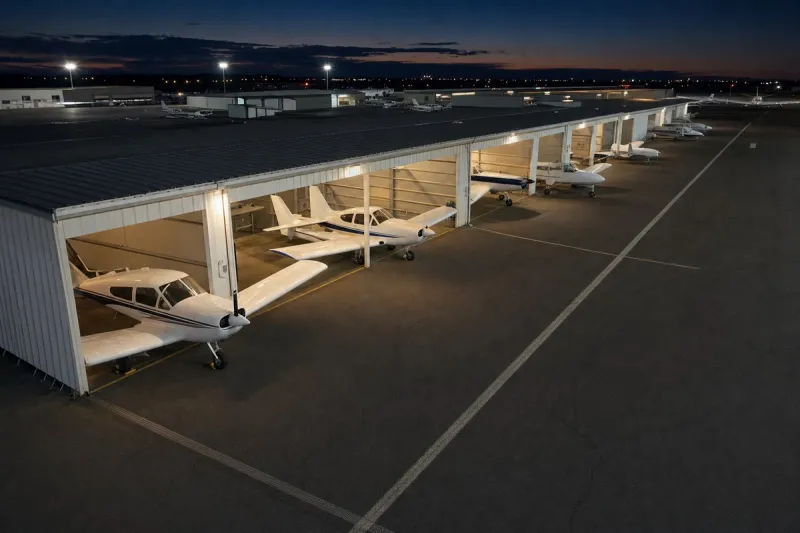
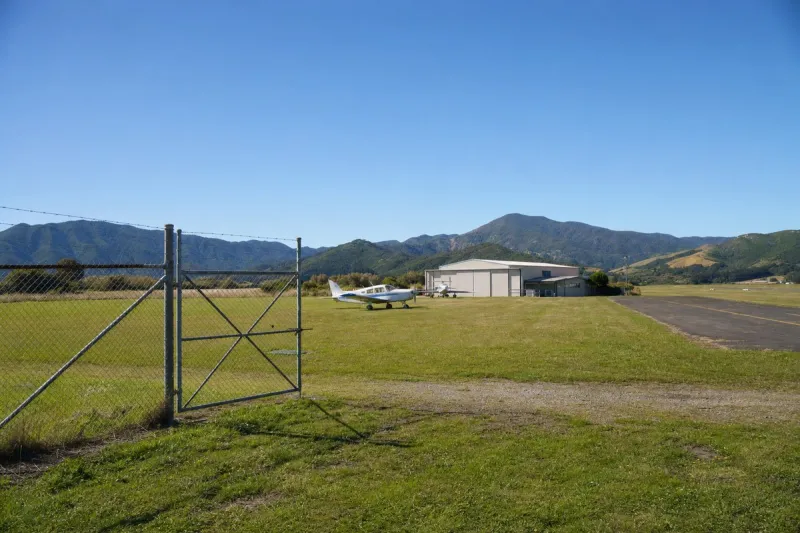
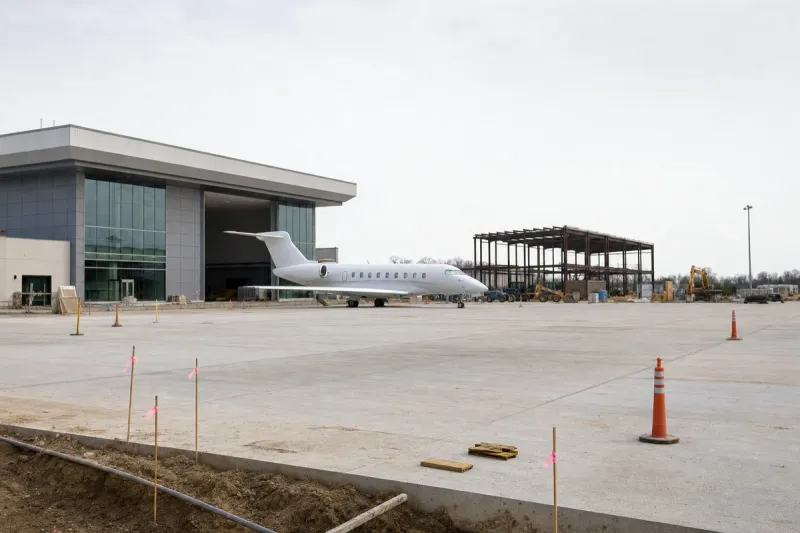
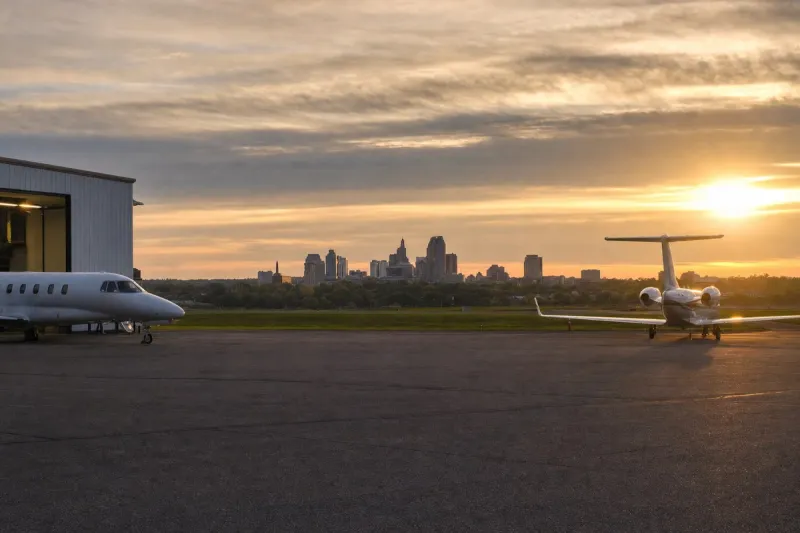
Manistee County/Blacker Airport in northern Michigan has dropped its recently introduced landing fees for light general aviation aircraft and replaced them with charges tied to ramp parking and landside access. The Manistee Blacker Airport Authority approved the change on Oct. 12, allowing aircraft to land and depart without incurring the new facility fee if they do not use those services.
The original policy was approved in August. It set weight-based landing fees starting at $10 for aircraft under 6,000 pounds and rising to $30 for aircraft weighing between 6,000 and 12,500 pounds. Annual increases were scheduled through 2031, and the fees were initially to begin Oct. 1.
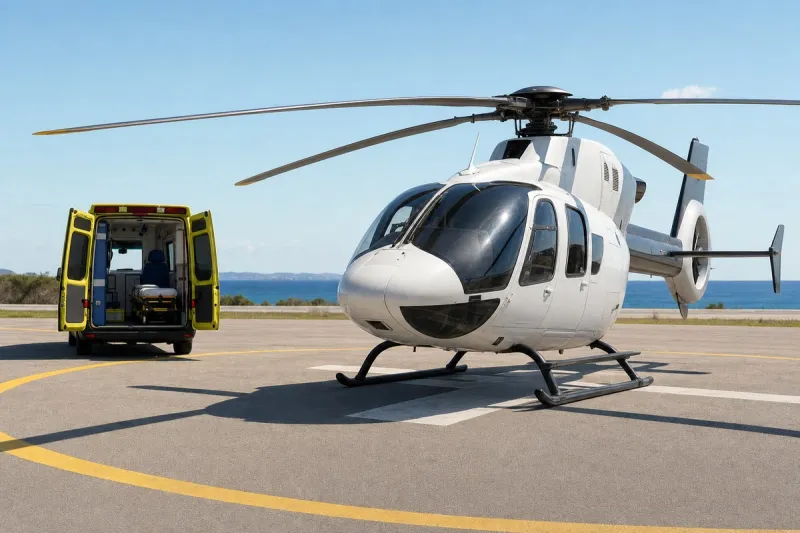
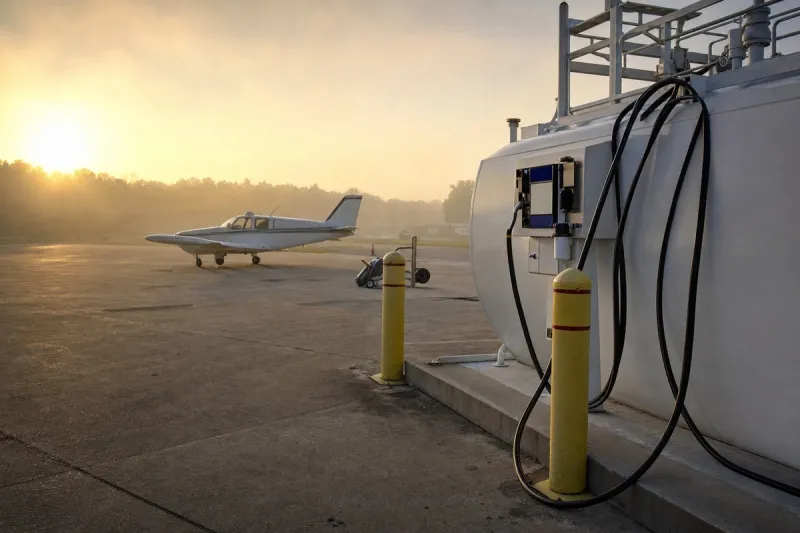
Under the revised schedule, the airport will continue collecting fees from operators who park on its ramp and use landside access. The change distinguishes those operations from aircraft that use the airport only for takeoffs and landings without accessing ground facilities. Orchard Beach Aviation provides FBO services at the airport.
AOPA said it challenged the original charges and requested information about the airport's cost calculations. The organization questioned whether the fees appropriately reflected the true expenses associated with lighter aircraft and suggested that charges for ramp or facility use would be more appropriate. Airport officials previously defended the fee structure, citing increasing local investment and the need for airport users to contribute to operating costs.
"The airport authority and staff do want to thank everyone who provided productive feedback and to AOPA for their insight and perspective," Airport Director Miles Weaver said in comments published by AOPA.
Industry impact & what to watch
Landing fees on the lightest aircraft sit in a awkward spot for federally obligated airports. Under the FAA's policy, such airports may collect reasonable charges from aeronautical users but must meet requirements on fairness and nondiscrimination, so a fee has to be defensible against the cost of serving the aircraft that pays it. A $10 charge on a light single is easy to question on that basis, particularly when the airport has not shown how it arrived at the figure.
The Manistee outcome shows a common resolution in this segment. Tying charges to ramp parking and landside access links the fee to a service actually consumed, which sits more comfortably with cost-reflective pricing than a levy on the act of landing. It also leaves transient and training traffic that only uses the runway outside the fee base, while still giving the airport a way to recover costs from users of its ground facilities.
AOPA's role here follows a recognisable sequence: question the cost basis, request the airport's calculations, propose an alternative structure, and let the sponsor adjust. Other small airports weighing weight-based landing fees can expect the same line of questioning. The next point to follow is how the ramp and landside charges are applied in practice and whether the revised schedule keeps the annual increases that were set through 2031.