Semi-Private Pet Charter Seats Run $6,000–$11,000 Per Sector, but Operator Certification Does Not Cover Destination Import Rules
Why It MattersPart 135 certification governs how the aircraft is operated, not whether a destination admits the animal, so import and quarantine rules, not the seat sale, decide whether a pet-charter trip is feasible.
What happened
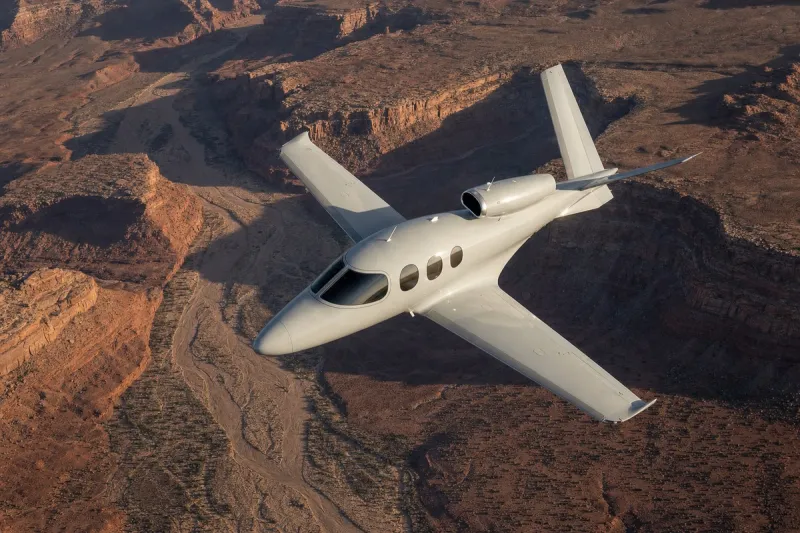
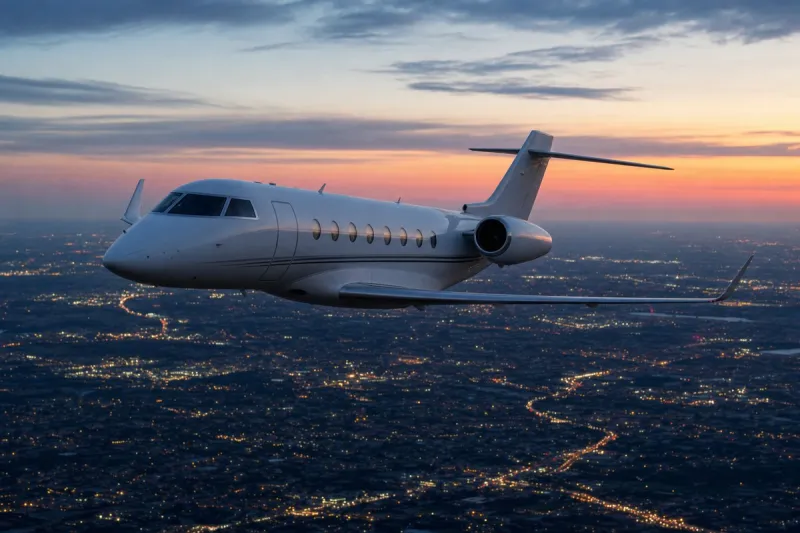
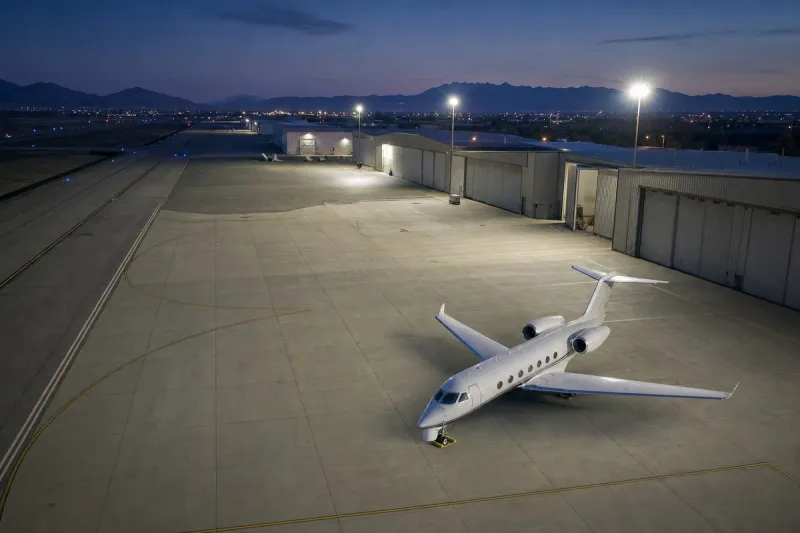
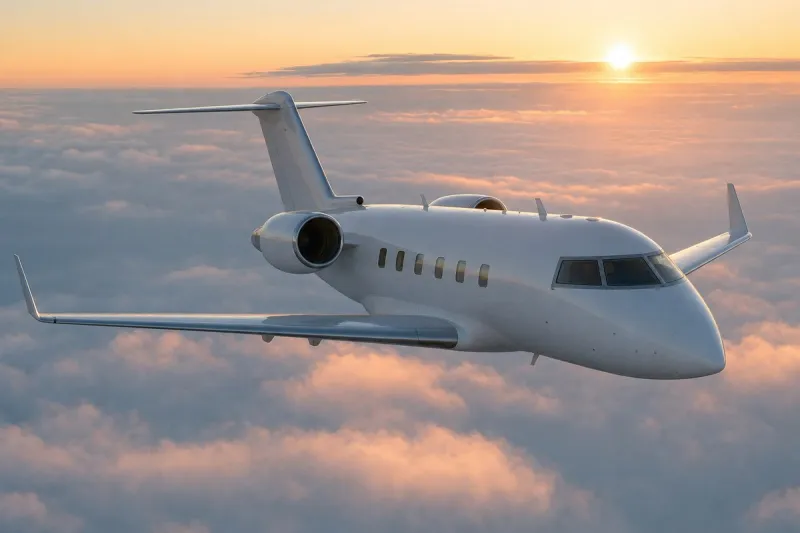
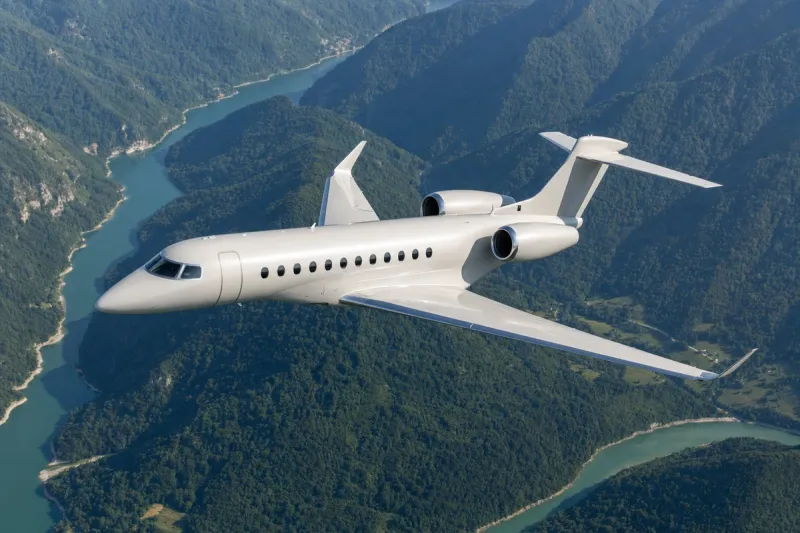
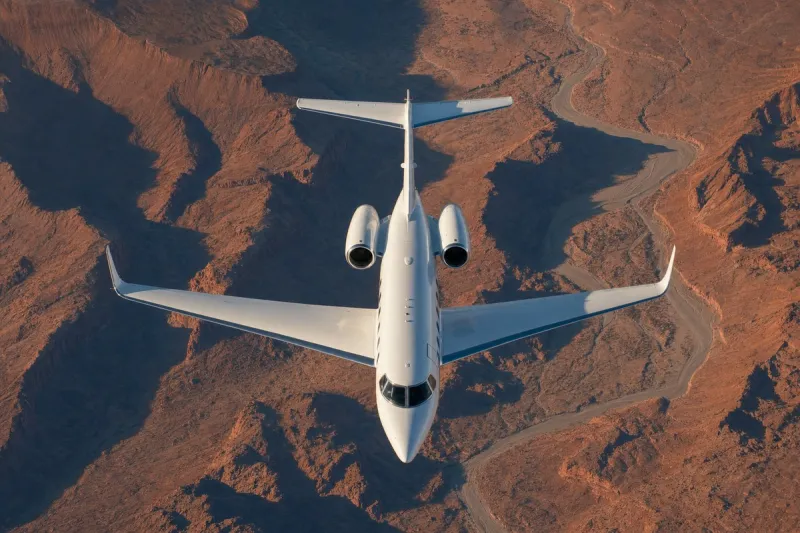
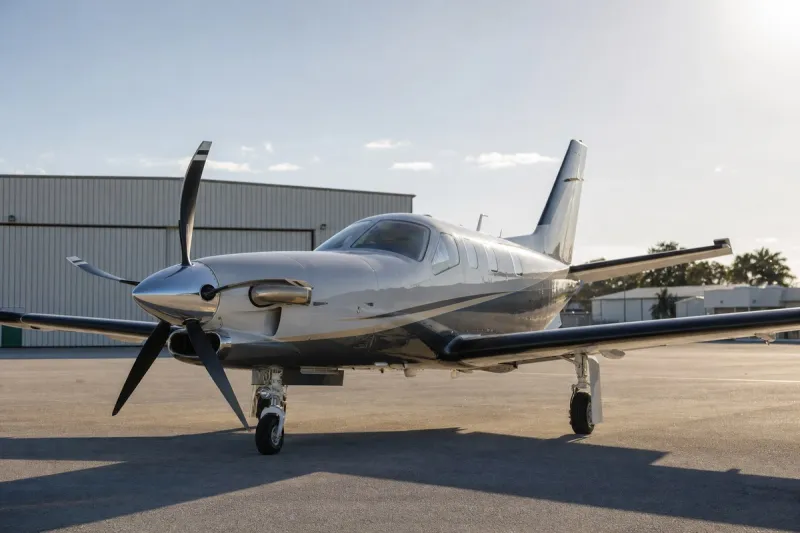
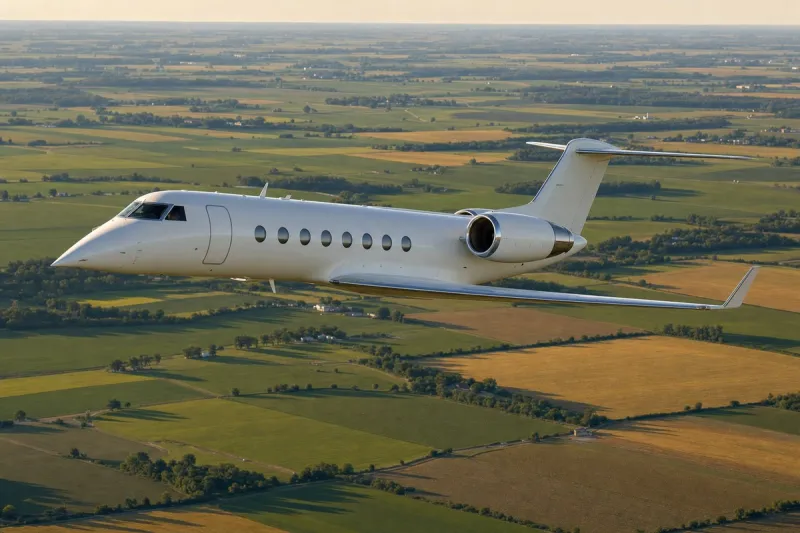
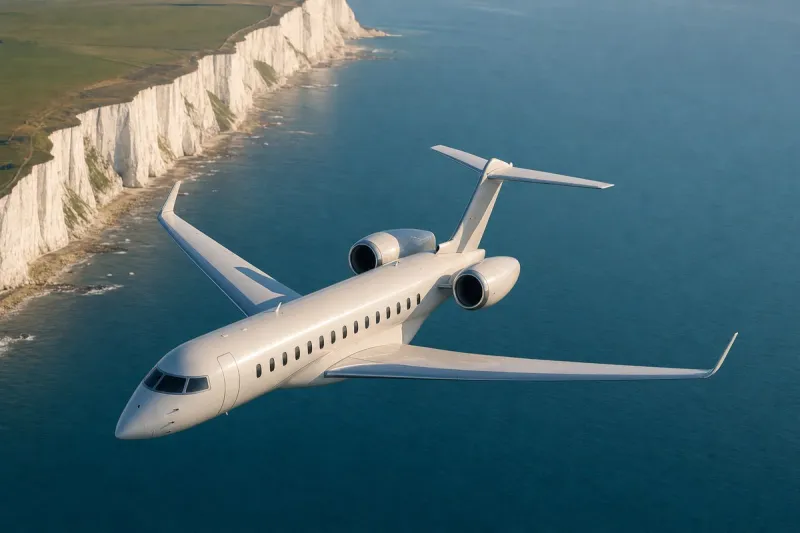
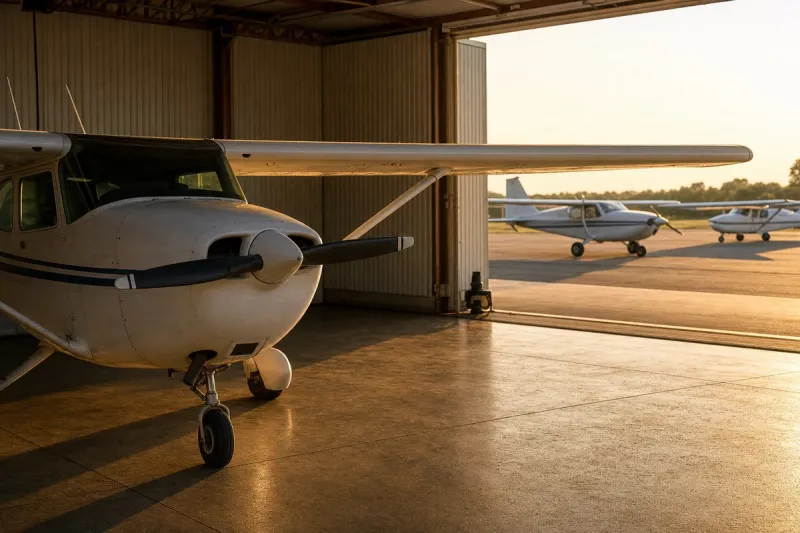
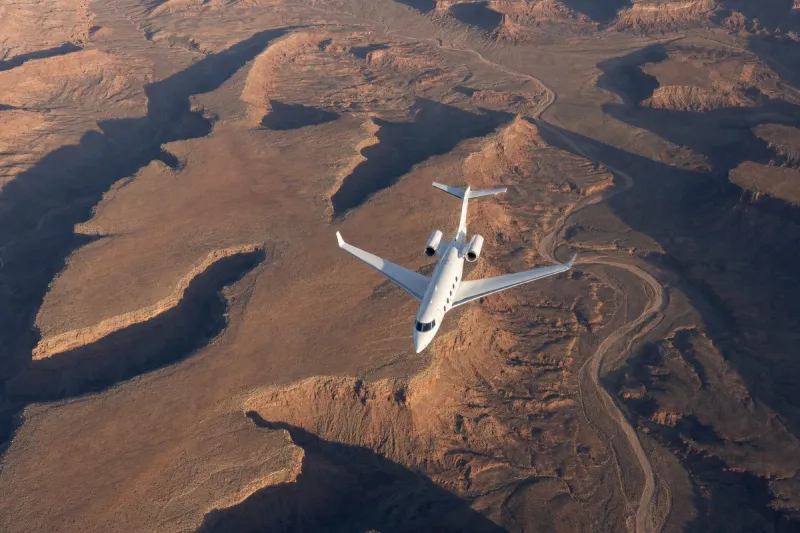
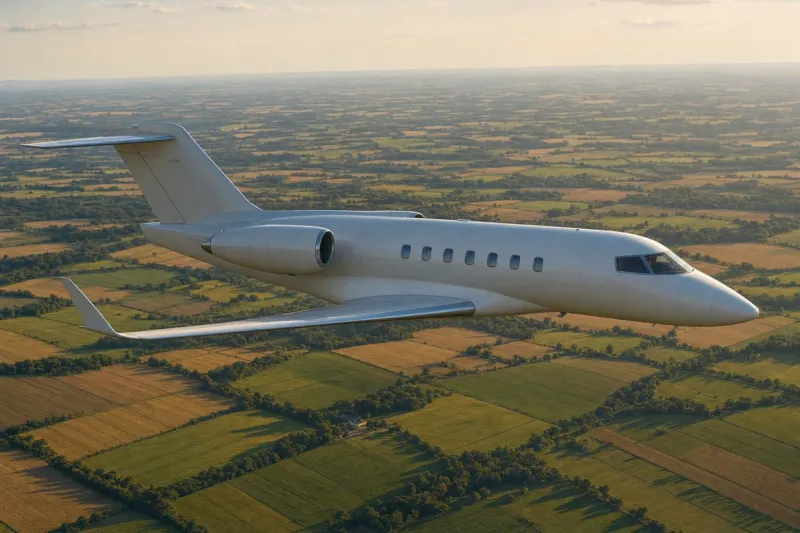
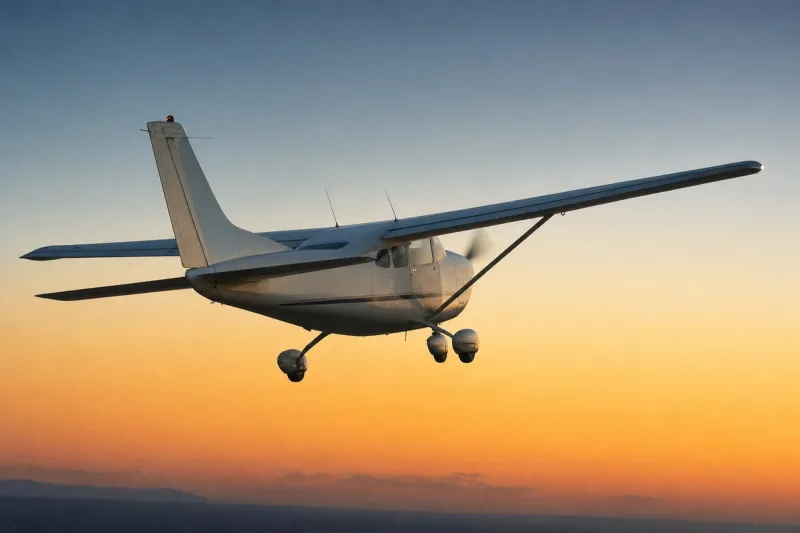
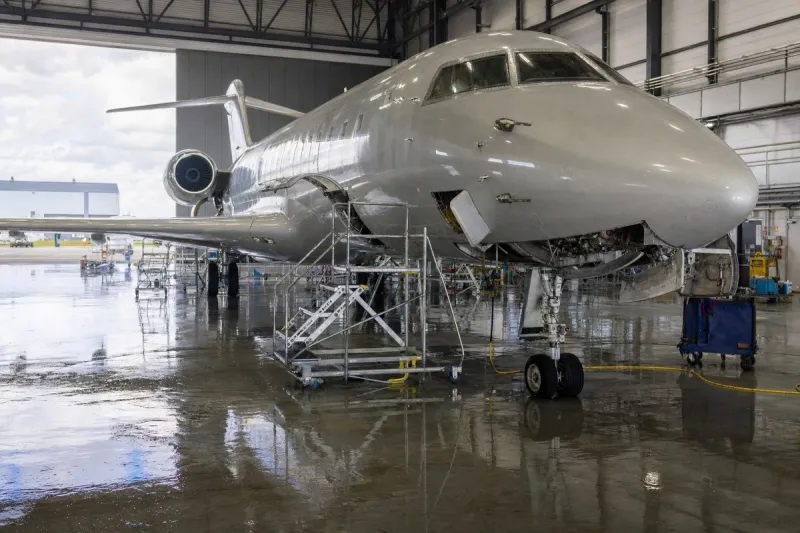
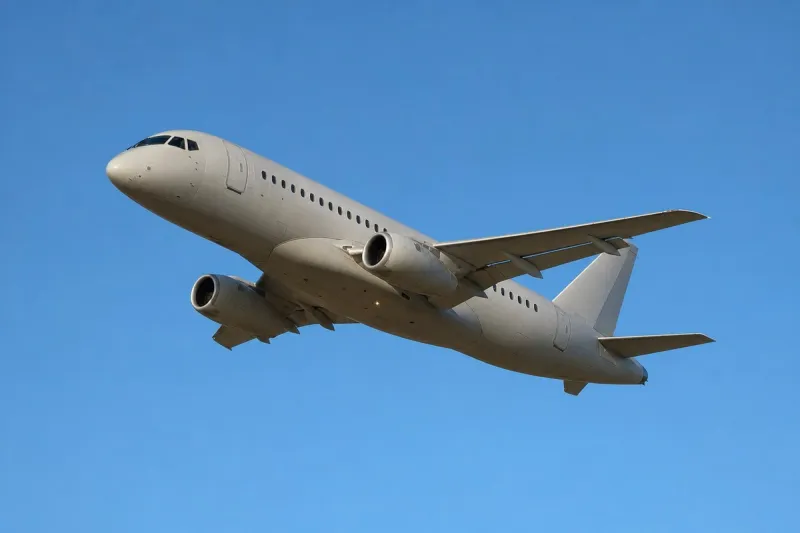
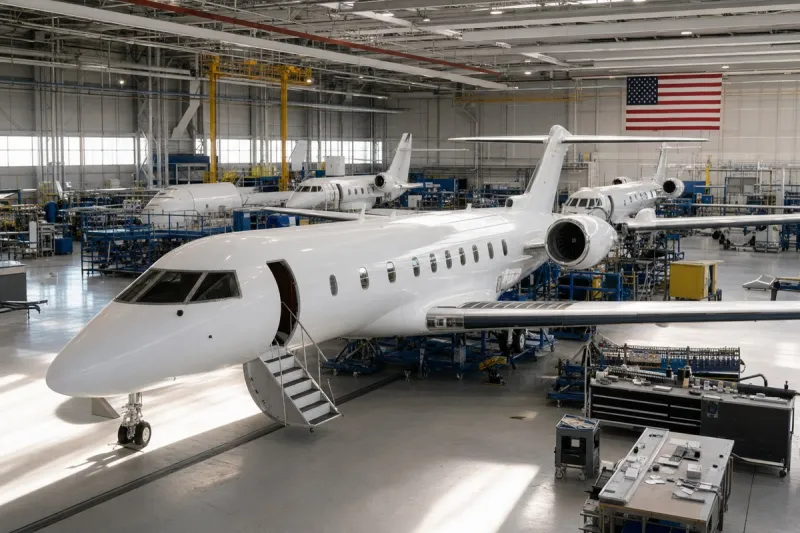
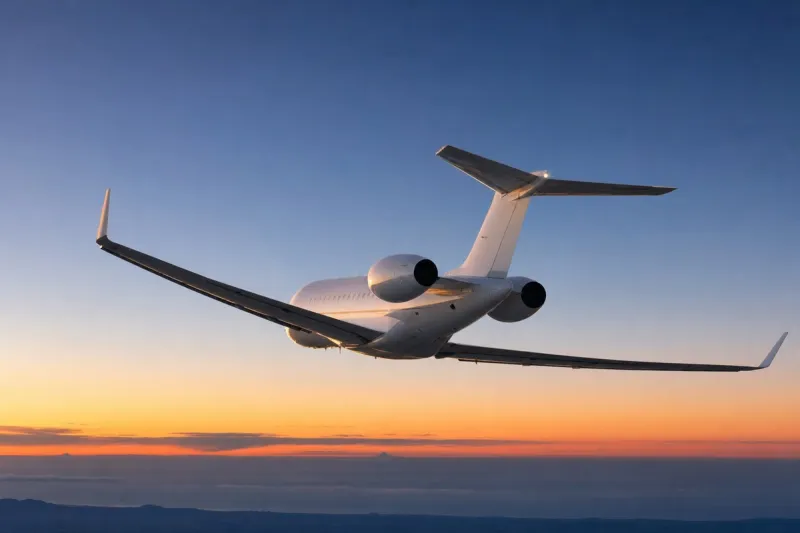
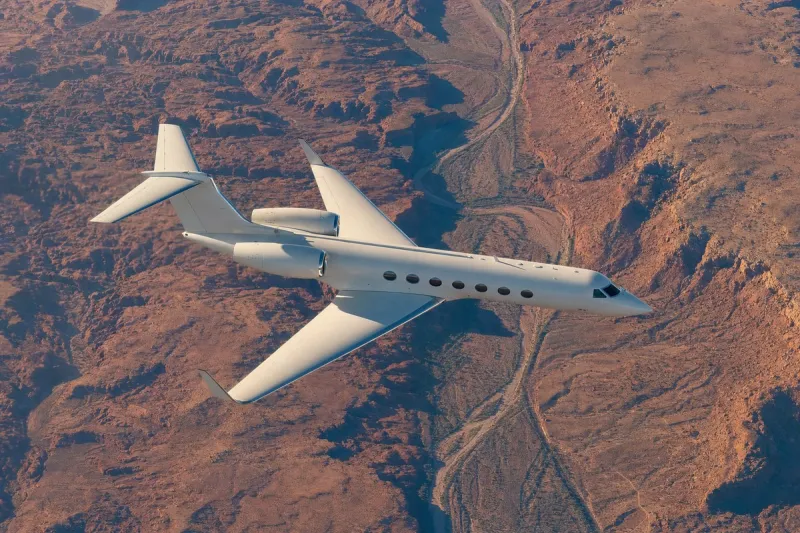
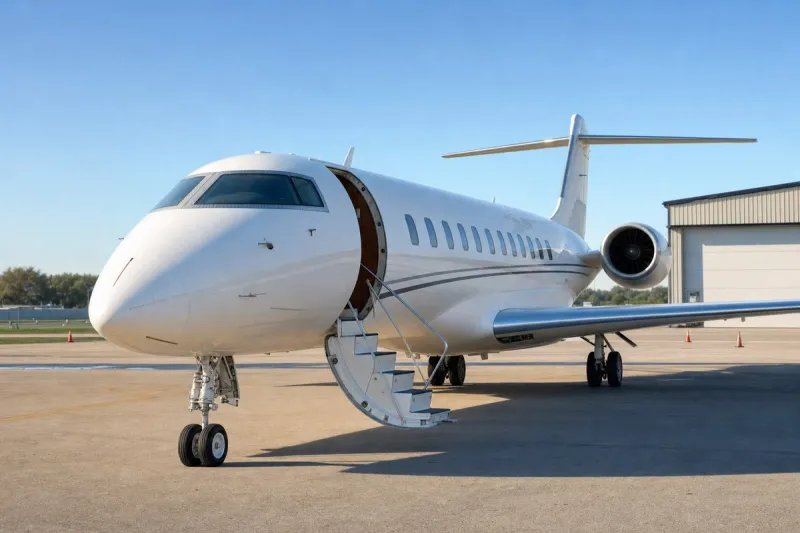
Semi-private pet charters sell individual seats rather than whole aircraft, allowing a dog to travel in the cabin beside its owner. Public charter brokers Bark Air and K9 Jets sell the seats, and the flights are operated by Part 135 licensed carriers, typically on Gulfstream or Bombardier aircraft.
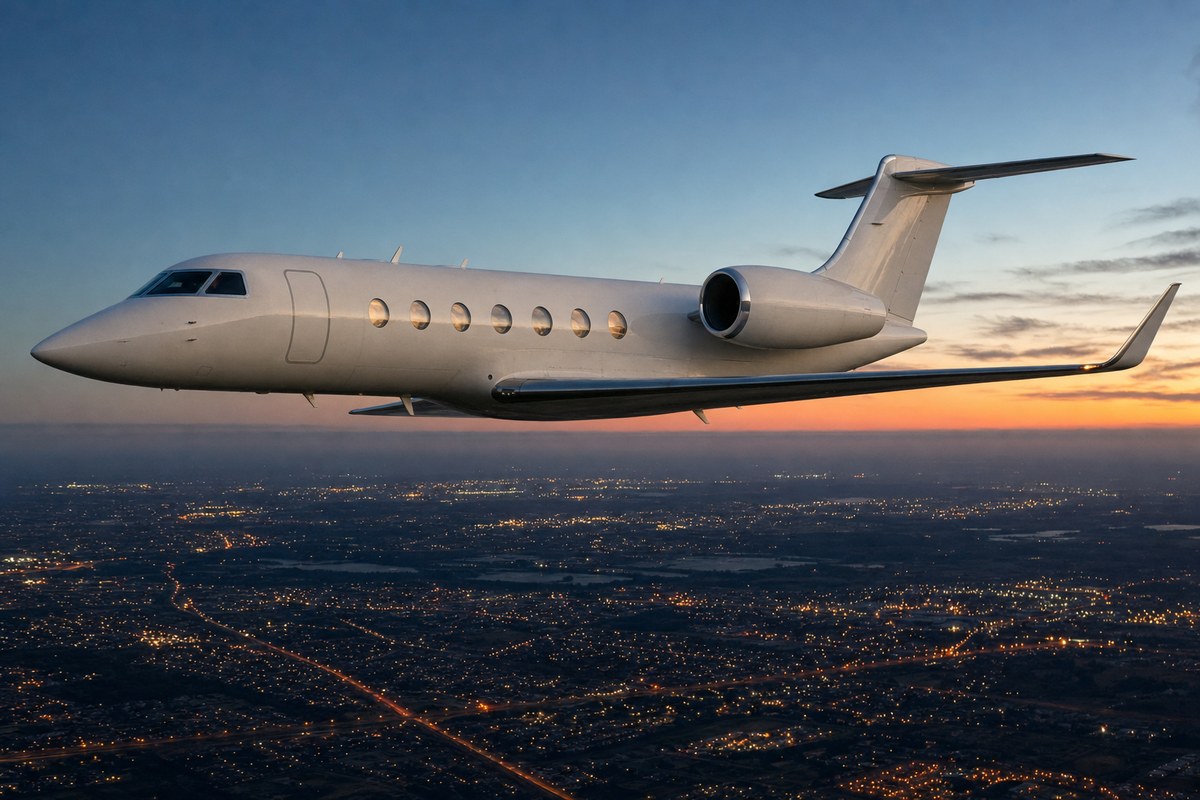
On international routes a shared seat usually costs $6,000 to $11,000 per sector, not per round trip, with the exact fare depending on the route, the operator and the pet's size requirements. The fare does not include quarantine or veterinary costs and does not guarantee admission at the destination.
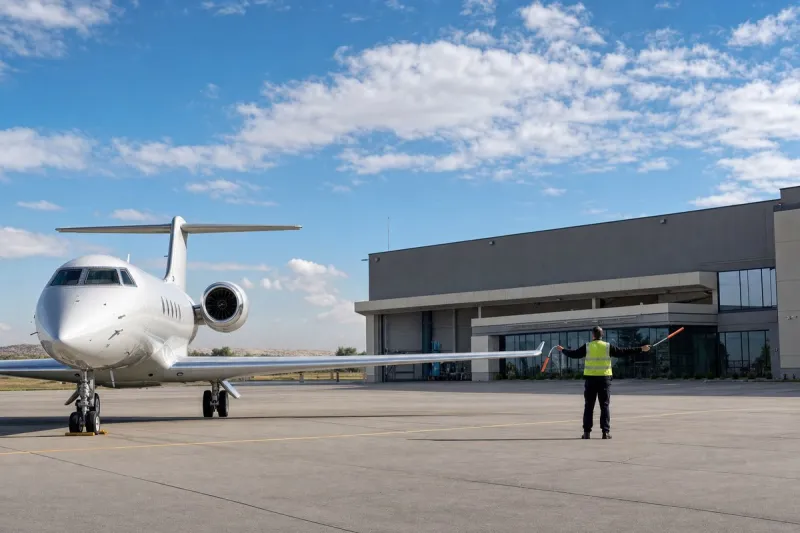
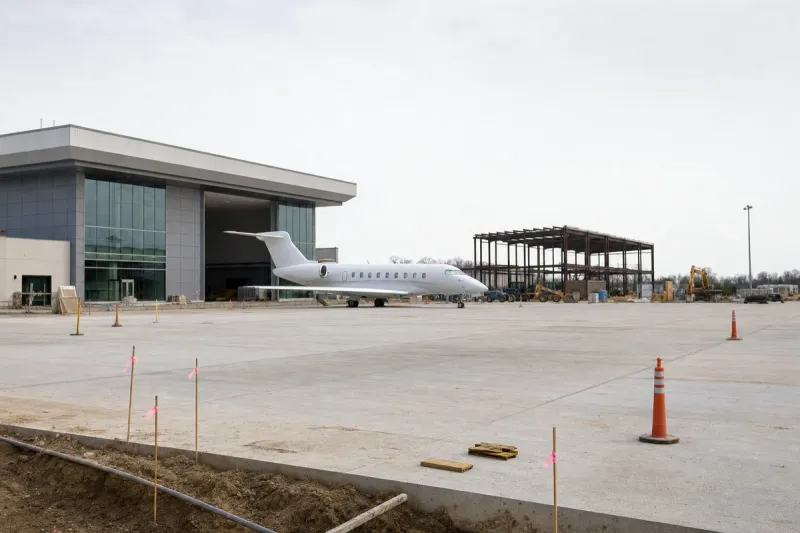
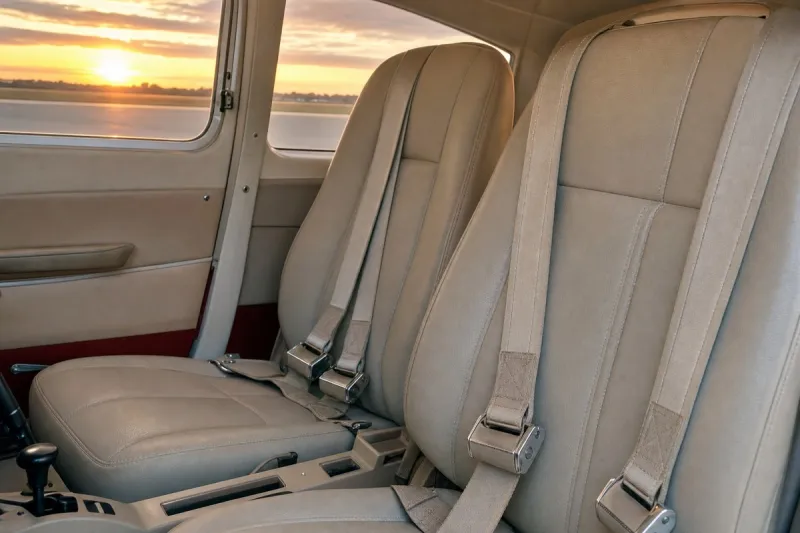
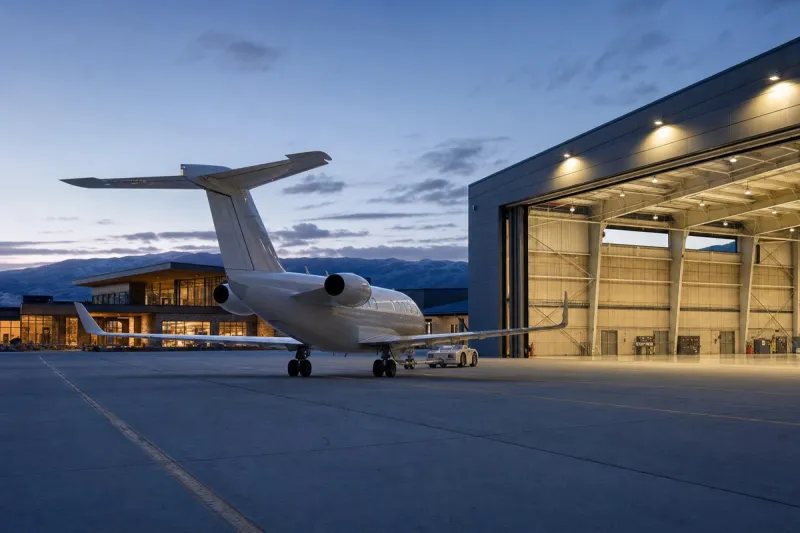
Boarding typically goes through a private terminal, or FBO. Cabin rules vary: some providers let smaller dogs move around, while most keep larger or more assertive animals leashed or confined to designated seating, and providers typically screen animals behaviorally. Some Bark Air and K9 Jets fares cover one human companion plus one dog within a set weight limit, and each operator publishes its own rules on pet size and number of animals.
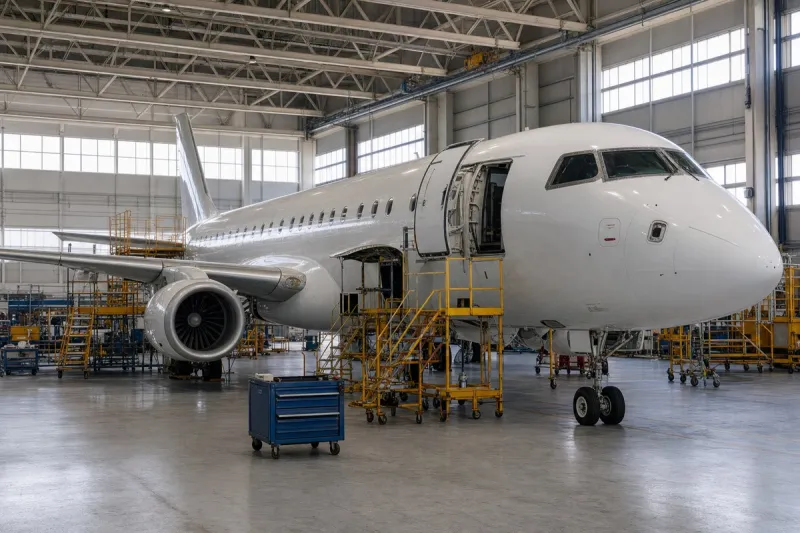
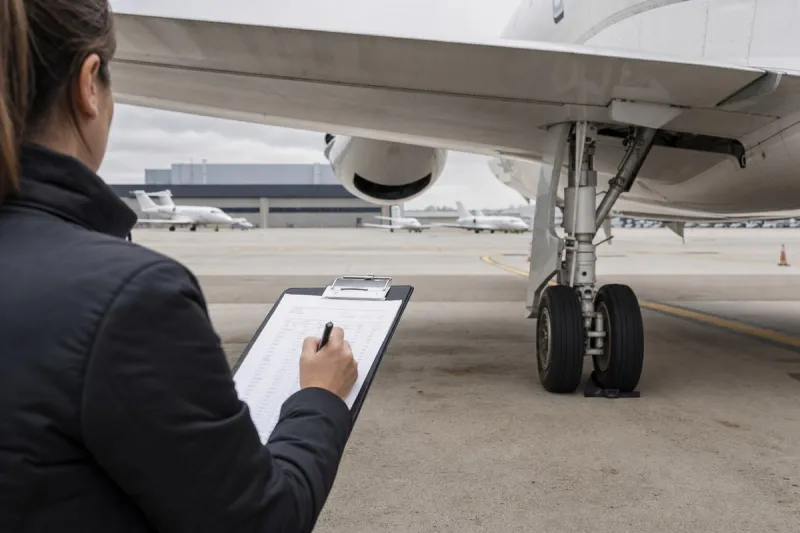
The Part 135 certificate, issued under Title 14 of the Code of Federal Regulations, covers how the aircraft is operated, including conditions in 14 CFR 135.25 such as registration, a current airworthiness certificate, identification and airworthy condition. FAA material does not say the certificate promises anything about animal care, a destination country's admission of animals, or an on-board welfare standard.
Destination rules in Asia-Pacific
Japan's Ministry of Agriculture, Forestry and Fisheries requires a rabies antibody result of at least 0.5 IU/ml, arrival at least 180 days after blood sampling, and advance notification to the Animal Quarantine Service at least 40 days before arrival. Inspection is normally completed within 12 hours when requirements are met, while noncompliant animals may be detained up to 180 days.
Australia's Department of Agriculture, Fisheries and Forestry requires rabies vaccination and proven immunity.
A commercial charter provider in Korea describes concierge coordination for Japan and Southeast Asia, but that is a different company from Bark Air and K9 Jets.
Industry impact & what to watch
The pet-charter model sells a cabin seat and a private-terminal experience, while the legal gatekeepers sit elsewhere. An operating certificate speaks to the aircraft and how it is flown; admission of an animal is decided by the destination's agriculture and quarantine authorities, on timelines that run to 180 days in Japan's case. For Asia-Pacific routes, the fare is therefore the smaller part of the planning problem.
Two points remain open on the record: no independent, audited safety comparison exists between pet-charter operators and traditional private charter or commercial pet transport, and nothing shows Bark Air or K9 Jets arranging destination permits, rabies-titer testing or quarantine space. Whether either sells on an on-demand or fixed-route basis on a given route also remains unsettled, and the operators' published pet-size and animal-count rules are where that would first be visible.