Vickers Aircraft USA Announces FAST4, a Four-Seat Carbon-Fiber Piston Single Targeting 235 KTAS
Why It MattersPairing a new clean-sheet piston single with a still-uncertified sister aircraft shows how newer light-aircraft entrants lean on shared components and MOSAIC-era rules to spread certification and tooling cost.
What happened
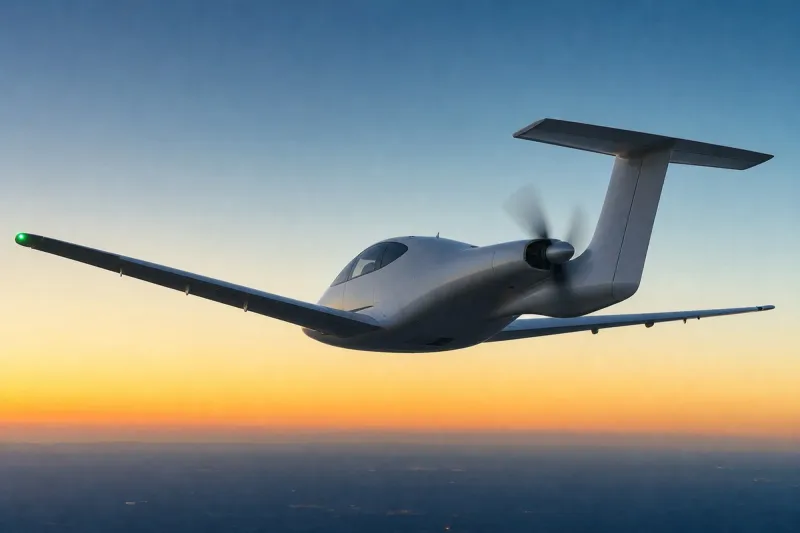
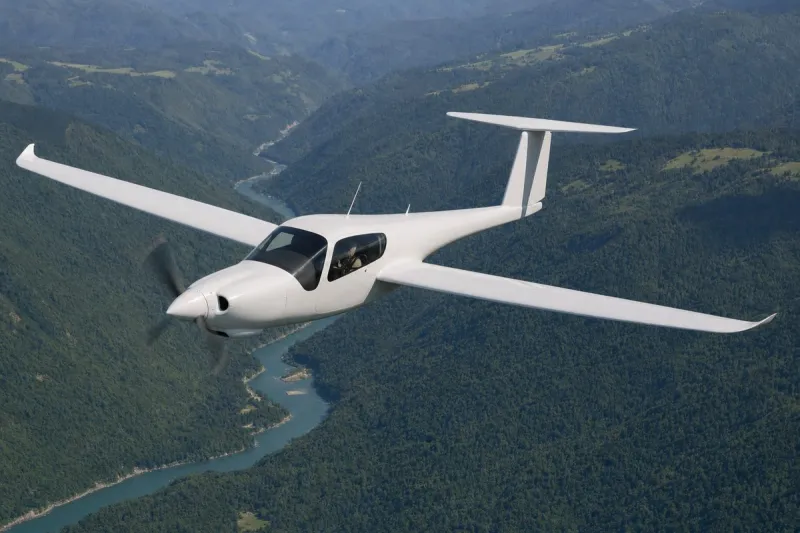
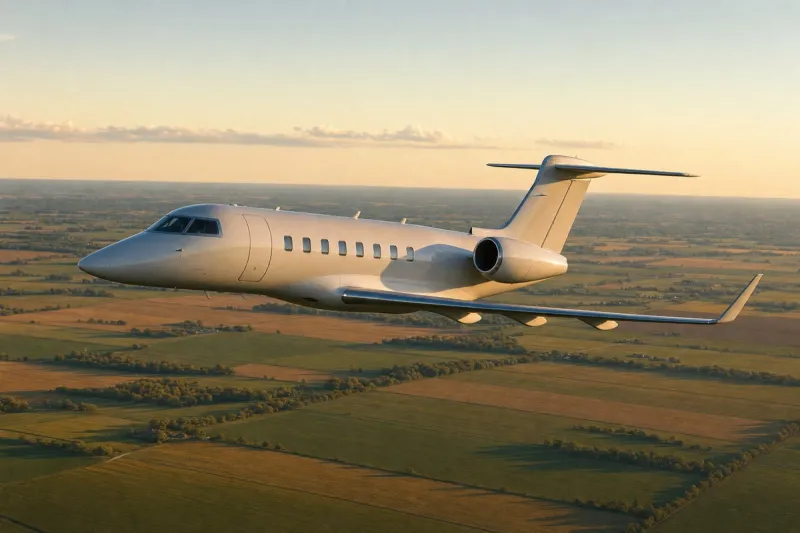
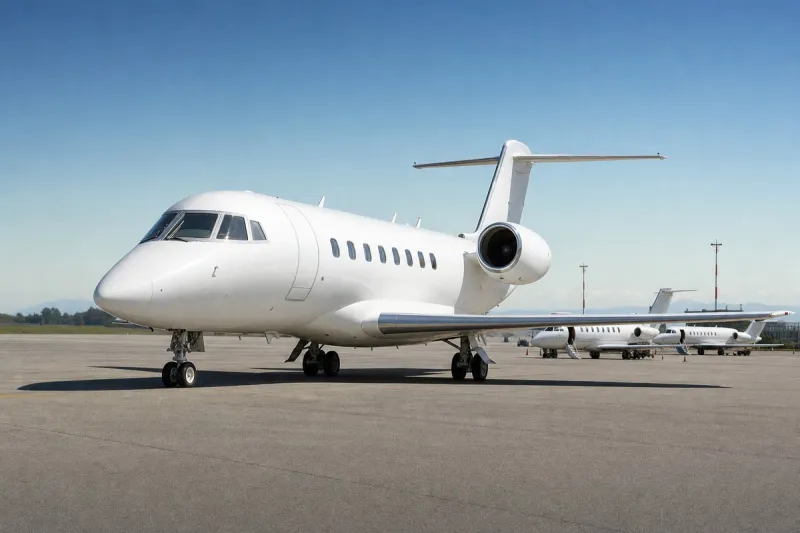
Vickers Aircraft USA on Thursday announced plans to develop the FAST4, a four-seat, single-engine piston aircraft targeting a maximum cruise speed of 235 KTAS and a range of 1,300 nautical miles. The low-wing aircraft will feature an all-carbon-fiber airframe and folding wings.
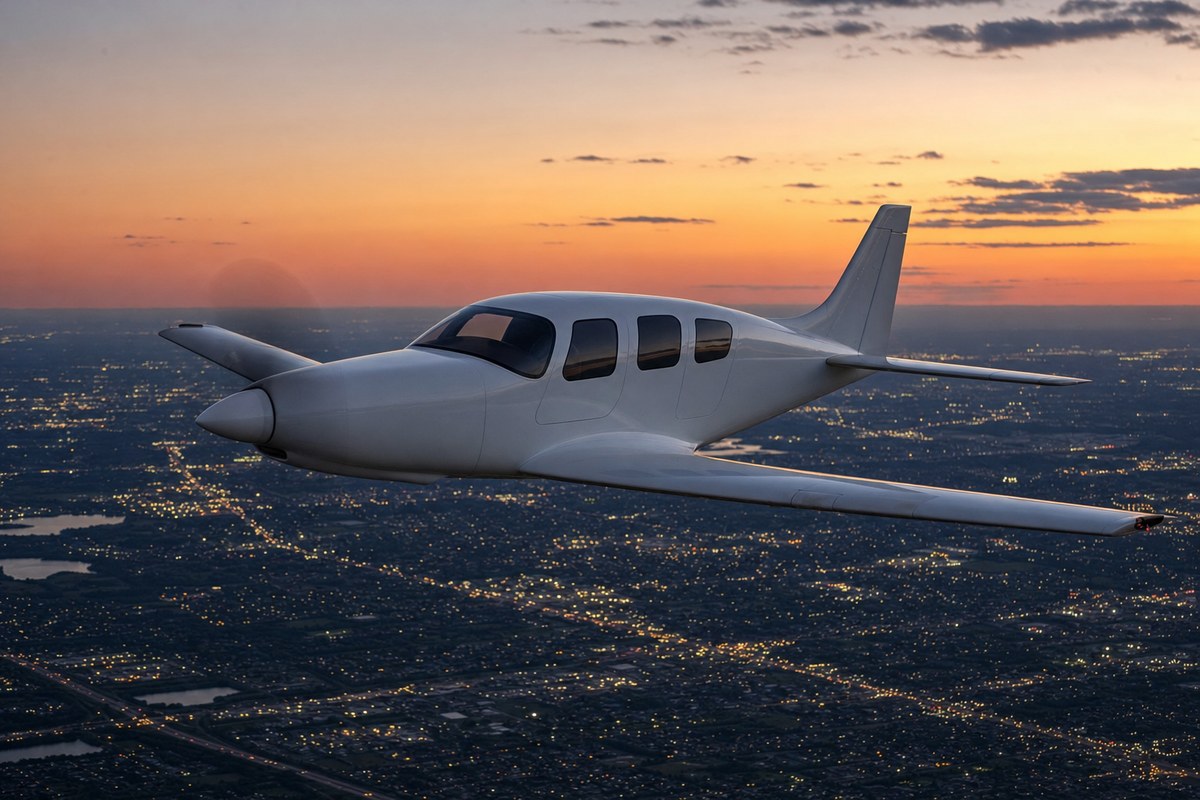
The company is targeting a useful load of 1,520 pounds and fuel capacity of 102 gallons, and is designing the aircraft to carry four adults with full fuel over its projected range. The folding wings are expected to reduce required hangar space by 50%. Plans also call for IFR capability and a BRS whole-aircraft parachute system, and Vickers is considering Garmin AXIS flight displays and Autoland technology.
The FAST4 draws on technology developed for the company's WAVE amphibian, which completed flight testing in 2023 and is currently in its certification phase. Vickers said it plans to use common components and systems across both aircraft to reduce development and manufacturing costs, and that it has conducted destructive testing of its carbon fiber manufacturing technology.
"FAST4 has been on our drawing board for some time," CEO Paul Vickers said. "We have monitored what pilots are asking for: performance, useful load, range, safety in an aircraft that is affordable to own. Now we are bringing those ideas together in one exciting new aircraft."
Vickers intends to manufacture both aircraft in the United States, and discussions are underway with several states about a potential production site. The company expects to benefit from the FAA's MOSAIC regulations, which introduced expanded aircraft certification requirements under Part 22 in July.
Industry impact & what to watch
Small piston singles are expensive to bring to market because each new type carries its own certification, tooling and supplier overhead. Sharing components and systems between two airframes, as Vickers describes for the FAST4 and the WAVE, is one way a small manufacturer tries to spread those fixed costs across more than one product. The approach depends on the first aircraft clearing certification, which is why the WAVE's progress through that phase matters to the second program.
The regulatory backdrop is part of the pitch. Vickers says it expects to benefit from MOSAIC, and the expanded certification framework under Part 22 that took effect in July is the context in which new light-aircraft projects are now being announced. A four-seat aircraft with a stated useful load and range aimed at owner-pilots addresses a segment where buyers weigh performance against ownership cost.
The next milestones are the ones Vickers has yet to announce: an engine selection, pricing, a first-flight date and a production timeline, along with the choice of a U.S. production site from the states now in discussions.