UK Government and Rolls-Royce Plan £2.5bn, 10-Year Jet Engine Technology Programme
Why It MattersEngine partners for new narrowbodies are chosen years before aircraft launch, so state-backed technology funding now becomes part of the contest for a place on mid-to-late-2030s single-aisle platforms.
What happened
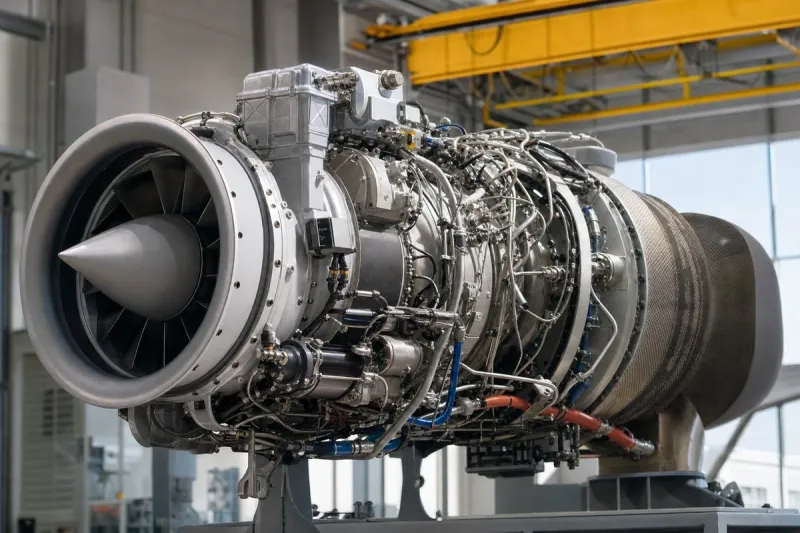
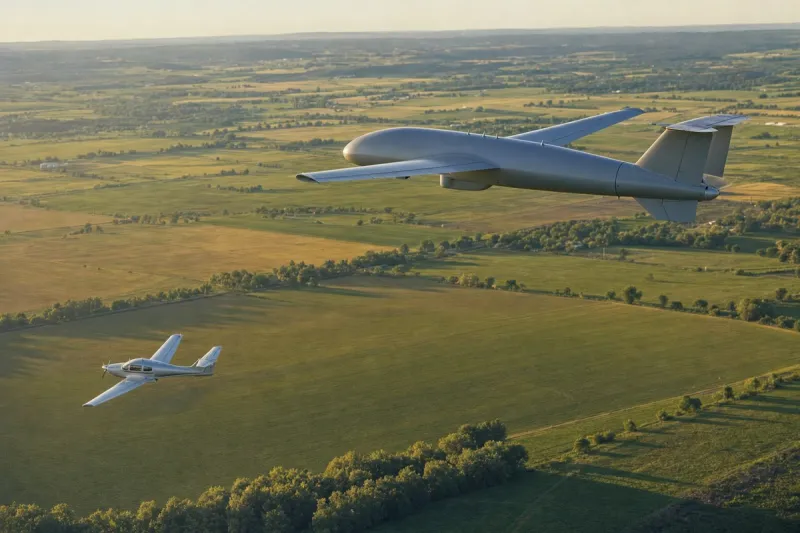
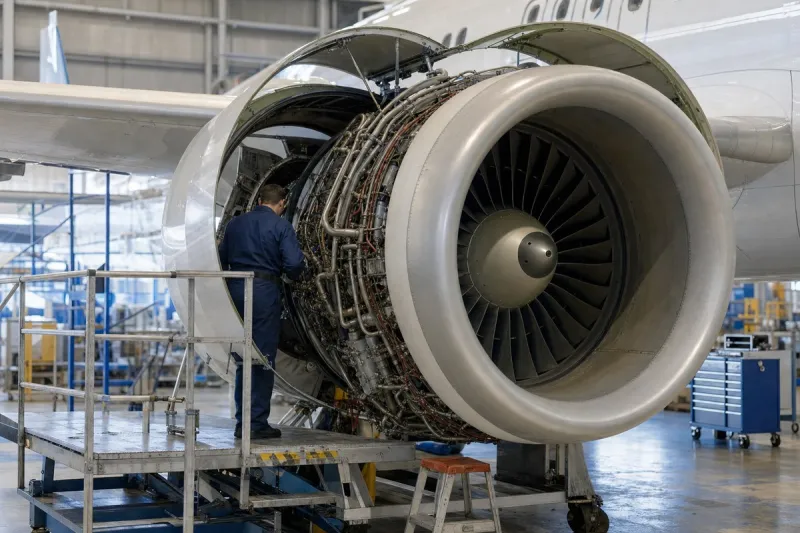
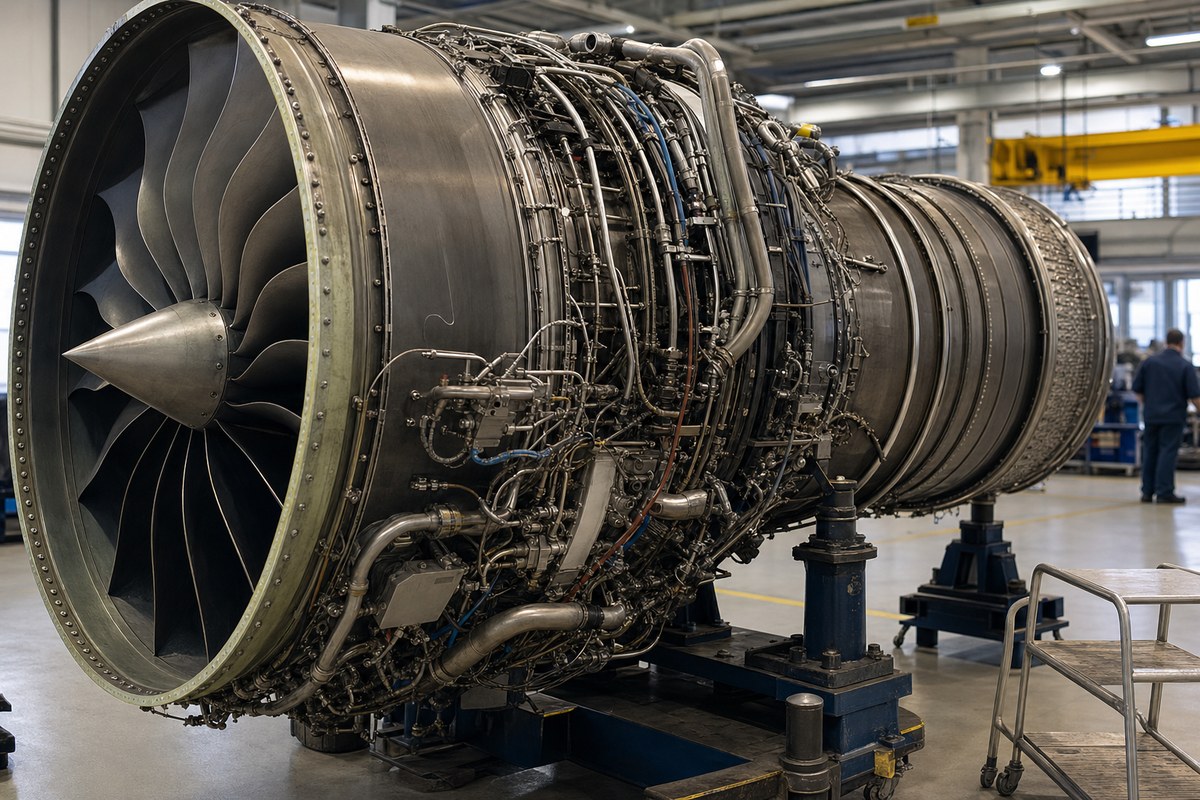
The UK Government and Rolls-Royce announced plans for a joint 10-year, £2.5bn research and technology programme to develop gas turbine technologies for civil and defence aerospace. The programme would advance more efficient, lower-emission jet engine technologies, including through an engine demonstrator project, as Rolls-Royce seeks a UK engine position on the next generation of narrowbody (single-aisle) commercial aircraft. It would also sustain development and testing capabilities and support the UK's sovereign defence aerospace capabilities.
New narrowbody aircraft are expected to enter commercial service in the mid-to-late 2030s, with manufacturers selecting engine partners over the next few years ahead of potential aircraft launches around the turn of the decade. The UK Government's Industrial Strategy identifies the narrowbody market as the single biggest growth opportunity in aerospace over the next 50 years. Rolls-Royce said securing a UK engine position could add £120 billion to the UK economy over the programme's lifetime and create tens of thousands of skilled jobs, along with new advanced manufacturing facilities.
Delivering the initial stages of the plan, which is subject to a final agreement, would support 3,300 UK jobs at Rolls-Royce and supply chain partners by the end of 2029. Rolls-Royce and the Government will develop a jobs and skills plan, and UK university departments would carry out new research. Rolls-Royce expects to invest significantly more than the Government across the narrowbody programme. If its technologies are chosen by airframers, it aims to re-enter the narrowbody market in partnership and select UK sites for assembly and test facilities for the new engine.
Rolls-Royce CEO Tufan Erginbilgic called it a landmark moment for UK aerospace. The company currently supports more than 73,000 UK jobs, including 23,000 at its 37 own sites, and spends over £2bn with more than 1,350 British suppliers. It sells about 80% of what it makes in the UK overseas, worth £8bn in annual exports, and its Trent XWB engine, made in Derby, has generated more than £30bn in UK export value.
Industry impact & what to watch
Engine selection on a new airframe is decided long before the aircraft flies. Partners are picked in the next few years, ahead of launches around the turn of the decade, so the technology that is demonstrated and funded now shapes who sits on a platform that will serve for decades. A government-backed demonstrator programme is one way an engine maker tries to arrive at that selection with proven hardware and a credible industrial footprint.
The structure of the proposal also shows how engine economics tend to work. The company would carry the larger share of the investment, while public money covers research capability, testing facilities and university work. Tying funding to jobs, supply-chain spending and site selection for assembly and test turns an engineering programme into an industrial-policy one, and that framing matters when airframers weigh where production and final assembly will sit.
The agreement is not final, and the outcome depends on whether airframers choose Rolls-Royce's technologies. The final agreement and the airframers' engine-partner decisions in the coming years are the two milestones that will settle whether the narrowbody re-entry goes ahead.