Pakistan closes airspace to Taiwanese airlines, citing One China policy
Why It MattersOverflight access can now be withdrawn on political grounds, so carriers on Asia-Europe routes must weigh the diplomatic alignment of states along a path alongside distance, fuel and fees when planning.
What happened
Pakistan has closed its airspace to Taiwanese airlines, becoming the first country reported to do so in support of Beijing's One China policy, under which China considers Taiwan an inalienable part of its territory.
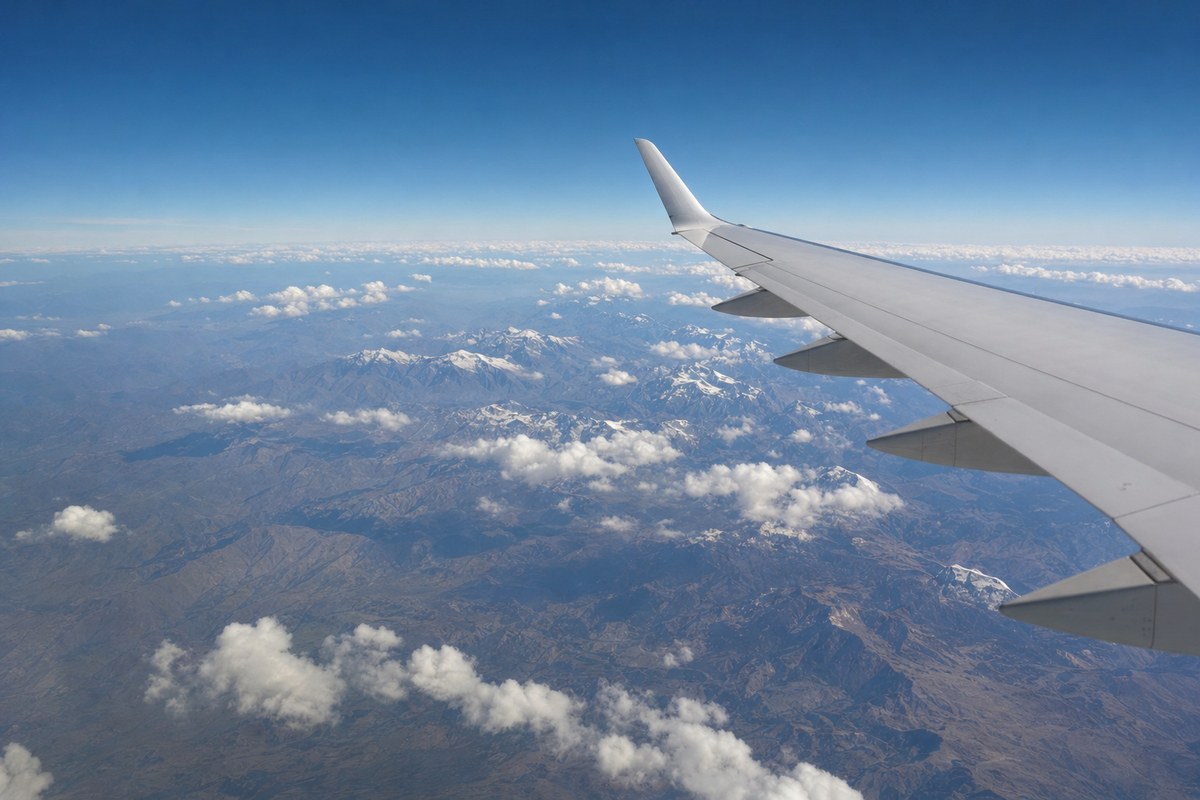
Pakistan's Defence Minister Khawaja Asif confirmed the decision to Bloomberg News on Wednesday. He said: "The aviation division follows the One China policy — only mainland China is allowed. We have permitted only Chinese airlines to fly over Pakistan."
The move came to light after aviation observers noticed that some Taiwanese flights had been taking longer routes.
Industry impact & what to watch
Overflight rights are usually treated as a technical and commercial matter, negotiated through bilateral air services arrangements and paid for through en-route charges. A government stating that only one country's carriers may cross its territory turns that access into an instrument of foreign policy, and airlines flying across Asia have a reason to treat such decisions as a standing route-planning risk.
For the affected carriers the immediate effect is operational: longer routings mean more flight time and fuel, and they change how a schedule is built. How large that cost is on any given route depends on the alternatives available around Pakistani airspace, and Asif's statement gives no figures on that.
The next signal to follow is whether another government states a similar restriction publicly. Pakistan's is described as the first reported case, so a second one, or an official notice setting out the rule's scope, would show whether this is a single decision or the start of a wider pattern.