Middle East war squeezes airspace and alternates while record El Nino threatens Asia-Pacific operations
Why It MattersLong-range routing between Europe, Africa and Asia now depends on conditional corridors, thin alternates and compounding weather risk, so planning margins and fuel economics shift for the whole long-haul segment.
What happened
The operating picture for private and charter aviation has deteriorated, with conditions worst in the Middle East and Gulf corridor. A war that began in February has removed, degraded or made conditional much of the airspace and airport capacity that long-range business aircraft use between Europe, Africa and Asia. Outside that corridor, the main threats are weather and disaster: an exceptionally strong El Nino forecast to peak in December, smoke haze over maritime Southeast Asia, and earthquake and flood recovery across the Himalayan arc.

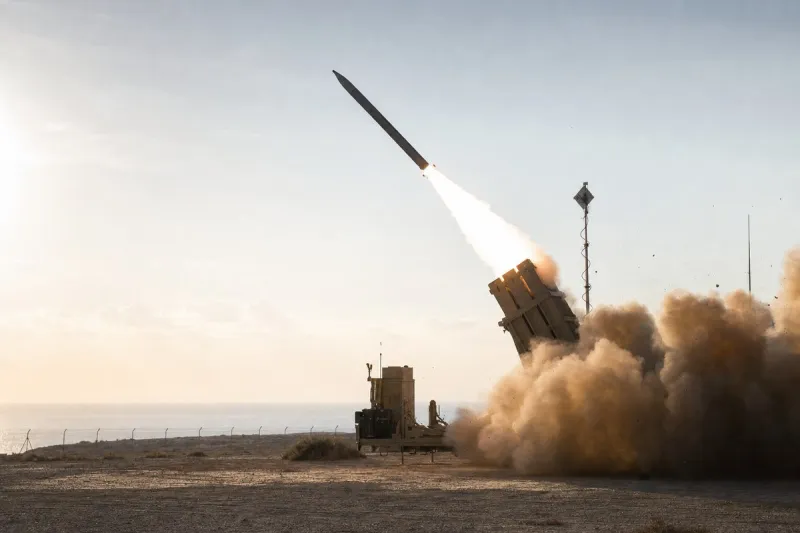
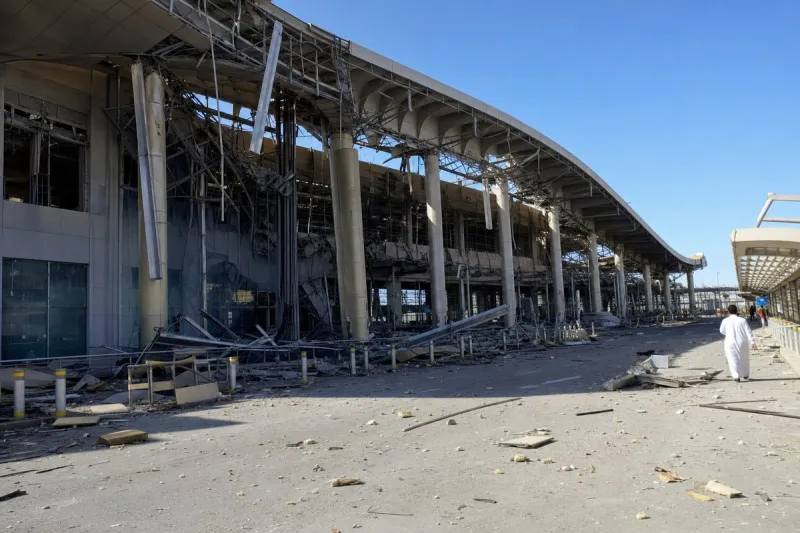
The war between the United States and Iran remains the central fact. Analysts report that regional leaders expect full-scale hostilities to resume. Hezbollah has used a lull since June to rearm after an Israeli offensive that reporting says killed more than 4,000 people. In Yemen, airstrikes on Houthi-held Sanaa International Airport in July ended the 2022 ceasefire, and Houthi missile and drone attacks on Saudi Arabia have struck Saudi airports, upending one of the last usable Europe-Asia routes.
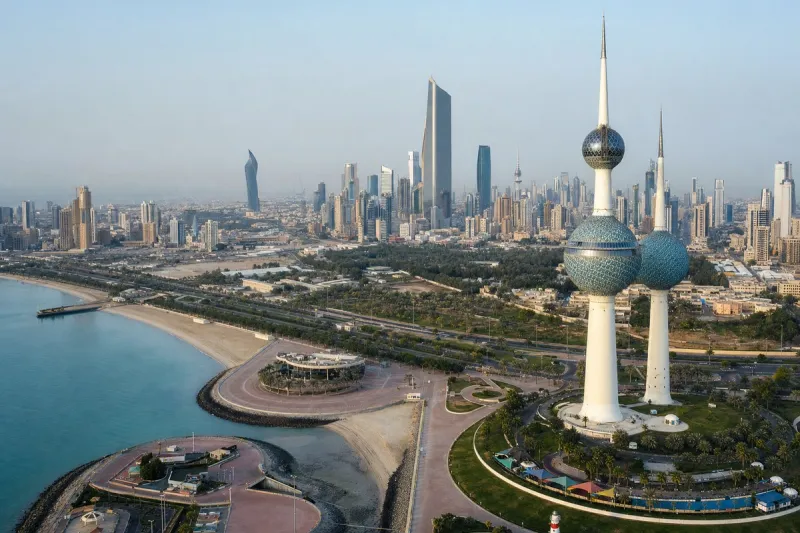
Airspace status varies by country. Kuwait reopened to international overflights under a NOTAM requiring a minimum of FL280; Turkish Airlines and Qatar Airways have resumed overflights while Emirates still avoids it. Syria's civil aviation chief says the UN aviation agency withdrew its 13-year-old airspace advisory, but EASA's Syria conflict-zone bulletin, revised October 1, stays valid to November 30. The U.S. Department of Transportation fined Air France and KLM a combined $425,000 over flights in the Baghdad flight information region between 2022 and 2025 flown under a Delta code.
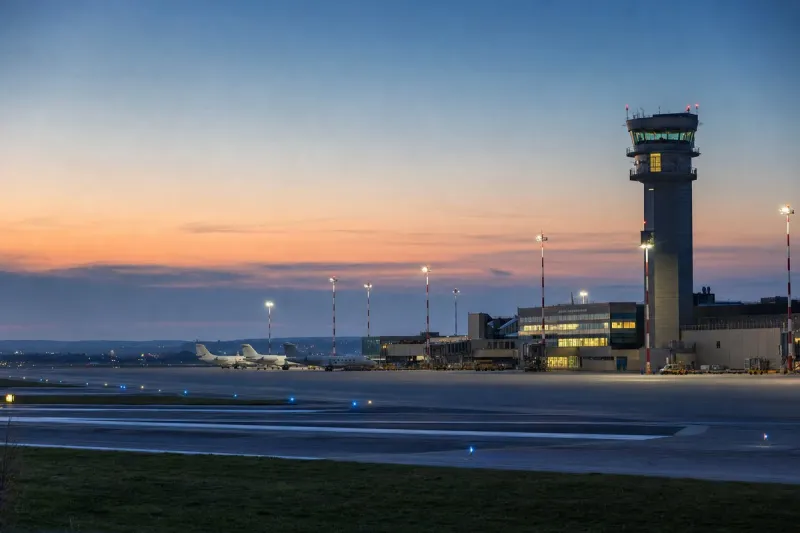
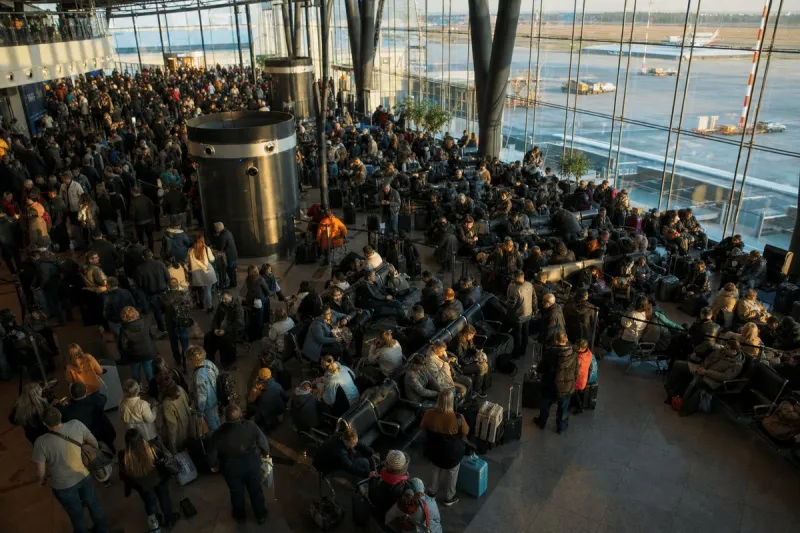
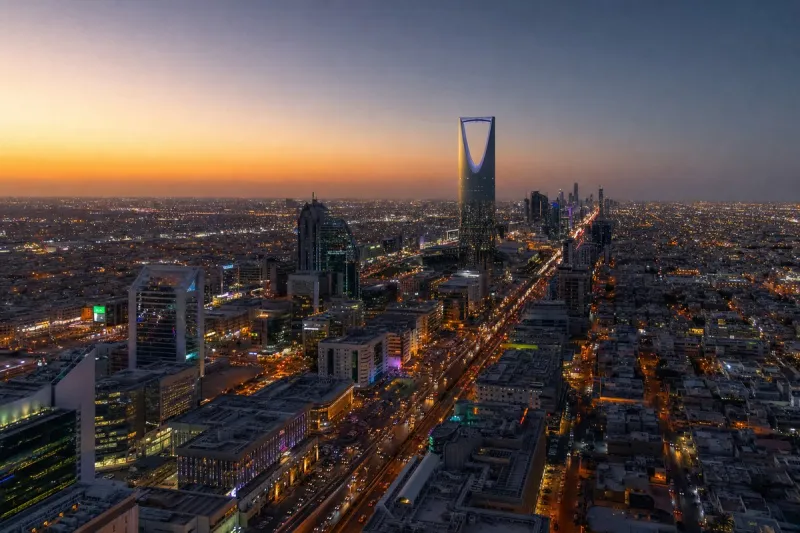
Riyadh's King Khalid International reopened on October 18 but operates at limited capacity. Etihad extended cancellations to Riyadh, Dammam and some Jeddah services, and Qatar Airways is rebuilding toward roughly 85 percent of its pre-conflict network. British Airways plans Dubai and Riyadh from November 3 and Amman from November 4, but does not expect Abu Dhabi back until winter 2027-28 or Bahrain until the end of March 2027. U.S. average retail diesel stood at $6.32 on October 20 after a peak of $6.53 on September 21.
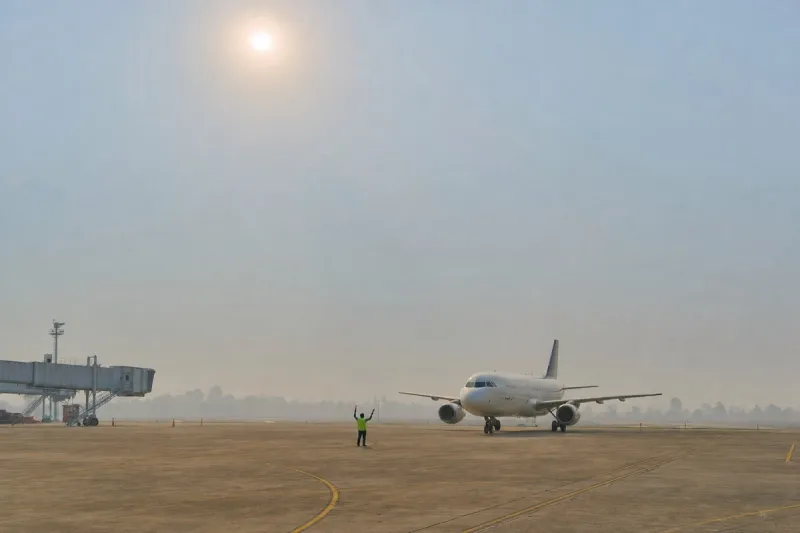
In Asia-Pacific, a magnitude 7.0 earthquake struck Baqen County in Nagqu, Tibet, on October 22, killing 16 and injuring 46. Nepal is still recovering from floods that destroyed roughly 7,500 homes. China reported 199.36 billion yuan in direct disaster losses in the first nine months of 2026. Smoke from fires in Kalimantan and Sumatra degraded air quality across Indonesia, Singapore and Malaysia. The WMO's October 21 update projects a Nino 3.4 anomaly near 3.8C between November and January, with persistence through February 2027.
How it unfolded
EASA's Syria conflict-zone bulletin expires unless renewed.
An EASA expiry date flagged among the key dates.
British Airways plans to resume Amman; operators carrying passengers to the United States must have an Ebola attestation process in place.
British Airways plans to resume Dubai and Riyadh.
A magnitude 7.0 earthquake strikes Baqen County in Nagqu, Tibet.
U.S. average retail diesel stands at $6.32, after a peak of $6.53 on September 21.
King Khalid International in Riyadh reopens, at limited capacity.
EASA revises its Syria conflict-zone bulletin, which stays valid to November 30.
Industry impact & what to watch
The pattern here is a corridor that still exists on paper but works only under conditions. Kuwait is open above FL280, Riyadh is open but thin, and carriers differ on whether to overfly at all. For a long-range business aircraft, that means the planned route, the alternates and the fuel to reach them have to be validated together, because an airport that has reopened at limited capacity is a weak diversion option even when it is technically available.
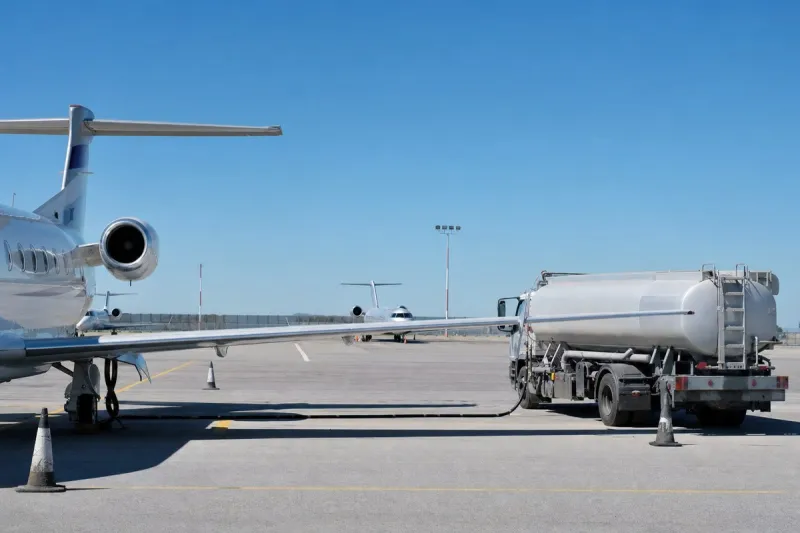
The cost side compounds the routing problem. Diesel at $6.32 after a $6.53 peak keeps ground and fuel economics elevated, and the carriers' own network plans show the timeline: British Airways does not expect Abu Dhabi back until winter 2027-28 or Bahrain until the end of March 2027. Commercial capacity returning slowly tends to keep demand for private lift on Gulf-linked trips high, but the same disruption constrains where that lift can safely operate.
The next dated markers are the EASA expiries on November 16 and November 30 and the November 4 Ebola attestation requirement for U.S.-bound passenger operations. Whether the Syria bulletin is renewed on November 30, and whether the Nino 3.4 anomaly near 3.8C holds through February 2027 as the WMO projects, will decide how much Asia-Pacific weather margin the coming winter requires.