Drone-Related Airspace Restrictions Disrupt More Than 210 Flights at Moscow Airports, Sheremetyevo Worst Hit
Why It MattersRepeated short-notice closures turn a hub's schedule into a rolling reset, so domestic-heavy airports absorb the damage first while passenger handling and information systems are tested alongside the aircraft.
What happened
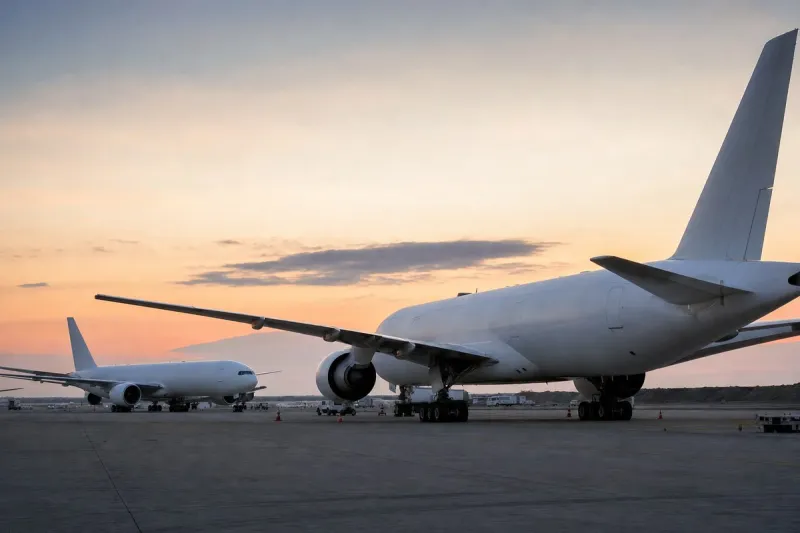
Russian media counted more than 210 delayed or cancelled flights at Moscow's airports as of the evening of 24 October, following restrictions on the use of airspace linked to drone attacks. The tally is a journalists' count of delays and cancellations rather than the number of flights ultimately cancelled, and no complete official breakdown exists.
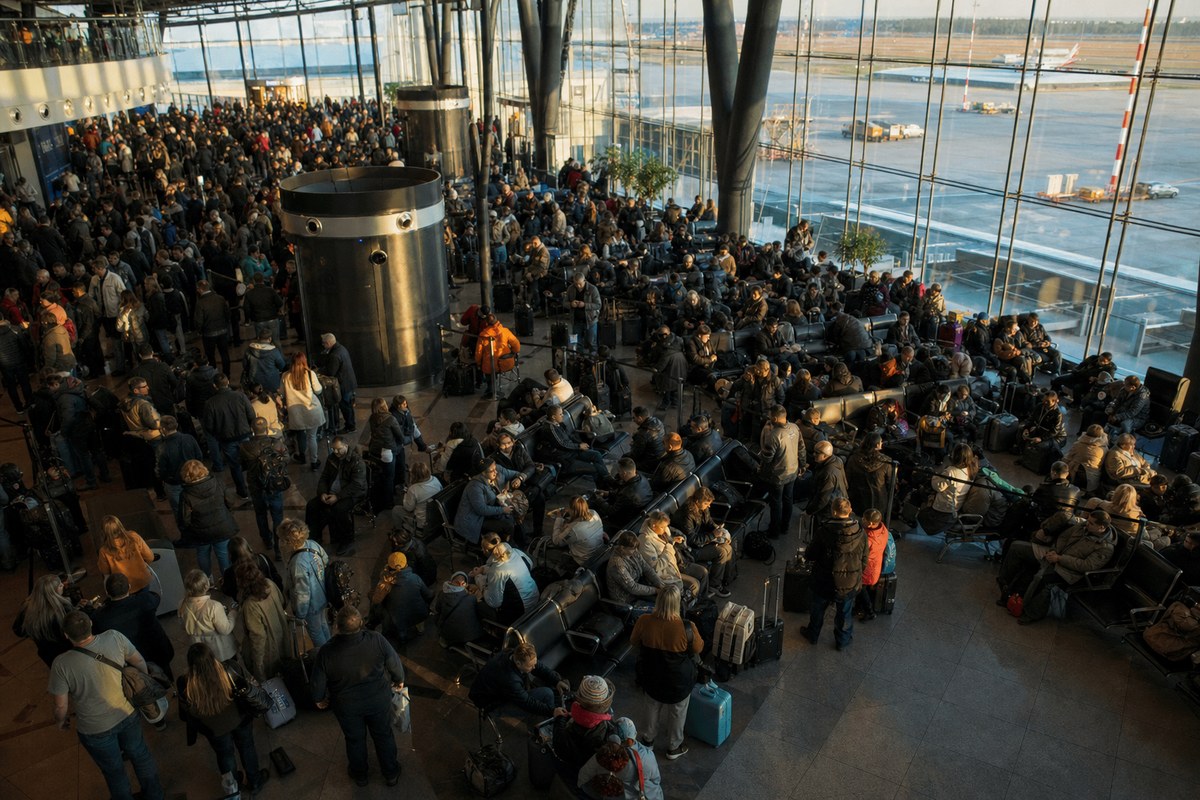
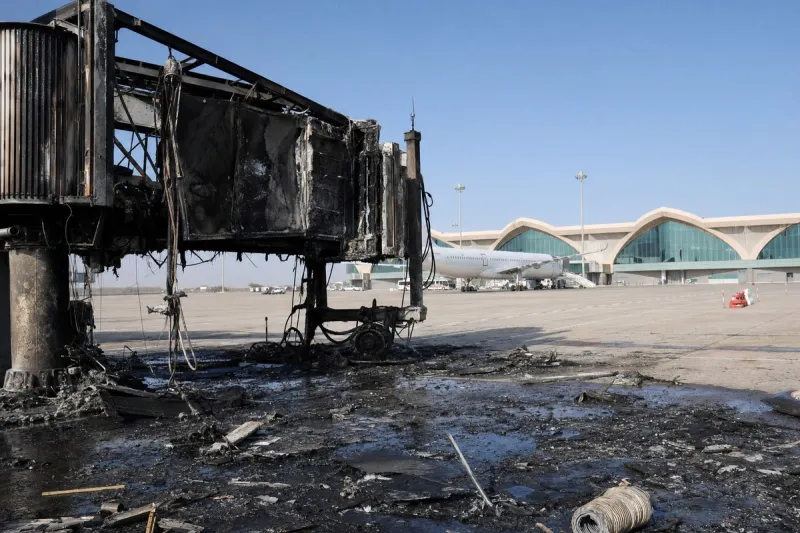
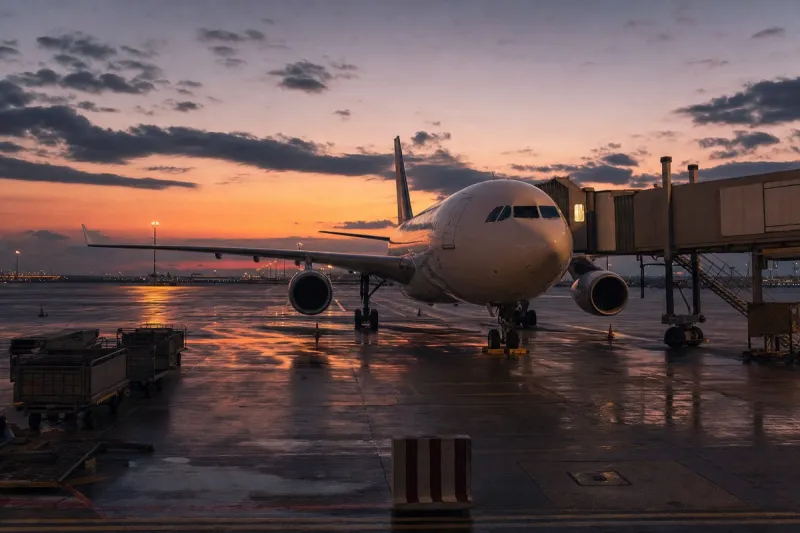
Sheremetyevo recorded the most disruption: the timetable for 65 departures and 106 arrivals was affected. Passengers reported waiting in Terminal D since 06:00, with some departure times changed repeatedly and others cancelled. Domestic services were hit hardest, although some international flights operated. Passengers complained of a lack of information and difficulty obtaining food during long waits. The airport's press office attributed the revised timetable to airspace restrictions in various regions of Russia.
At Vnukovo, around 40 flights were rescheduled or cancelled. At Domodedovo, The Moscow Times, citing Flightradar, reported at least 25 delayed flights and one cancellation. The airport's website also suffered a technical fault: users could not access the homepage, the online flight information display and some online services, although ticket booking remained available. A flight from Antalya, Turkey, to Moscow was diverted to Yekaterinburg.
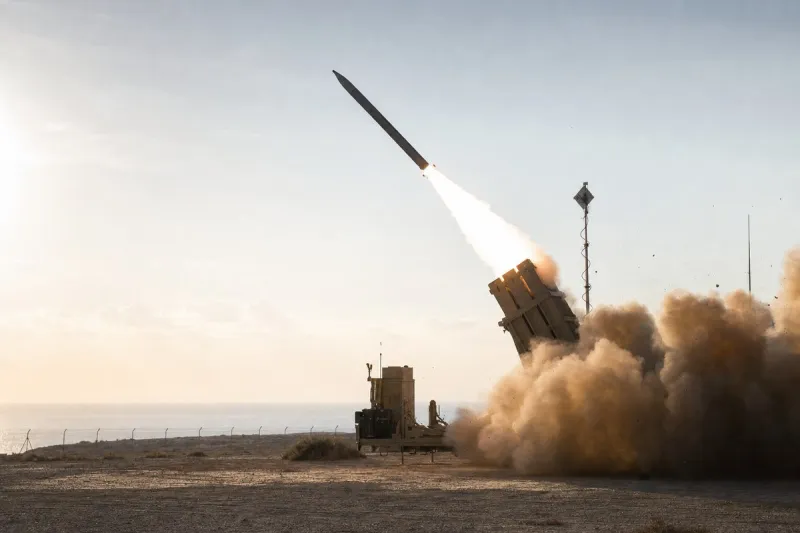
The disruption followed reports of drone attacks on Moscow and the Moscow Region. On 23 October, Rosaviatsiya temporarily restricted arrivals and departures at Sheremetyevo, Domodedovo, Vnukovo and Zhukovsky, with Interfax reporting the restrictions were imposed at least twice that day. During the air threat at Sheremetyevo, passengers were advised to move to sheltered areas, and some Moscow-bound aircraft diverted to alternative airports. After a partial lifting of restrictions, Vnukovo and Domodedovo continued operating flights for a time, subject to approval by the relevant authorities.
Industry impact & what to watch
Airspace closures imposed in short, repeated bursts hurt a multi-airport hub system differently from a single long shutdown. Each restriction and each partial lifting forces carriers to rebuild departure and arrival banks, and crews and aircraft end up out of position for the next wave. Domestic services, which feed on tight turnarounds, absorb that churn first, which is consistent with the pattern at Sheremetyevo.
The passenger-side details point to a second pressure. Long terminal waits with little information, and an airport website losing its flight information display, show that ground handling and communications are stressed as much as the airfield itself. For operators and charter planners, diversions such as the Antalya flight sent to Yekaterinburg mean alternates, fuel and crew duty limits have to be planned around an airspace picture that can change within hours.
The figures remain a media count, so the scale of cancellations will only firm up if the airports or Rosaviatsiya publish their own tallies. The next marker is whether the restrictions of 23 and 24 October are lifted for good or reimposed, since partial reopenings at Vnukovo and Domodedovo were conditional on approval from the relevant authorities.