Houthi Strikes on Saudi Airports Disrupt One of Few Remaining Europe-Asia Air Routes
Why It MattersEach lost corridor concentrates Europe-Asia traffic onto fewer remaining airways, so a strike at a single airport can now ripple through the scheduling and routing of several unrelated carriers.
What happened
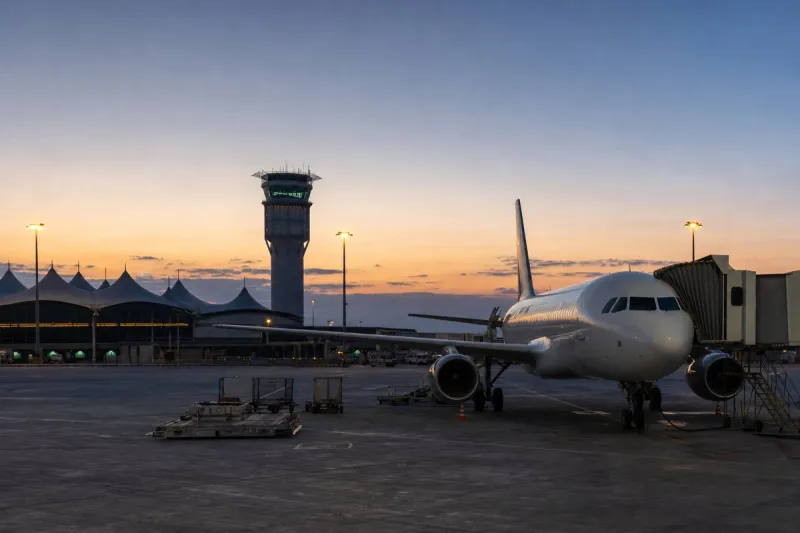
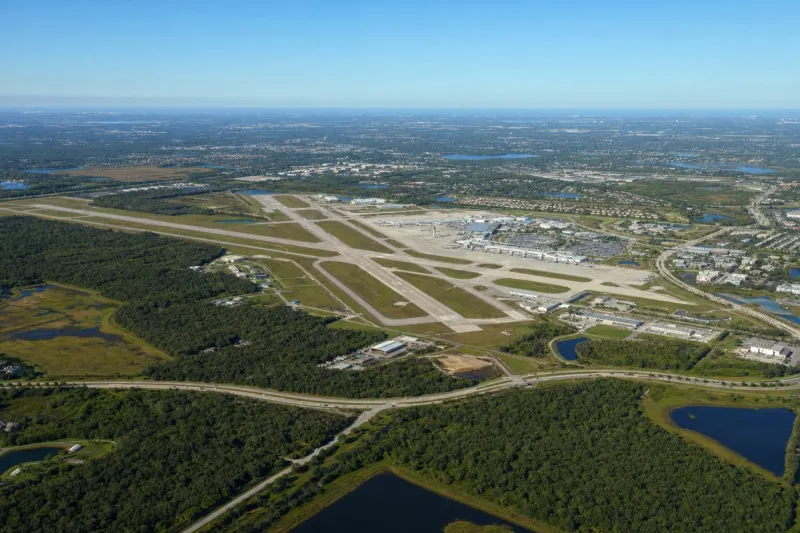
Houthi strikes on Saudi airports over the past month upended one of the last few remaining routes used by airlines between Europe and Asia. Flightradar24 tracking data shows the disruption affected carriers including British Airways and FedEx.
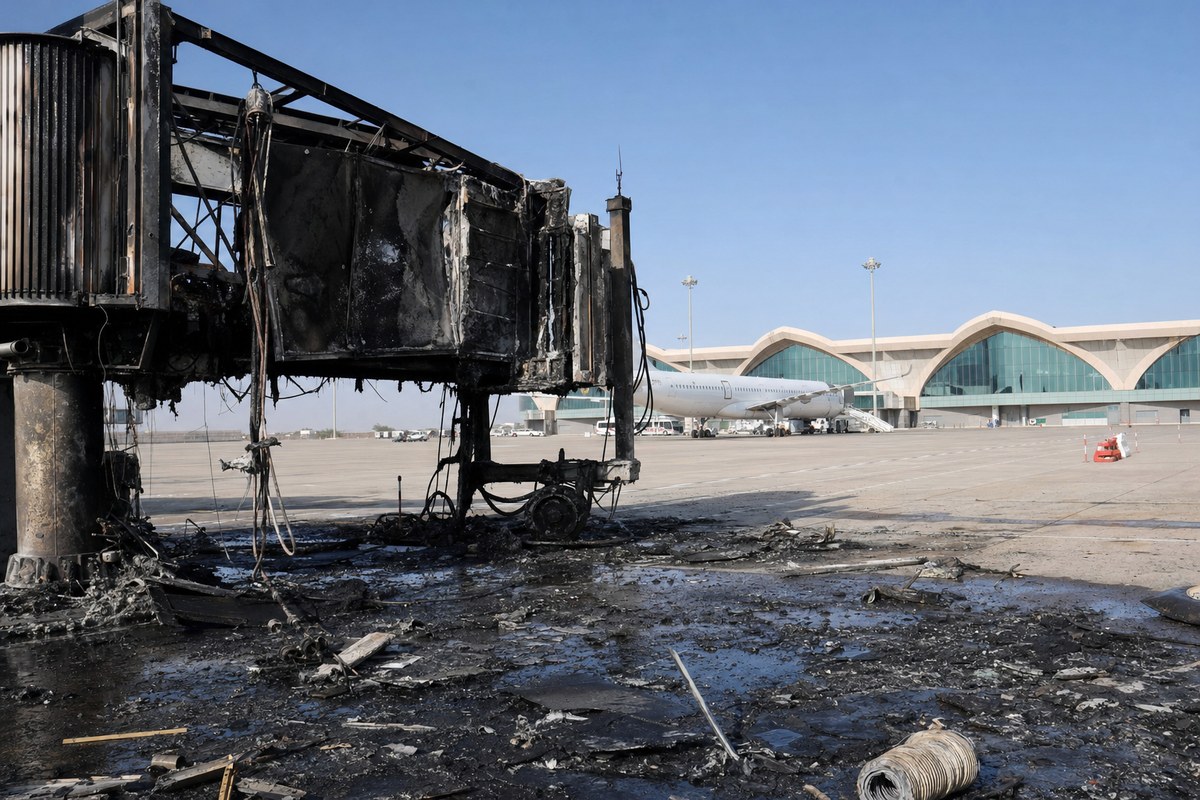
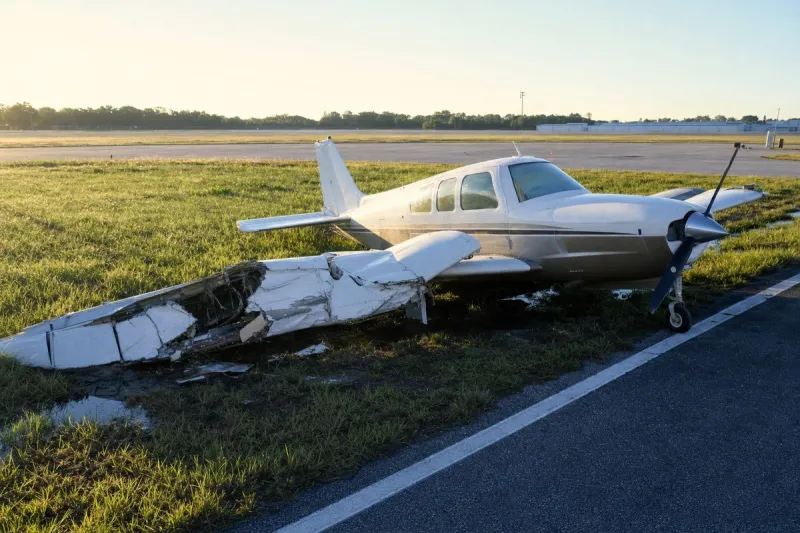
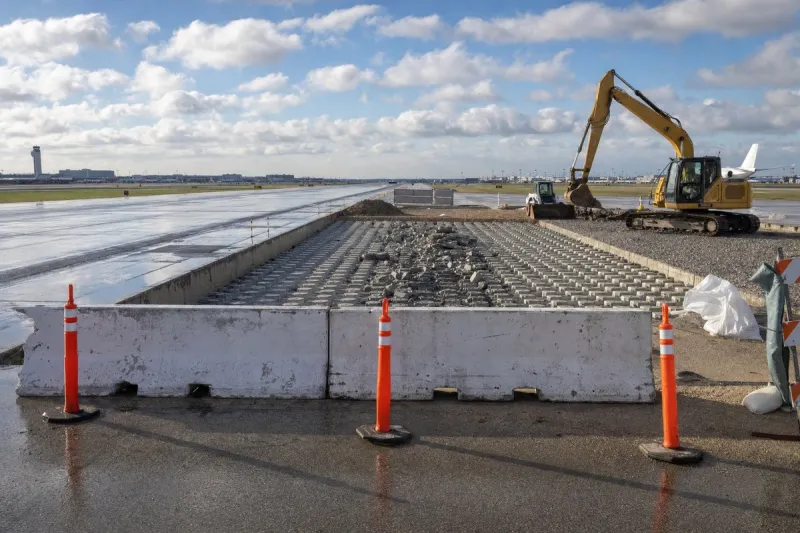
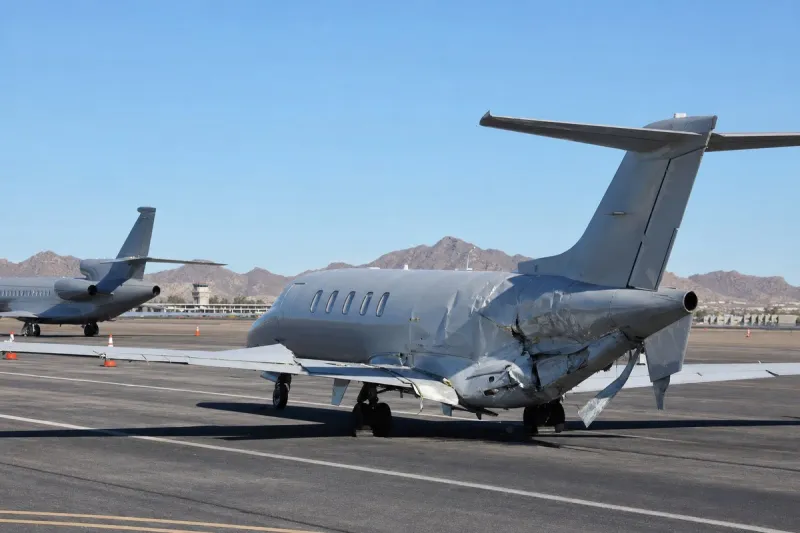
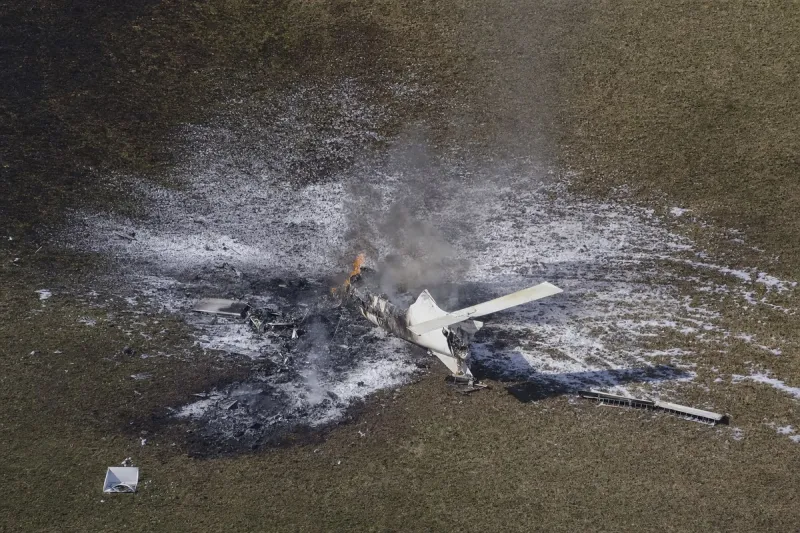
The strikes come against a wider backdrop of conflict-driven damage to civil aviation. Passenger planes have been shot down, airport terminals leveled and parked aircraft destroyed on the tarmac. Safe flight options, particularly between Europe and Asia, have become fewer and farther between.
Industry impact & what to watch
When conflicts remove corridors one after another, the traffic that used them does not disappear; it compresses onto whatever remains. A route that already carried the displaced flows of several shuttered airways becomes a single point of failure, and a strike on a Saudi airport then reaches passenger and cargo operators at the same time.
For Europe-Asia flying, that means schedule reliability depends less on any one airline's choices and more on how many open paths exist between the two regions. Operators with long-haul flows through the affected area are exposed regardless of whether they fly passengers or freight, as the involvement of both British Airways and FedEx illustrates.
The point that would settle how lasting the disruption is lies in the flight-tracking record: whether traffic keeps returning to the affected airports, or continues to shift onto other routings.