Iraq Reports More Than 300 Aircraft Daily Crossing Its Airspace After Kuwait Air Routes Reopen
Why It MattersCorridor access across the Gulf is being rebuilt through state-coordinated arrangements under ICAO oversight, so airspace availability for through-traffic depends on bilateral security decisions rather than on the routes themselves.
What happened
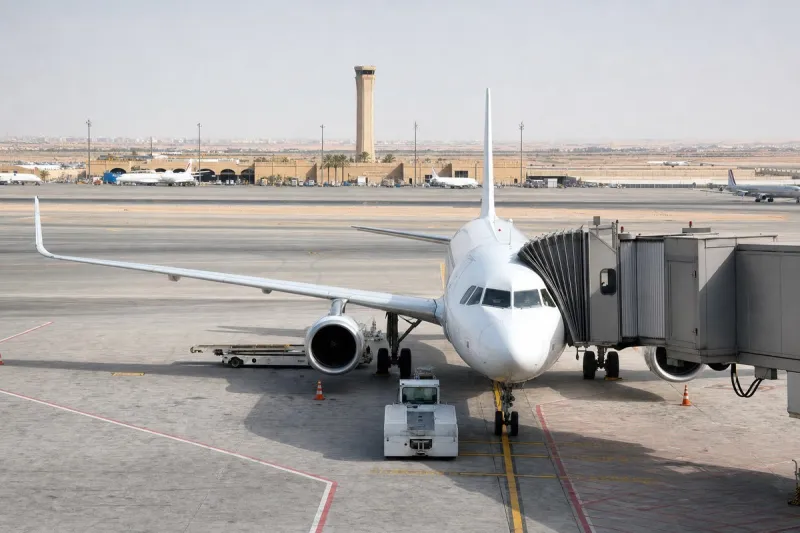
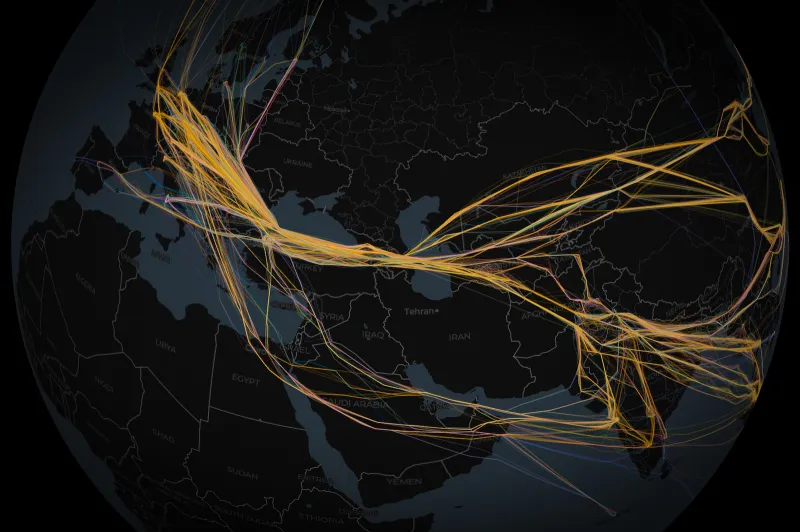
More than 300 aircraft are crossing Iraqi airspace daily following the reopening of air routes with Kuwait, Iraq's General Company for Airports and Air Navigation Management said on Monday. Iraqi airspace has faced multiple closures since the outbreak of the US-Israeli war on Iran, particularly amid exchanges of strikes between Israel and Iran that have posed risks to international aviation.

On Thursday, Iraq's Transport Ministry announced the reopening of air routes with Kuwait following a suspension prompted by regional security developments. The ministry said the routes would operate under arrangements coordinated with Kuwait and other Gulf states, with oversight from the International Civil Aviation Organization (ICAO).
Baghdad International Airport authorities and the Transport Ministry have also confirmed that Iraqi airports and airspace remain open to passengers and air traffic, with no blanket airport closure currently in effect. Flights to and from Iran have recently faced suspensions at several Iraqi airports, including Baghdad, Najaf, Erbil and Al-Sulaymaniyah, because of regulatory decisions and measures affecting Iranian aviation.
Industry impact & what to watch
Airspace over conflict-adjacent states tends to behave as a switch rather than a dial: a route is either available or suspended, and the decision sits with the national authority and its neighbours. Iraq's reopening of the Kuwait routes, coordinated with Gulf states and overseen by ICAO, shows how that availability gets restored in practice. It comes through arrangements between governments, not through any change in the underlying risk.
For operators planning flights that pass through the region, the daily crossing count is a useful signal of how much traffic currently trusts the corridor, but it describes a single day's picture. The split in the announcements matters as well: general airspace and airports are open, while Iran-bound flights from Baghdad, Najaf, Erbil and Al-Sulaymaniyah remain affected by separate regulatory measures. Route planning therefore has to treat overflight, domestic airport access and Iran-linked flying as three different questions.
The next point to follow is whether the Kuwait arrangement holds through further exchanges of strikes between Israel and Iran, since earlier closures were triggered by exactly those events.