777 Partners co-founder Joshua Wander pleads guilty to wire and securities fraud over $500 million in losses
Why It MattersThe case shows how an airline built on a single financier's balance sheet inherits that financier's solvency risk, and why lenders and lessors weigh sponsor finances as heavily as the carrier's own.
What happened
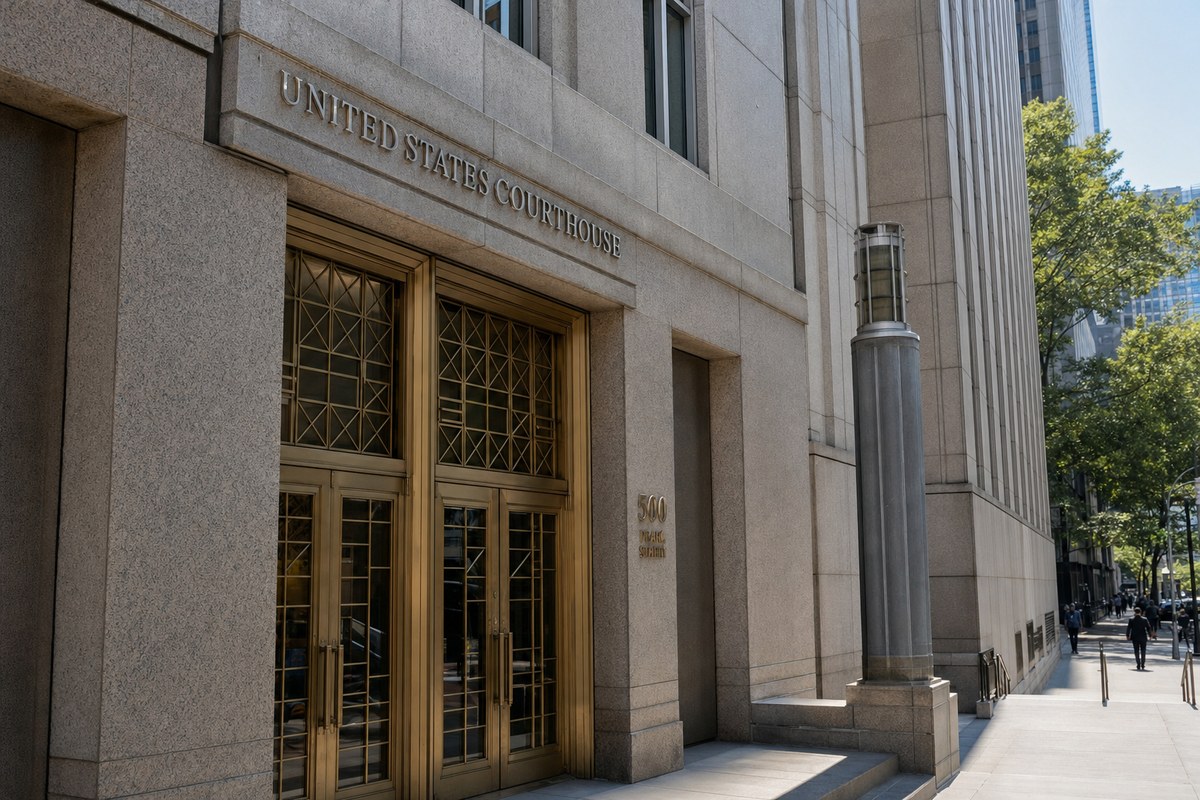
Joshua Wander, co-founder and former chief executive of Miami-based 777 Partners, pleaded guilty on 15 October 2026 to one count of wire fraud and one count of securities fraud. The plea was entered before US District Judge J. Paul Oetken in the Southern District of New York, in a case involving more than $500 million in losses to the firm's lenders and investors.
According to the US Department of Justice, the scheme involved misleading lenders and investors about 777 Partners' financial position. Wander agreed to forfeit at least $500 million and is scheduled to be sentenced on 1 March 2027. Each offence carries a maximum statutory sentence of 20 years in prison, though the court will determine the final sentence.
Prosecutors said Wander used funds restricted by lenders for the firm's original structured-settlement business to cover acquisitions and other expenses. They said he pledged hundreds of millions of dollars in assets that 777 Partners had never purchased or had already pledged to other lenders, and directed employees to digitally alter bank statements to show cash the firm did not hold. In 2021 and 2022 he raised more than $200 million from outside investors through preferred equity interests in 777 Partners and an affiliated entity, misrepresenting the firm's financial condition.
Aviation holdings and Bonza's collapse
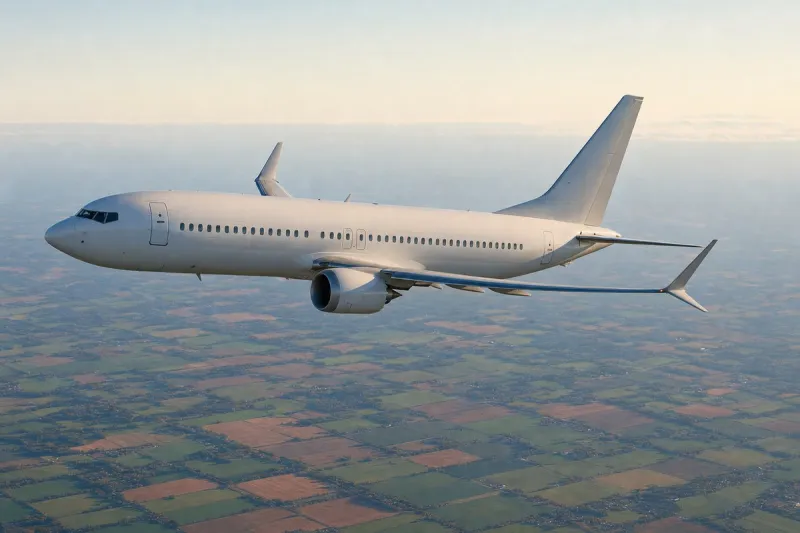
The firm expanded beyond structured settlements into sectors including aviation and professional sports. The indictment states that Wander purchased Flair Airlines in 2018 and that 777 Partners became a minority owner of Bonza in 2021. In March 2021, 777 Partners announced an agreement with Boeing to acquire 24 Boeing 737-8 aircraft, with purchase rights for a further 60, intended for deployment with Flair Airlines and Bonza. The announcement did not mean all 24 aircraft had been delivered or that the additional 60 had been ordered unconditionally.
Bonza began scheduled flights in February 2023 on domestic Australian routes with Boeing 737 MAX 8 aircraft. Its administrators said the airline was wholly reliant on funding from 777 Partners, its sole investor. Its aircraft leases were terminated and its fleet repossessed in April 2024; it suspended flights on 30 April 2024 and entered voluntary administration. The administration report cited sustained trading losses and a substantial working capital deficit.
The court documents do not establish that the fraud directly caused Bonza's collapse.
How the finances deteriorated
According to the indictment, rising interest rates and increased competition in the structured settlement market had reduced the profitability of the core business, limiting cash reserves and borrowing capacity.
Prosecutors alleged Wander kept authorizing spending on new ventures despite employee warnings and without sufficient funding or secured financing. They further alleged that by 2021 the firm routinely lacked funds to meet some operating expenses, cover payroll, service credit facilities or complete planned acquisitions.
Industry impact & what to watch
The facts laid out here describe a structure that recurs in smaller airline start-ups: a carrier whose aircraft, leases and operating losses are carried by one sponsor. When the sponsor's own balance sheet is the real source of liquidity, the airline's route network and fleet plan are only as sound as that sponsor's cash position. Bonza's administrators described exactly that dependence, with 777 Partners as the sole investor, and the prosecution describes a parent that was short of cash while announcing aircraft purchases.
For lessors, lenders and aircraft manufacturers, the case illustrates why a framework agreement or purchase-rights announcement is not a funded order. The Boeing arrangement was publicly framed around 24 aircraft with rights to a further 60, yet an announcement of that kind carries no guarantee of delivery or payment, and the distance between headline fleet plans and financed deliveries is where counterparty risk sits.
The next milestone is the sentencing on 1 March 2027, when the court will fix the final sentence within the 20-year statutory maximum per count. Whether the forfeiture of at least $500 million translates into recoveries for lenders and investors is a separate question the court record will have to answer over time.