De Havilland urges national water bomber fleet in Canada as it struggles to meet global demand
Why It MattersBecause Canadian water bomber fleets are bought and run province by province, a single manufacturer holding the only scooping line in production leaves demand fragmented while supply stays constrained.
What happened
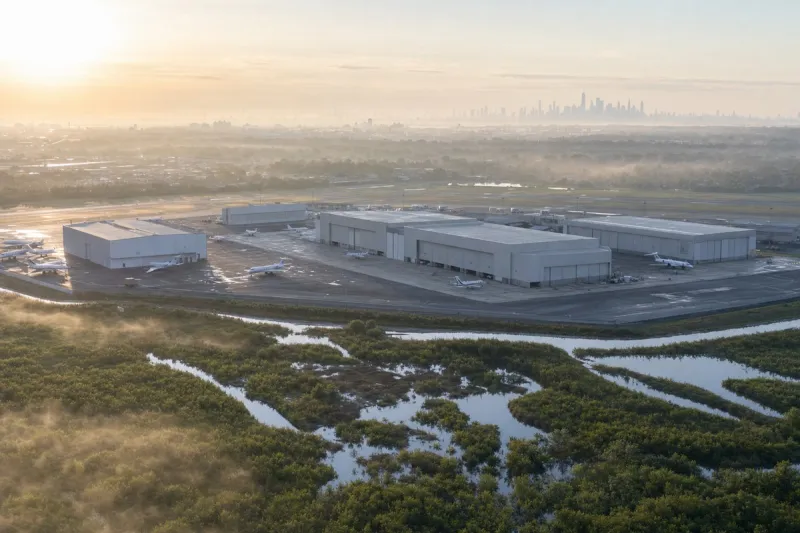
De Havilland Aircraft of Canada is calling for a national fleet of Canadair water bombers at home, even as it struggles to meet soaring demand from abroad. Neil Sweeney, the company's vice-president of corporate affairs, said an order for 50 new water bombers from the federal government or the provinces would provide the financial runway, worth hundreds of millions of dollars, to launch a second production line at its new assembly plant east of Calgary.
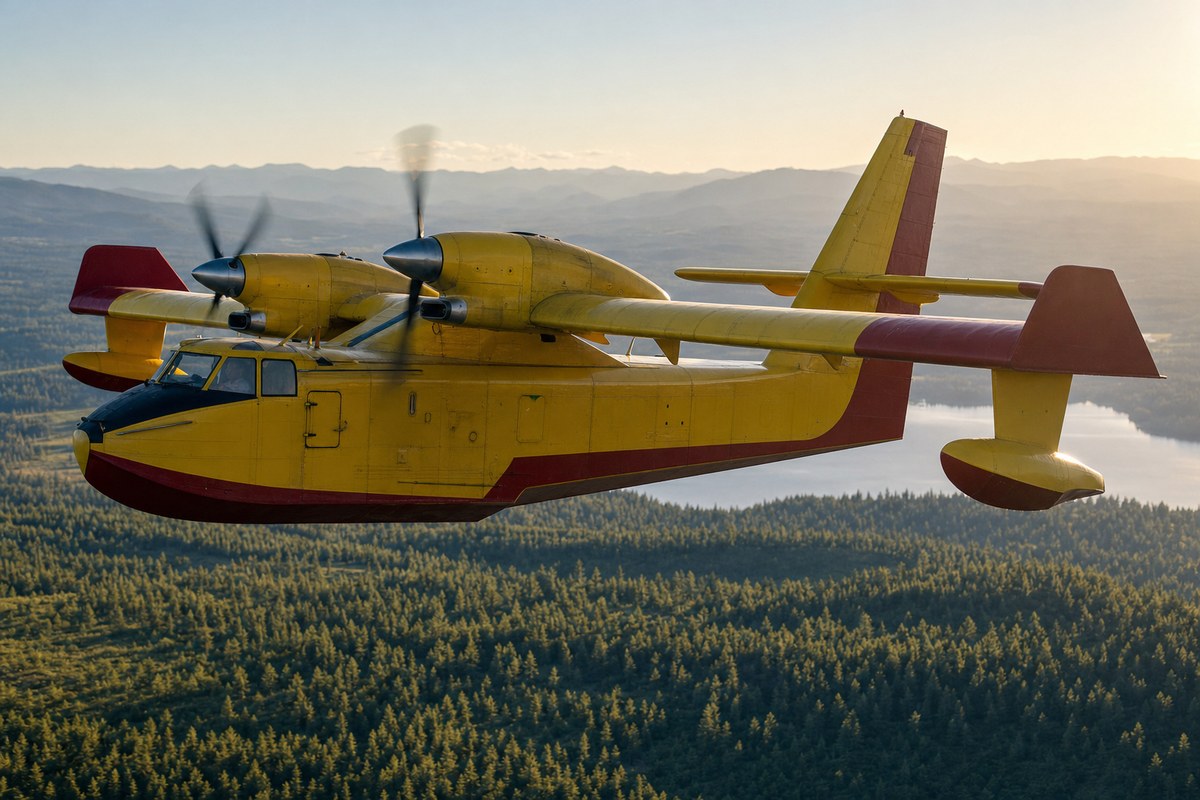
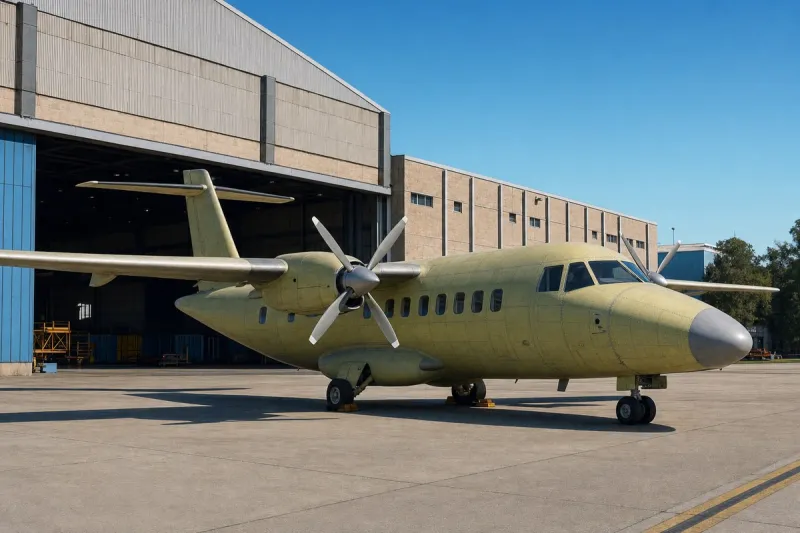
The Canadair turboprops are the only amphibious firefighting aircraft in production built from the outset for that purpose. On July 13, a pair of Canadair planes scooped more than 6,000 litres from the Seine River to fight a wildfire south of Paris. De Havilland revived production in 2024 after European countries, from Portugal to Greece, placed orders; the assembly line had halted in 2015 under Bombardier Inc. That hiatus meant a supply chain drawing on 60,000 parts had evaporated, and procurement delays pushed back the projected delivery of the first Canadair DHC-515, formerly the CL-515.
The first two aircraft are in production, with the first bound for Greece. Spain, France, Portugal, Italy and Croatia are also customers. The 38 planes on the order book, including six for Ontario, five for Alberta (at a $400 million price tag) and three for Manitoba, are sold out through 2034, Sweeney said.
A draft joint statement seen by The Canadian Press says Canada and the European Union will announce a joint purchase of 50 De Havilland water bombers at a Montreal conference at the end of October. It is unclear whether that figure includes the 38 aircraft already ordered.
Competitors and the Canadian fleet
Competitors are emerging, including Positive Aviation, Kepplair Evolution and Hynaero of France. Italy's 19-01 Holding aims to roll out a prototype by 2028 that can scoop roughly twice the water volume of the DHC-515. Positive Aviation claims its alternative would carry one-third more water and be produced at 12 per year from 2030. Sweeney said De Havilland is currently the only large scooping aircraft in production.
In May, the federal government created Canada's first reserve of firefighting aircraft, leasing 10 planes for 150 days with a $317-million allocation in the 2025 budget. Aviation management instructor John Gradek of McGill University said there is no national coordination of the water bomber fleet and that provinces manage their own budgets, aircraft and pilots. Ontario and Quebec operate nearly two dozen of the 160 Canadairs in circulation worldwide.
A Senate committee report in June recommended a national aerial firefighting fleet, and in August Ontario Premier Doug Ford called for 60 new water bombers.
Industry impact & what to watch
The pattern here is a niche aircraft category with one producer, a decade-long order book and buyers who act separately. When provinces each manage their own budgets, aircraft and pilots, demand reaches the manufacturer as a series of small orders, which is a weak basis for the capital a second production line requires. A single large order from Ottawa or a provincial group would change that arithmetic, and that is the case De Havilland is making.
The sold-out position through 2034 also shapes how competitors enter. Prototypes promised for 2028 and production from 2030 are claims for later in the decade, so for the next several years firefighting agencies buying large scooping aircraft have one source. Whether that window lets De Havilland lock in volume or invites rivals to fill the gap is the structural question for the segment.
The Montreal conference at the end of October is the next dated milestone. The announcement of a joint Canada-EU purchase of 50 aircraft would show whether the figure adds to the existing 38-aircraft order book or folds it in, and that distinction decides whether a second production line has a funded order behind it.