Czech President Pavel Says He Paid EUR 18,750 for Private Flights to Morocco, but Full Costs Remain Unclear
Why It MattersThe dispute shows how private charter pricing is hard to verify from outside: a single passenger's stated payment says little about total aircraft cost, cost-sharing among passengers, or who carried the remainder.
What happened
Czech President Petr Pavel, after returning from a holiday in Morocco, said he paid a total of EUR 18,750 (about CZK 456,000) from his own funds for trips on private aircraft. No invoices or other proof of payment have been published, so the actual cost of each flight, who covered the remaining costs and how other passengers shared the financing remain unclear.
Pavel said he flew to Morocco on 2 October on a plane chartered for the Fesh Fesh team, which was taking part in the Rallye du Maroc. Organisers offered him a free seat, for which he paid EUR 3,750. He said he paid a further EUR 15,000 for the Casablanca–Prague return leg and the trip back, operated by a private Moroccan carrier and arranged by Tomáš Šebek, who accompanied him together with Pavel Kubíček and a protection-service officer. Pavel described the EUR 15,000 as his share of the total payment.
The police presidium said the costs of the president's security detail are covered at the price of a standard scheduled-flight ticket. Spokesman Jozef Bocán said disclosing the total would allow the number of protecting officers to be inferred.
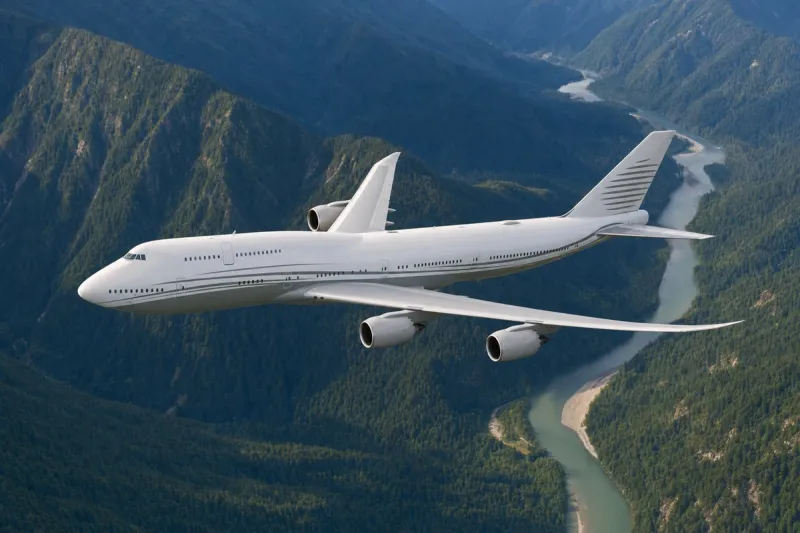
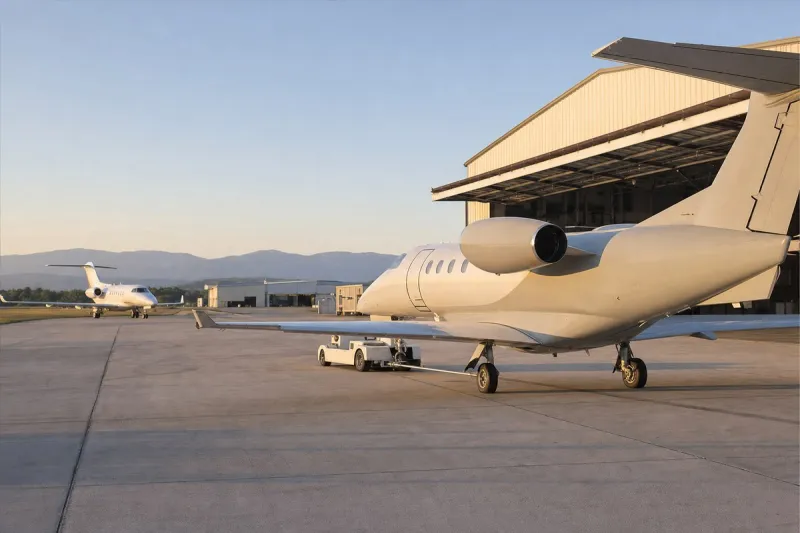
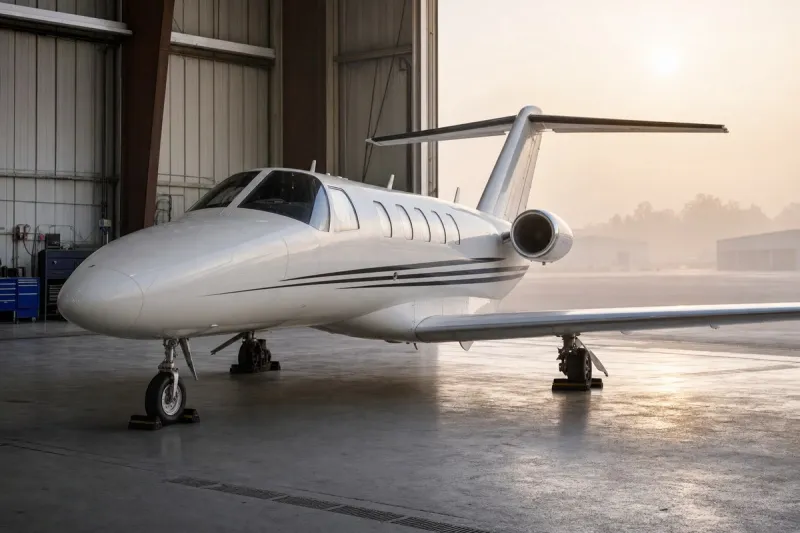
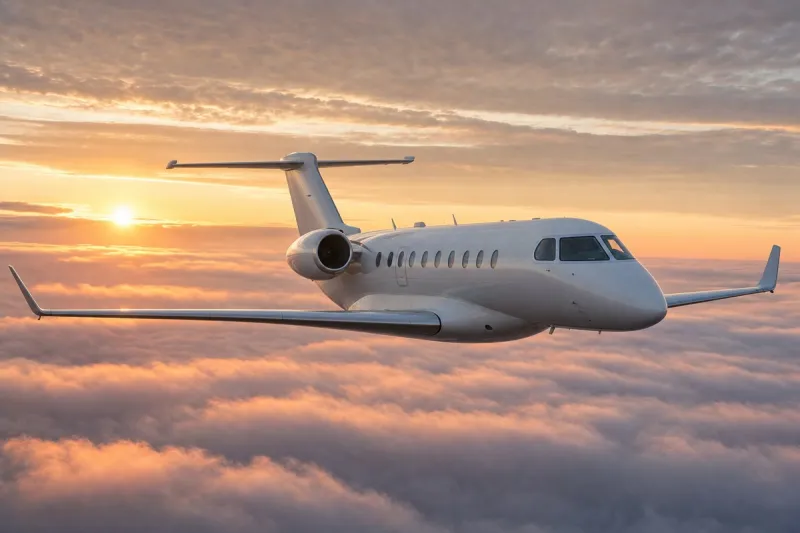
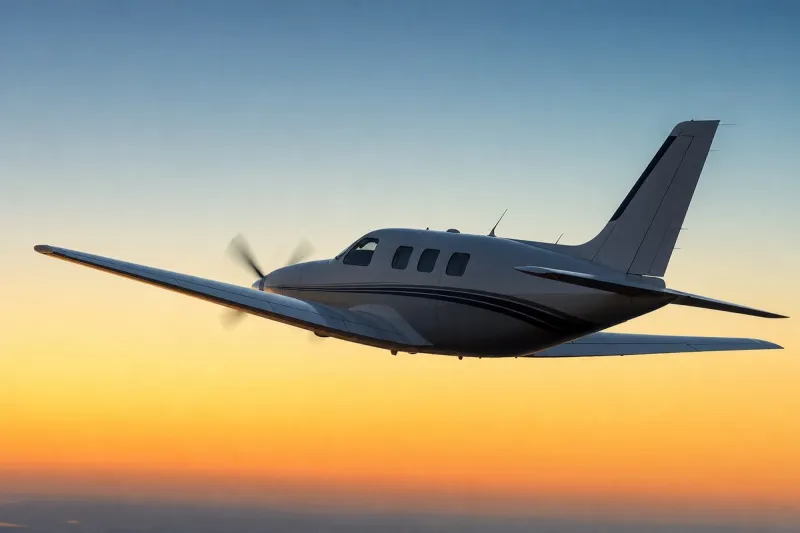
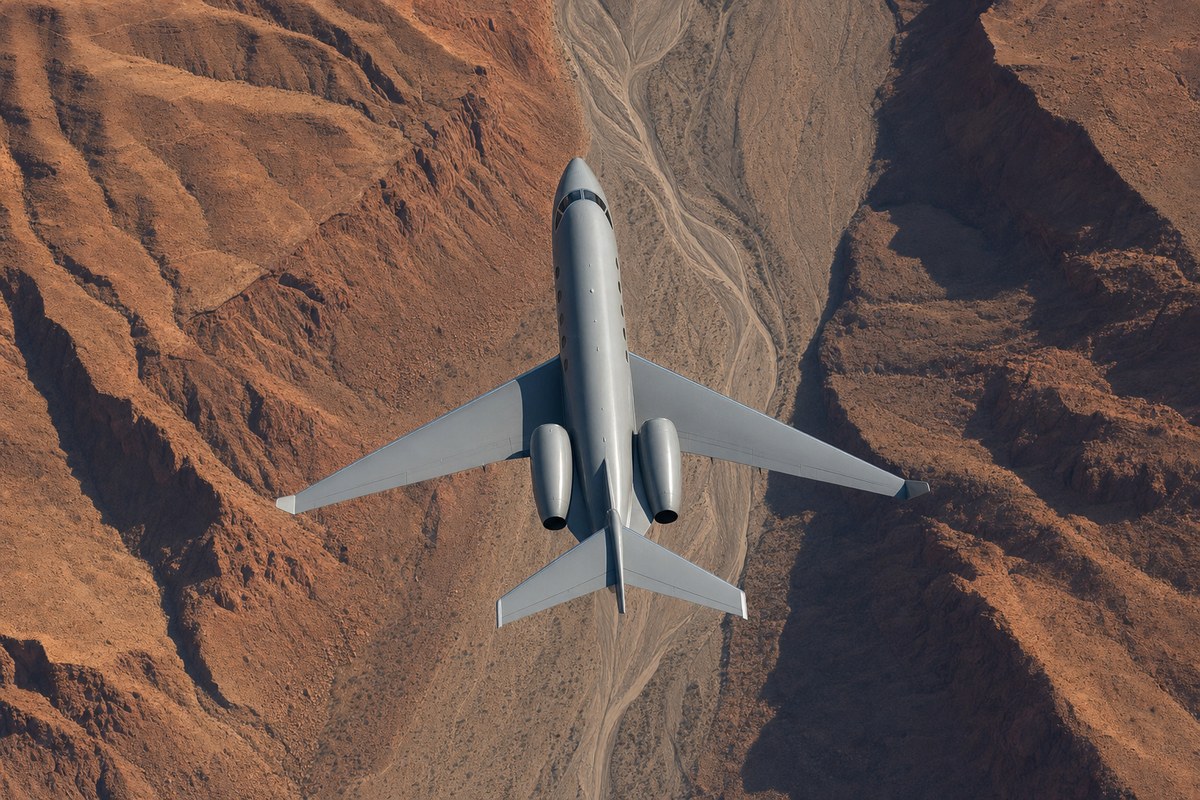
Echo24 previously noted that the president used a Hawker 900XP operated by Sarah Airways on one trip. Charter prices for comparable aircraft are cited at a starting rate of USD 7,500 per hour by FXAir and EUR 8,400–12,900 per hour by LunaJets, which would put a roughly ten-hour Morocco–Prague round trip at about CZK 1.6–3 million, depending on rental terms and where the aircraft was positioned. Pavel said his explanation was important for transparency, but he published only two specific amounts, not the total aircraft rental costs.
Opposition politicians welcomed the explanation; ODS chairman Martin Kupka called it fully transparent. Coalition MP Jindřich Rajchl called it a 'completely ridiculous excuse' and disputed that EUR 15,000 matches real prices. Rajchl initiated putting the financing of the president's trip on the agenda of the Chamber of Deputies at its current October session.
Industry impact & what to watch
Private and chartered flights carrying a mix of paying passengers, guests and officials are priced in ways that outsiders cannot easily reconstruct. A per-seat payment tells little about the total charter bill, because the aircraft is hired as a whole and the split between passengers is a commercial arrangement between them and the arranger. That is why the published EUR 15,000 and the hourly benchmark ranges quoted for comparable aircraft sit so far apart in the public debate.
For the charter segment, this kind of scrutiny tends to focus on documentation: invoices, the identity of the contracting party, the aircraft and operator used, and how the cost was allocated per passenger. Hourly rates from brokers are starting points, and the final price moves with rental terms and with where the aircraft is positioned before and after the trip, which is why estimates can span a wide range.
The next concrete milestone is the Chamber of Deputies, where the financing of the trip is on the agenda of the current October session. Whether invoices or a fuller cost breakdown are produced there would settle most of what remains open.