ICAO Report Finds Beirut Airport's Certification Has Expired, Complicating Possible Resumption of US–Lebanon Direct Flights
Why It MattersDirect-route reopenings between states with long suspensions hinge on airport certification and regulator capacity, so oversight gaps can hold up commercial service even after the political barrier is lifted.
What happened
Beirut's airport has no valid certification, a gap that could complicate the resumption of direct flights between Lebanon and the United States. An ICAO technical mission that worked in Lebanon in July, at the request of the Lebanese Civil Aviation Authority, identified problems at the airport and in the country's aviation oversight system. ICAO submitted an internal report to the Lebanese side in September.
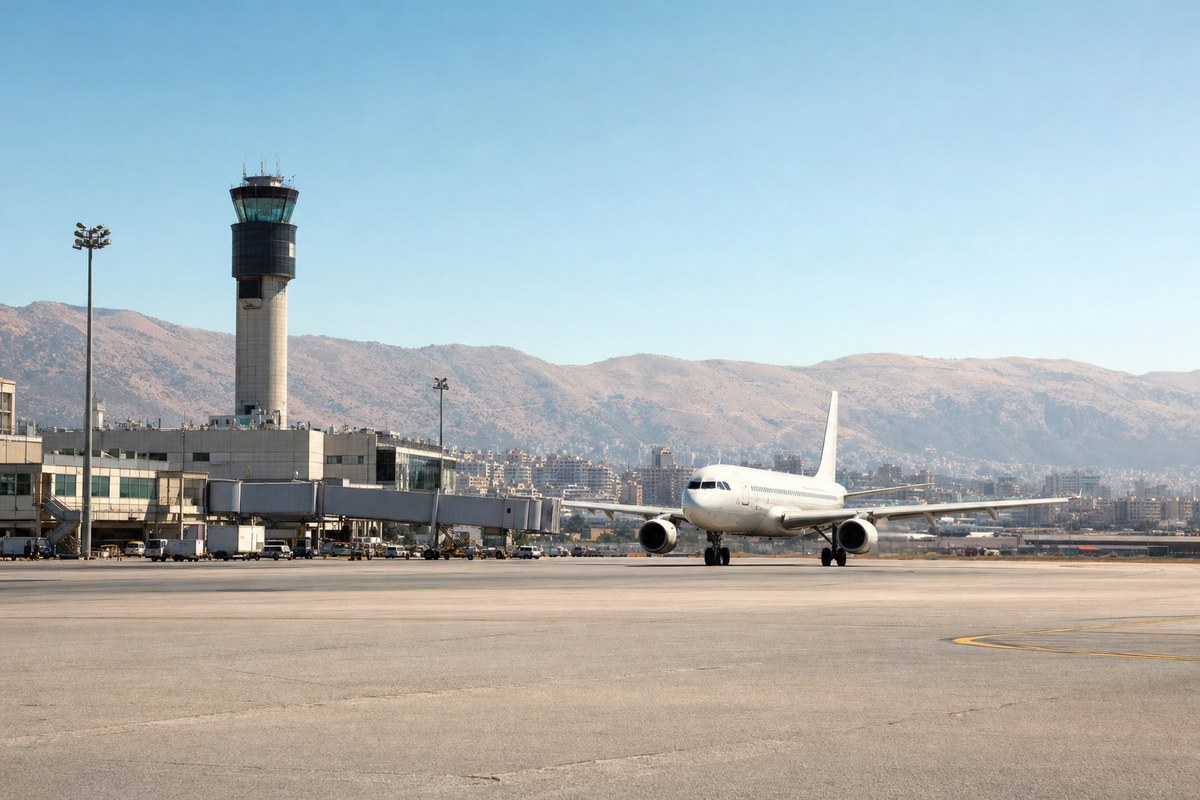
The report summary says the airport's fire and rescue resources can serve narrow-body aircraft but not the wide-body airliners typically used on long-haul routes. The airport also has no emergency action plan, and its conditional certification has expired. ICAO also cited shortcomings at the Lebanese Civil Aviation Authority, including a shortage of qualified inspectors to oversee air traffic controller licensing and the absence of a fully established independent aircraft accident investigation body with clearly defined powers.
Lebanon's Minister of Public Works and Transport, Fayez Rasamny, said the authorities are working to address the remarks. He said work on airport certification began on Saturday and the Civil Aviation Authority expects to issue conditional certification in the coming days. He added that most of the issues raised in the report were already known to the regulator, but progress was delayed by the war.
Last month US President Donald Trump signed an executive order allowing direct flights from the United States to Lebanon, lifting a suspension that had lasted about four decades after the 1985 hijacking of TWA Flight 847. The US Federal Aviation Administration and the Transportation Security Administration still need to conduct security inspections. Three representatives of US airlines told Reuters they do not expect flights to resume quickly because of security risks.
Industry impact & what to watch
A political decision to reopen a route is only the first gate. Service on a long-haul city pair also depends on the destination airport holding valid certification, on rescue and firefighting capability matched to the aircraft type flown, and on a regulator able to oversee licensing and investigations. When any of those is missing, the executive order alone does not put an aircraft on the ramp.
The wide-body point matters commercially. Long-haul economics between Lebanon and the US typically rest on larger aircraft, so a rescue and firefighting category that covers only narrow-body types narrows which operators and equipment could realistically serve the route, regardless of demand.
The near-term markers are the conditional certification that the Civil Aviation Authority expects in the coming days, and the FAA and TSA security inspections that still have to take place. The airline representatives who spoke to Reuters expect no quick resumption, so those two steps, rather than the executive order, set the pace.