IATA Warns of GNSS Interference Surge, Reports 67% Rise in Jamming and 193% Rise in Spoofing Since 2023
Why It MattersSpoofing that misleads instruments without alerting crews shifts navigation risk from visible outages to silent errors, making ground-based backups, signal-rejection tools and civil-military coordination baseline safety infrastructure across all segments.
What happened
IATA has called on aviation authorities and operators to deploy resilient technological backups as interference with satellite navigation systems escalates. Mark Searle, IATA's Director of Safety, made the case at the opening of the IATA World Safety and Operations Conference, saying that protecting global air transport requires deeper integration of people, advanced technology and harmonised operational standards.
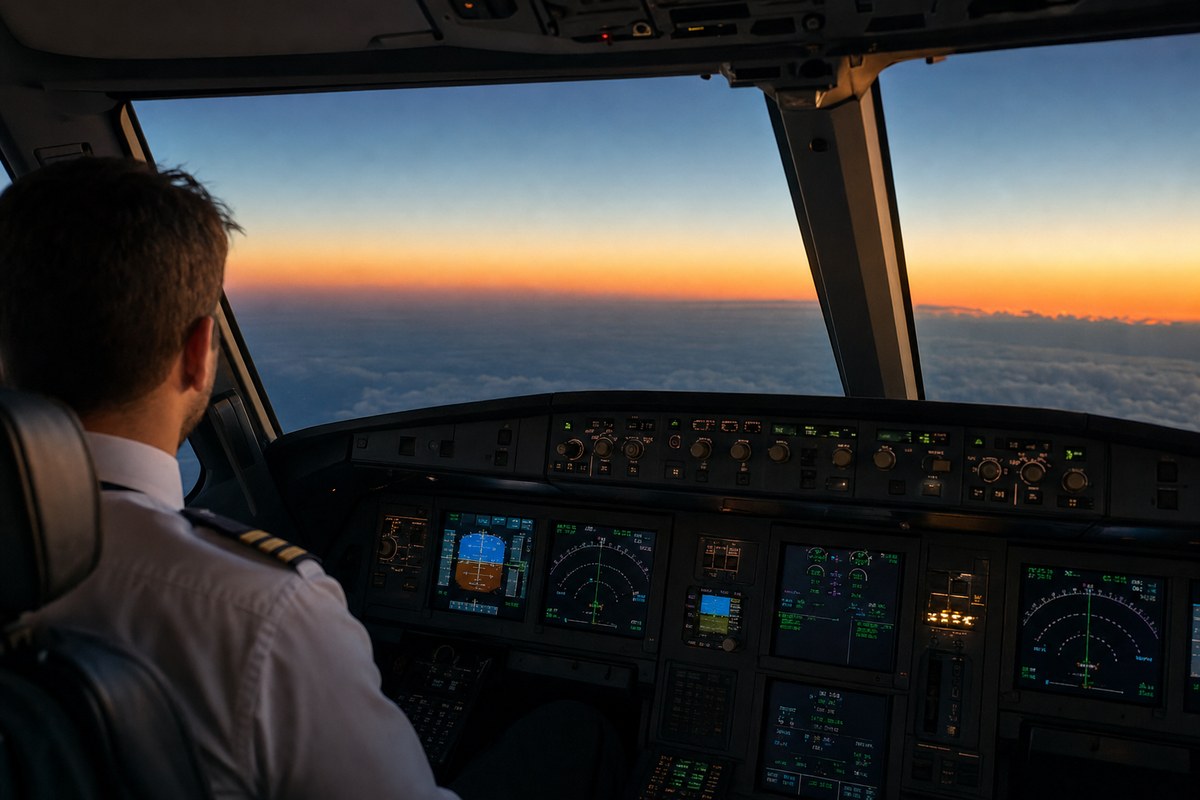
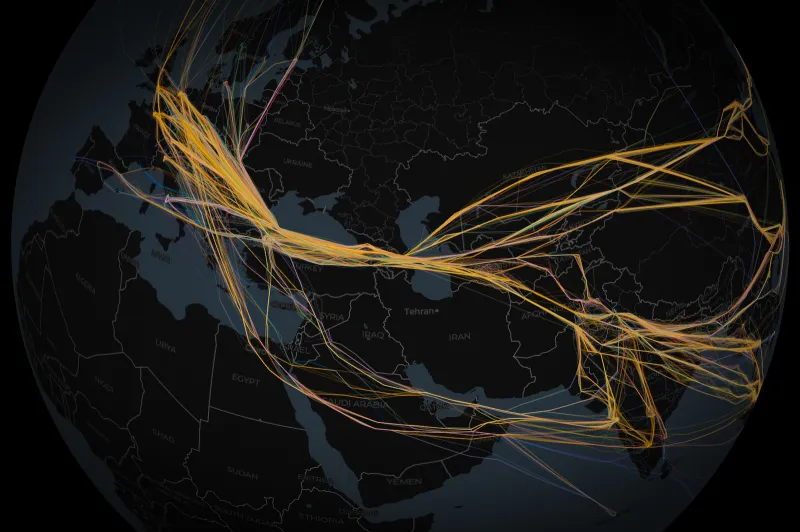
Global Navigation Satellite System (GNSS) jamming incidents increased by 67 per cent in 2025 compared with 2023, IATA reported, while reports of GPS spoofing rose by 193 per cent over the same period. The two threats work differently. Jamming blocks satellite signals entirely, so flight crews recognise the loss of navigation inputs. Spoofing transmits false positioning data that can pass as legitimate and mislead onboard instruments without immediately alerting the crew.
Searle said: "The rise in Global Navigation Satellite System interference is a reminder that technology must always be supported by redundancy, procedures, training, and human judgment." IATA noted that fatal accident rates have continued to improve over past decades, but said maintaining that trend amid electronic warfare, regional conflicts and geopolitical tensions requires forward-looking safeguards. According to IATA, emerging digital tools can help airlines detect risks earlier and act before a threat becomes an accident, though automation cannot function in isolation.
The GNSS Resilience Plan
IATA has partnered with the European Union Aviation Safety Agency (EASA) on a GNSS Resilience Plan built on four pillars. The first is monitoring and reporting, with standardised mechanisms to capture and share interference occurrences. The second is prevention tools, including onboard safeguards to identify and reject falsified satellite signals.
The third pillar is backup infrastructure: preserving and modernising conventional ground-based navigation aids for use during satellite outages. The fourth is civil-military coordination, improving communication between civil regulators and military authorities to keep test signals or defensive electronic activity from disrupting civil flights.
The International Civil Aviation Organization (ICAO) has taken the resilience framework forward, condemning State-origin interference with civil aviation frequencies and establishing a global roadmap to preserve navigation integrity.
Industry impact & what to watch
The two figures describe different problems. A jamming incident is loud: the crew loses the signal and falls back on procedures. A spoofing report concerns a failure that can stay quiet while instruments show plausible but false positions. A 193 per cent rise in spoofing reports therefore points less at more outages than at more situations where the aircraft's own navigation picture cannot be taken at face value.
That changes what counts as adequate equipment and training. Across charter, fractional and corporate flight departments, the value of conventional ground-based navigation aids and of crews practising cross-checks against them rises when satellite data can be falsified. Operators that fly in or near regions affected by electronic warfare face the exposure most directly, but the pillars IATA and EASA describe are framed as global rather than regional.
Several pieces of the plan are still to be built out: standardised reporting mechanisms, onboard rejection of falsified signals, and the modernisation of ground-based aids all depend on regulators and manufacturers following through. The next ICAO roadmap milestones and any EASA guidance flowing from the plan are where the framework would turn into requirements for operators.