Sydney Airport Security Workers Strike Over Jobs and Rosters, Warning of Passenger Delays
Why It MattersAirport security is typically delivered through labour-hire contractors, so a pay-and-roster dispute can disrupt screening and flights while the airport itself is not a party to the bargaining.
What happened
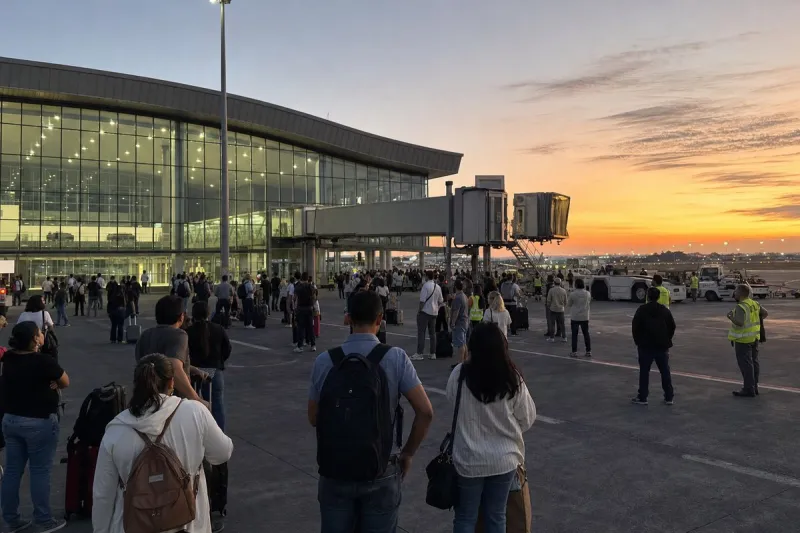
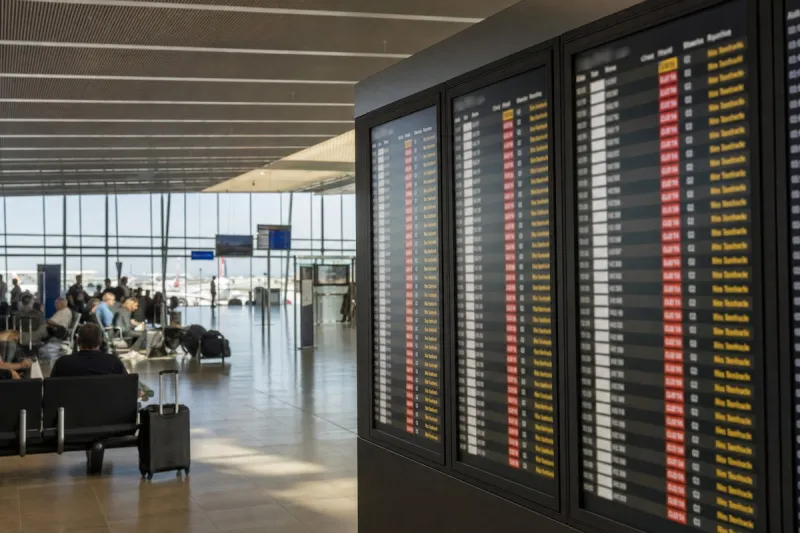
Security workers at Sydney Airport began strike action on Friday, October 16. The Transport Workers' Union (TWU) action runs from 6am to 10am and from 5pm to 9pm, and may affect security screening at both the domestic and international terminals. Travellers have been urged to allow extra time and watch for updates.
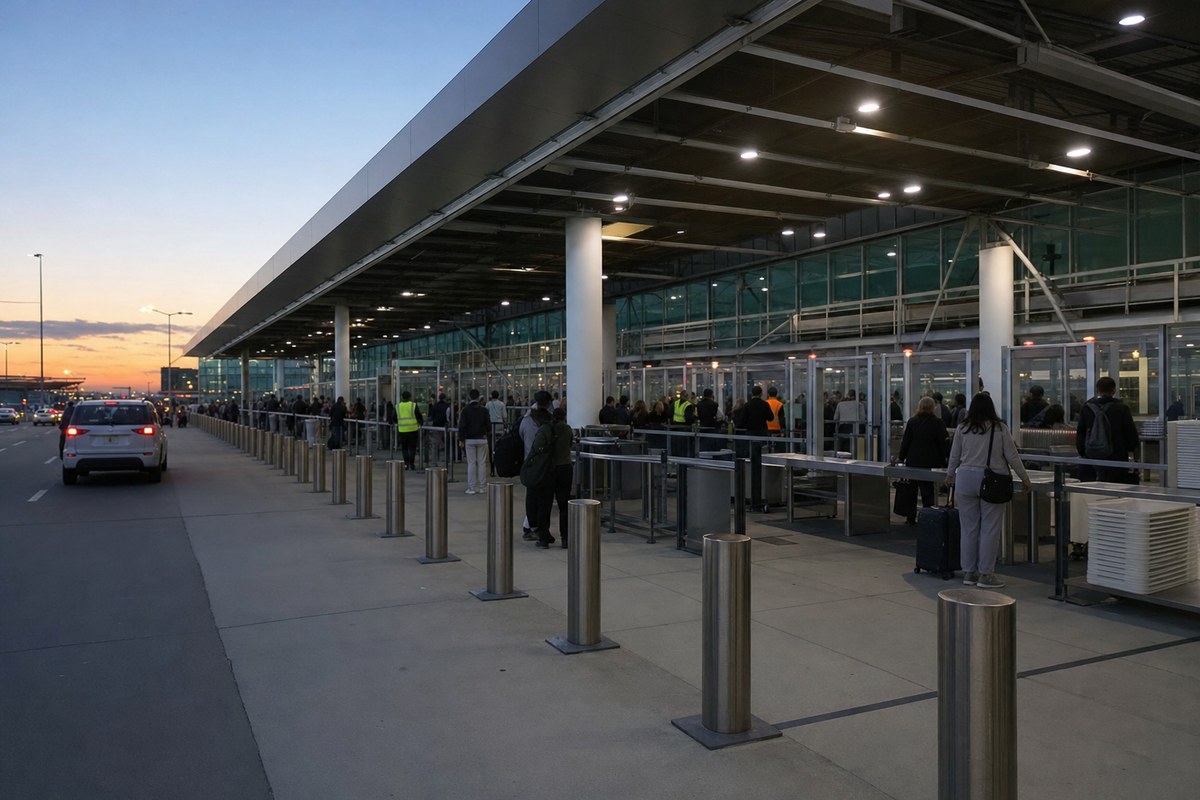
The dispute stems from ongoing enterprise agreement negotiations between labour hire company Certis Security Australia, its employees and union representatives. The workers are demanding more full-time jobs, fairer rostering and no cuts to part-time hours. Sydney Airport is not a party to the negotiations.
An airport spokesperson said the airport is working to minimise disruption and ensure passenger safety, and recommended that passengers allow extra time and stay alert for messages from their airline. Extra baggage staff have been rostered in the baggage rooms, with additional passenger facilitation staff in the terminals. Some Friday flights have been cancelled, and passengers are urged to check with their airlines.
TWU national secretary Michael Kaine, speaking beside striking workers, claimed Sydney Airport was making record profits of more than $580 million while refusing to invest in its workforce, and that it was telling companies like Certis to cut wages and conditions or lose their contract. He said some affected workers hold two extra jobs to pay household bills, and called on Sydney Airport to step in.
A Certis spokesperson said employees received a new offer on Thursday and that the company remains committed to constructive bargaining. Certis said it was disappointed the TWU chose to proceed with industrial action despite the offer, and that it is working with Sydney Airport on contingency arrangements to maintain aviation security, safety and regulatory compliance and minimise disruption.
Industry impact & what to watch
Screening at a major airport is commonly delivered by a contractor rather than by the airport operator, which creates a split between who bargains and who feels the consequences. Here the employer at the table is Certis, yet the effects land on the airport's terminals, its baggage rooms and the airlines whose flights were cancelled. Each side's public position reflects that split: the union points to the airport's finances and its contracting terms, while Certis points to a fresh offer and to contingency planning done alongside the airport.
For charter operators, brokers and flight departments, the practical exposure is limited to timing. The strike windows, 6am to 10am and 5pm to 9pm, sit at the start and end of the day, which are the periods when departure planning is most sensitive to security queue times. Crews, passengers and ground handlers moving through either terminal during those hours are the ones most likely to feel any screening delay.
The next point that would settle the matter is whether Certis employees accept or reject the offer made on Thursday, and whether Sydney Airport moves from the sidelines as the union has demanded. Until one of those happens, the dispute stays tied to the two daily windows and to airline-by-airline cancellation notices.