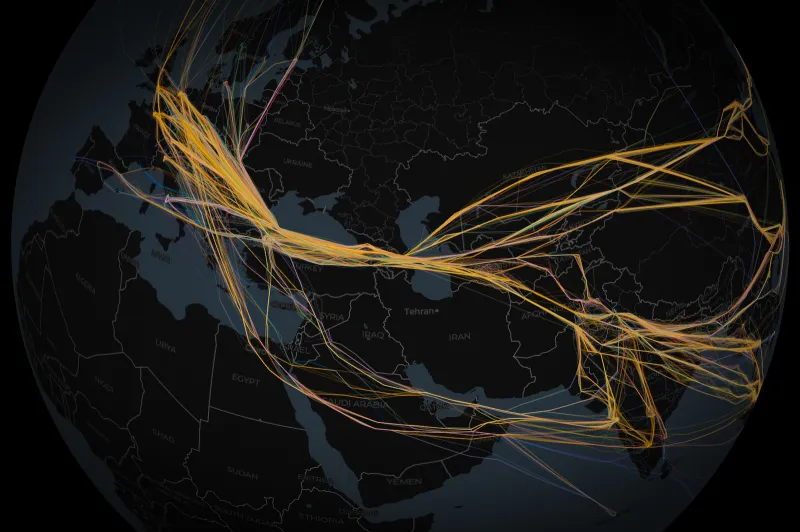
Italian air traffic data network fault triggers flight delays and cancellations at major airports
Why It MattersAir traffic control depends on data links that sit outside the aircraft and the airport, so a network fault can throttle national capacity even when runways, crews and controllers are all available.
What happened
Faults in the data transmission network supporting air traffic control services caused disruption and flight cancellations at many Italian airports on Friday morning. The national air navigation service provider Enav reported the problem.
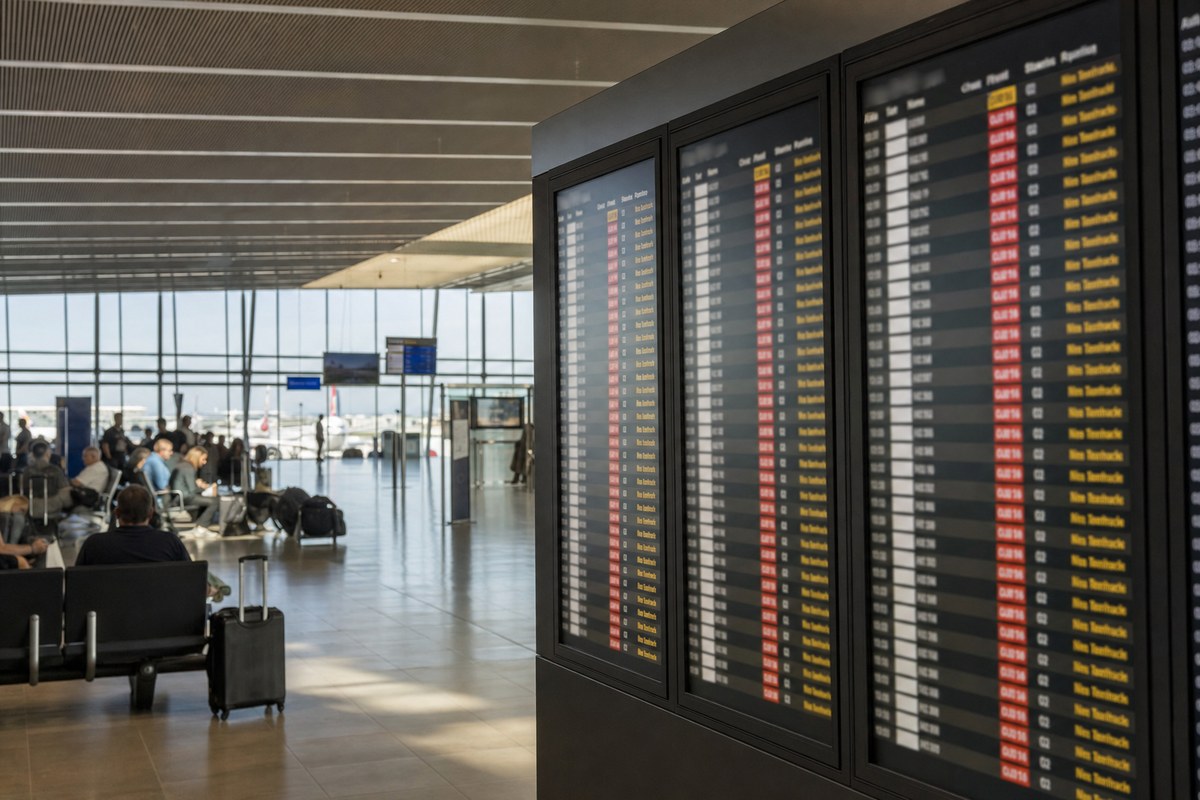
Enav said the faults were detected during the night between Thursday and Friday. It said normal air traffic management, without any reduction in operating capacity, was ensured until 6:00 on Friday.
From 6:00, given a steady increase in air traffic and the persistence of the faults, Enav introduced flow management measures that temporarily reduced capacity.
Industry impact & what to watch
The sequence Enav described shows how this kind of failure plays out. Operations held at full capacity overnight, when traffic was light, and the constraint only became binding once the morning build-up began. A degraded data network therefore tends to surface as a capacity problem at peak times rather than as an immediate shutdown.
For airlines and business-aviation operators, flow management means delays and cancellations that cannot be solved at the airport level, because the limit sits in the air traffic system itself. Flights are held or cancelled to keep the load within what controllers can safely handle with the network as it is.
The next thing to look for is Enav confirming that the faults are cleared and that flow management measures are lifted, which would mark the return to normal capacity.