Nearly 650 Horizon Air Pilots Hold Informational Pickets in Seattle and Boise After Nearly Four Years of Contract Talks
Why It MattersProlonged bargaining at a regional subsidiary shows how pay gaps with the mainline parent, combined with staffing and training strain, turn contract disputes into operational and leadership-confidence problems for regional carriers.
What happened
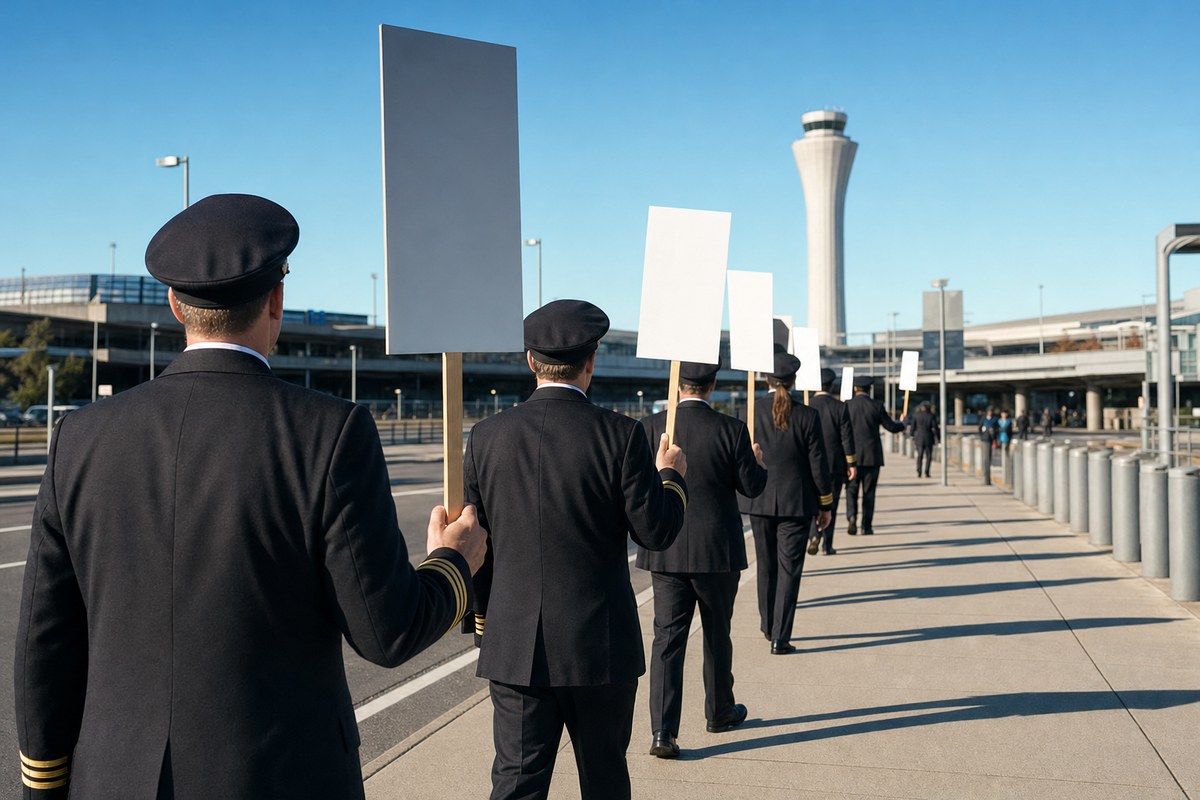
Nearly 650 pilots at Horizon Air, represented by Teamsters Local 1224, held an informational picket on Oct. 14, 2026, in Seattle and Boise. They called on the airline to agree to a contract with industry-standard compensation. The pilots have been negotiating for nearly four years on an agreement covering wages, staffing and training shortages, and operational concerns.
Horizon is a subsidiary of Alaska Air Group, and its pilots fly nearly the same amount as their counterparts at Alaska Airlines, according to the union. The union says Horizon pilots' pay continues to fall behind industry standards because the company has refused to negotiate a fair agreement.
Henry Simkins, Chair of Local 1224's Horizon Executive Council, said pilots deliver safe and reliable service every day while management delays a contract that reflects their contribution, and that operational challenges at the airline have become evident in bargaining. Horizon pilot and Local 1224 member Jason Welch said pilots are expected to do more with less and that management has not addressed persistent problems.
Horizon pilots will also conduct a vote of no confidence in Carlos Zendejas, Senior Vice President of Operations at Horizon. The pilots cite chronic staffing shortages, inconsistent application of company policies and procedures, and a growing reliance on pilots to compensate for operational shortcomings, saying these issues have persisted throughout negotiations and eroded trust in company leadership. Teamsters Local 1224 also represents flight crewmembers at ABX Air, Cape Air, Omni Air International, and Silver Airways.
Industry impact & what to watch
A negotiation that has run for nearly four years shows how long a regional carrier's labor dispute can stay open when the pay comparison point is a mainline sibling. Horizon pilots fly nearly the same amount as Alaska Airlines pilots, according to the union, and that parity of workload is the yardstick the union uses to argue that Horizon pay trails the industry.
The dispute has also moved beyond wages. By pairing the picket with a vote of no confidence in an operations executive, the pilots tie compensation to staffing, policy consistency and operational reliability. At regional carriers, where flying is often built around a lean pilot roster, that linkage tends to make a contract fight a question of how the airline is run day to day, not only of what it pays.
The next concrete milestone is the outcome of the no-confidence vote on Carlos Zendejas, along with whether Horizon management responds publicly to the pilots' claims about staffing and policy application.