MTI 24/7 COO Outlines Factors That Decide Whether Private Air Ambulances Can Use Remote Airports
Why It MattersAir ambulance access is set by how aircraft, airport and ground transfer combine on a given mission, so providers compete on matching and planning rather than simply on which aircraft they list.
What happened
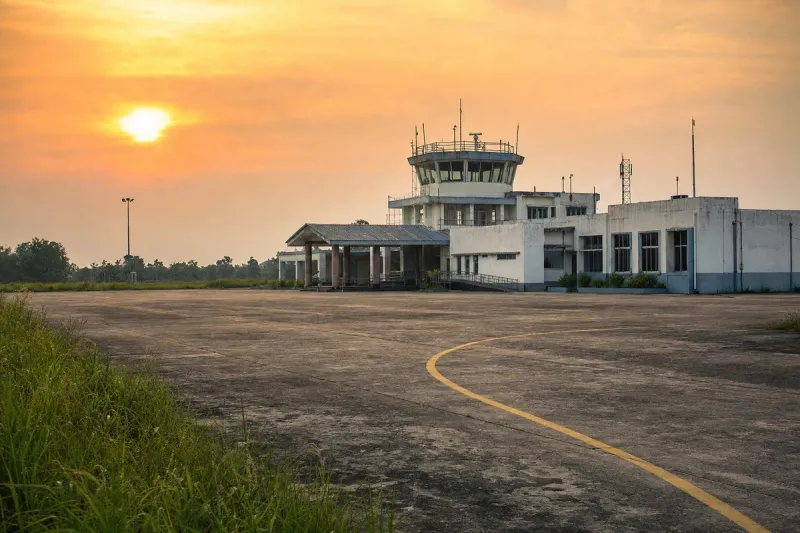
Sebastian Demiet, chief operating officer of medical transport company MTI 24/7, has set out what determines whether a private air ambulance can safely operate at a remote airport. His central point is that an open airport is not automatically usable: conditions can restrict a specific aircraft and mission, so the whole operation has to be assessed.

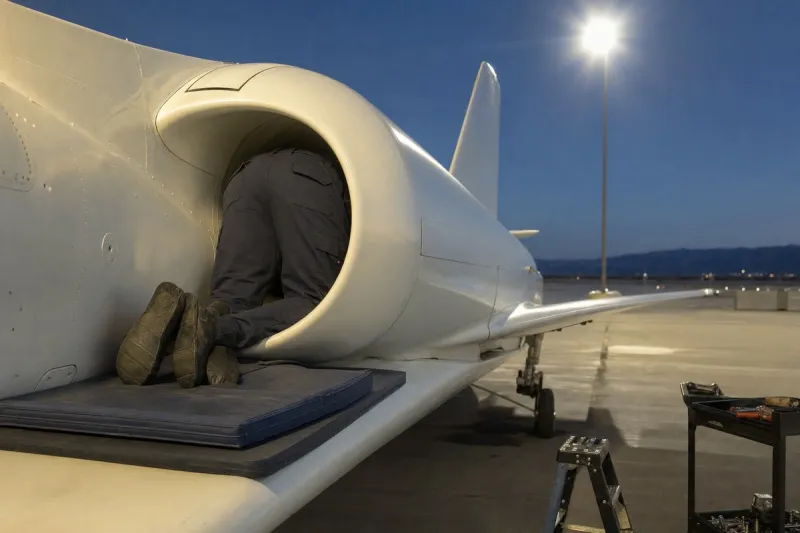
Runway length is typically the first factor. Whether an air ambulance can use a given runway depends on aircraft type, weight, airport altitude, temperature, runway condition and the weather expected on the day. Private air ambulance providers typically offer turboprops, light jets and mid-size jets. Turboprops such as the Pilatus PC-12 can often access tighter runways than jets, while light and mid-size jets such as the Learjet and Citation suit international medical transport but still carry runway length requirements.
Surface type also matters, since remote airfields may have gravel or other unpaved surfaces, and use depends on the aircraft's limitations. Demiet cites the Australian Outback and Antarctica as examples of challenging infrastructure and conditions. He points to Courchevel in the French Alps, with a short, steep runway, and Innsbruck Airport, where pilots need a special briefing, as examples of demanding mountain airports.
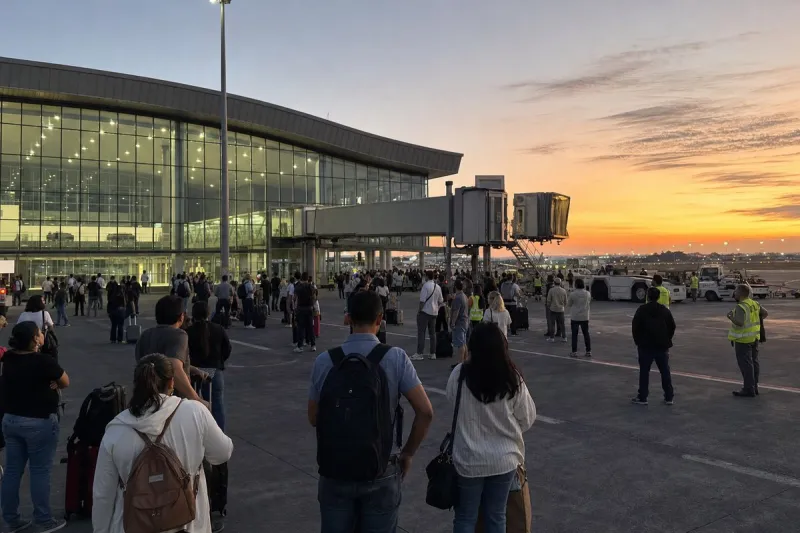
Fuel may be unavailable, limited or subject to special arrangements at remote airports. In that case the aircraft must carry enough fuel to arrive, depart with a patient and land elsewhere, or else make a fuel stop. Opening hours, customs availability for international missions and airport fire category, which depends mainly on aircraft length and fuselage width, are further considerations. Ground handling must also be able to move a patient on a stretcher, with medical staff and equipment, from ambulance to aircraft.
Demiet stresses that a mission is not just a flight between two airports. Ground ambulances usually carry the patient to the departure airport and from the arrival airport to the medical facility, and the patient's condition influences how much ground travel is acceptable. He concludes that the nearest airport is not always the best, giving the example of an airport 20 minutes' flying time away versus one 90 minutes away, where restricted runway, fuel, opening hours and ground support issues can make the closer option less suitable.
Industry impact & what to watch
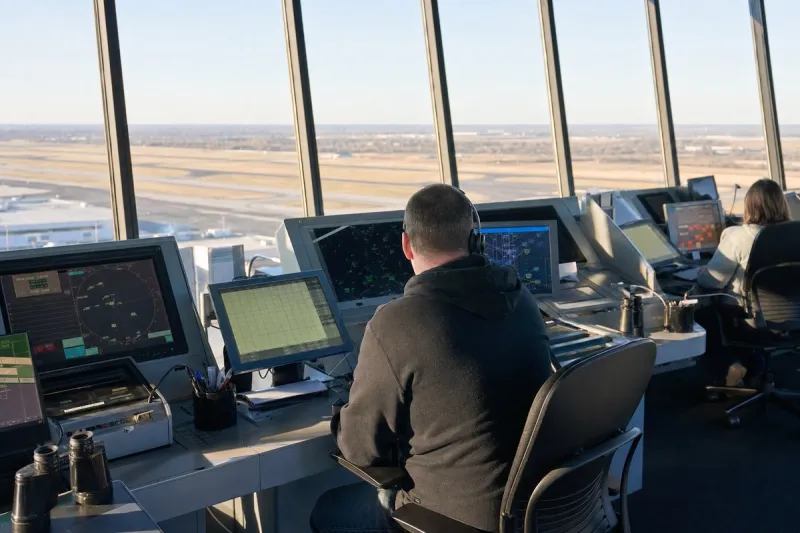
Remote-airport access for medical flights is rarely a yes-or-no property of the airport. It comes from how a particular aircraft, at a particular weight and in particular weather, fits the runway, surface, fuel supply, opening hours and fire category, and then how the patient gets to and from the aircraft on the ground. A provider's published fleet list therefore says less about reach than its ability to run that whole check for each mission.
This also explains why aircraft class shapes the market segment. Turboprops with short-field capability and jets suited to long international legs serve different parts of the same problem, and a provider holding both types can choose the airport that best balances flight time, ground time and the patient's condition. Fuel and customs arrangements at remote fields tend to be settled mission by mission, which favours operators with established planning and handling relationships.
The practical test that follows from Demiet's example is the trade between a closer airport with restrictions and a farther one that is fully workable. Where the 20-minute option carries runway, fuel, hours or handling limits, the 90-minute option can be the more suitable one overall, and the comparison only holds when ground transfer time at both ends is counted alongside flying time.