Chicago O'Hare Ranks as Most Connected US Hub in OAG 2026 MegaHubs Report, Ahead of Atlanta
Why It MattersConnectivity depends on the number of airports linked and connections offered rather than seat capacity, so a two-airline hub can lead while its tenants compete for gates and schedule share.
What happened
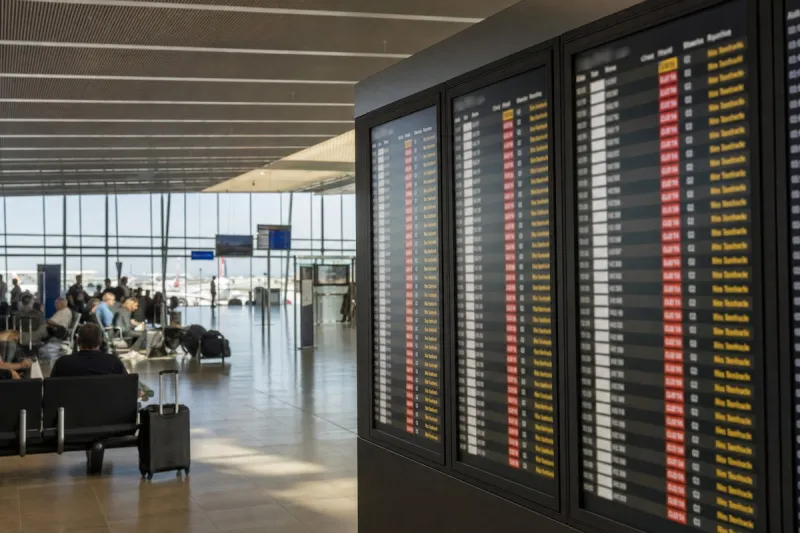
OAG's 2026 MegaHubs Report ranks Chicago O'Hare International Airport (ORD) as the most connected airport in the United States, with Hartsfield-Jackson Atlanta International Airport (ATL) in second place. The ranking does not factor in capacity: ATL and Denver International Airport (DEN) offer more domestic seats, but ORD is connected to more airports and offers more connections than the other US megahubs.
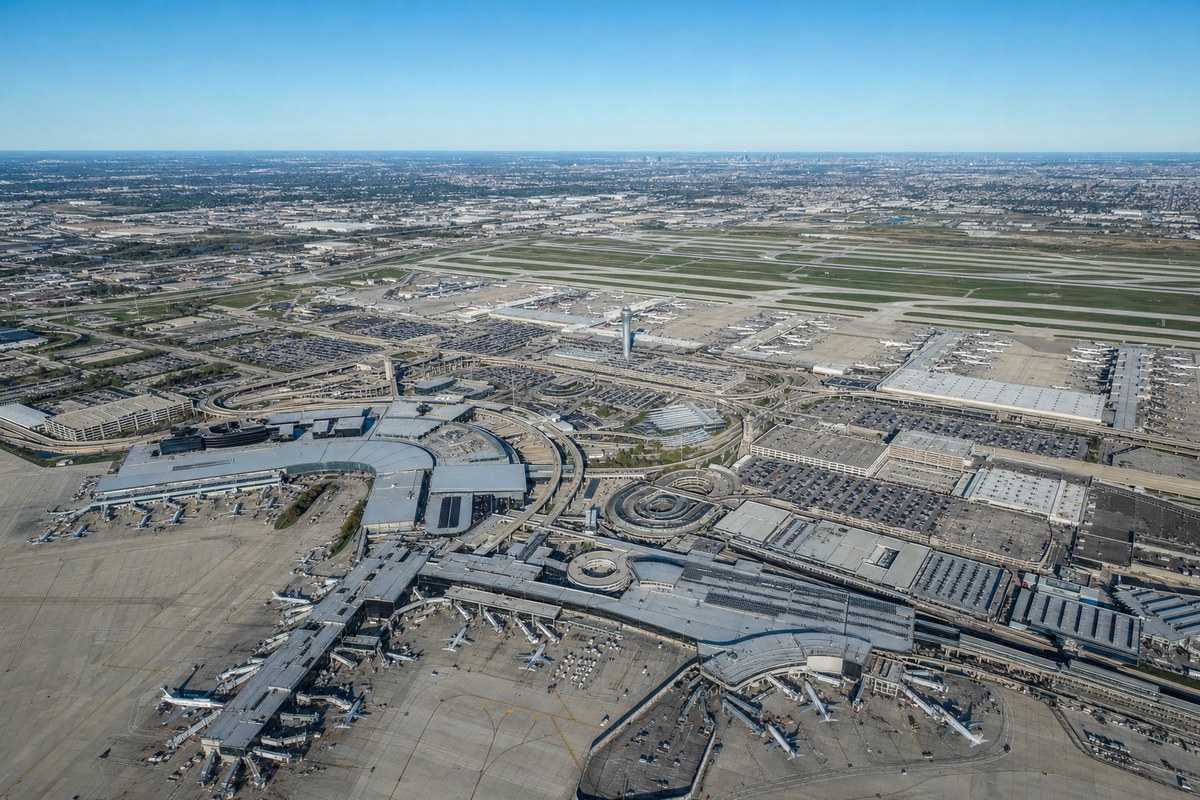
On its busiest day, ORD facilitates 83,647 connections to 227 destinations within the US, plus an international network. ATL facilitates 54,273 domestic connections to 170 US destinations. Dallas/Fort Worth International Airport (DFW), American Airlines' largest hub, ranks third with 47,163 connections and 195 domestic destinations. DEN ranks fourth with 46,455 connections and 211 destinations, and Charlotte ranks fifth with far fewer connections than DEN.
ORD serves Chicago, the third-largest US city, and hosts large hubs for just two airlines: American Airlines and United Airlines. For summer 2026, United planned up to 750 daily flights at ORD, including five new Midwest routes and added frequencies on more than 80 routes, which would have made it the third-largest US hub behind DFW and ATL. American planned 100 additional daily departures, taking its peak to over 500 daily departures, with higher frequencies on more than 75 routes and extended dates on two seasonal European routes. Because of these increases, the FAA imposed schedule caps.
United has been headquartered in or near Chicago since the 1930s, while American opened its ORD hub in 1982. 2026 is the first year United's ORD schedule is larger than before the pandemic. American cut its ORD schedule in 2022 and 2023 and added capacity in 2024, still below its 2021 level. In October 2025, the City of Chicago took four gates from American and gave five to United; United is set to lose gates to American in the 2026 annual review. American uses 66 gates in Terminal 3, while United is entitled to 99 gates in Terminals 1 and 2.
United CEO Scott Kirby has said he intends to significantly grow ORD operations at American's expense and may even push American out of Chicago. United is recording record profits, while American faces cost pressures and heavy debt.
Industry impact & what to watch
The ranking shows that hub strength can be measured by reach rather than by seat volume. An airport that links more destinations and generates more connection options on its peak day offers itinerary choice that a larger-capacity hub with a narrower network does not, and that breadth is what feeds connecting traffic.
Chicago's position is also unusual in structural terms. With two dominant carriers sharing one airport, growth by either side is a direct contest for the same gates, slots and passengers, and the FAA schedule caps show that airfield limits already bind. The gate reallocations between the carriers are the practical expression of that contest, since gate access caps how much of a planned schedule can actually be flown.
The next concrete marker is the 2026 annual gate review, in which United is set to lose gates to American. How that review lands will indicate whether the balance between the two carriers at ORD shifts, given the stated ambitions of United's CEO and the differing financial positions of the two airlines.