Osprey Flight Solutions Warns Airlines of Months of Disruption from Saudi-Houthi Conflict
Why It MattersWhere airports stay open but air defenses and holding patterns keep interrupting flights, risk becomes a flight-by-flight exposure question for carriers, and differing government advisories no longer give a complete picture.
What happened
Airlines flying to or over Saudi Arabia face months of disruption from missile and drone attacks, according to aviation risk management consultancy Osprey Flight Solutions. Speaking on Oct. 15 during a webinar on the escalating Saudi-Houthi conflict, Osprey Chief Intelligence Officer Matthew Borie said carriers need to review the risks to each flight, taking account of where attacks are occurring, when they are happening and how air defenses are responding. Government advisories alone would not provide a complete picture, he added.
Osprey put the likelihood of continued fighting without a ceasefire over the next three to nine months at up to 60%, with Saudi airstrikes in Yemen and Houthi attacks on Saudi airports, shipping and energy facilities continuing. It assessed the chance of a new ceasefire during that period at 25%. Borie said airlines should prepare for further interruptions even where airports remain open. Flights serving Jeddah and Dammam repeatedly entered holding patterns during October, and some diverted as Saudi authorities responded to security threats.
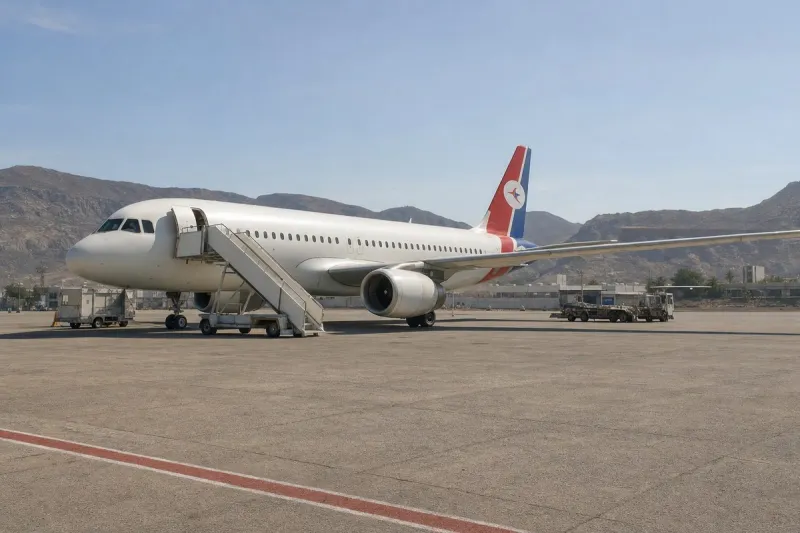
Borie said attacks on Riyadh's King Khalid International Airport began before the fatal strikes in October. According to Osprey, satellite imagery confirmed damage to fuel storage tanks after a ballistic missile attack on Sept. 19. Another attack damaged two warehouses on Oct. 5, before strikes on Oct. 8, 10 and 11 hit passenger terminal areas. Osprey estimated that at least five commercial aircraft had been damaged, along with severe damage to parts of Terminals 3 and 4 and further damage to apron areas.
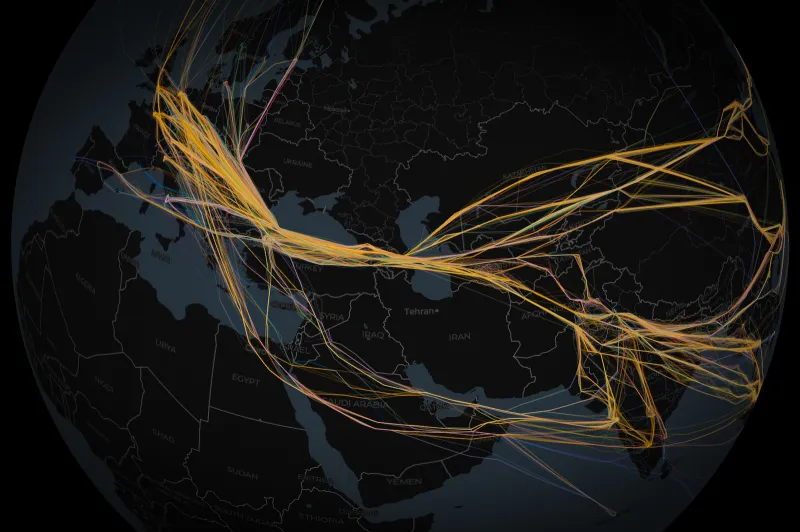
Borie also highlighted differing guidance from authorities including the FAA and the European Union Aviation Safety Agency, stressing the need for airlines to assess their specific exposure. The implications extend to flights serving neighboring Gulf states through Saudi airspace, he said, so airlines must account for both the Saudi-Houthi conflict and the separate confrontation involving Iran.
How it unfolded
Osprey's webinar sets out its three-to-nine-month outlook for the conflict.
Strikes hit passenger terminal areas, with severe damage to parts of Terminals 3 and 4 and at least five commercial aircraft damaged.
Another attack damaged two warehouses at the airport.
A ballistic missile attack on King Khalid International Airport in Riyadh; satellite imagery confirmed damage to fuel storage tanks.
Industry impact & what to watch
The case shows how airspace risk differs from an airport closure. When an airport stays open but attacks, air defense responses and security holds keep interrupting operations, the exposure is spread across individual flights rather than switched on or off by a single notice. That is why Osprey stresses per-flight review of where, when and how attacks are occurring, and why a single government advisory cannot stand in for it.
For carriers, the practical consequence is operational rather than strategic: holding patterns and diversions, as seen at Jeddah and Dammam in October, consume fuel and schedule slack, so planning has to assume interruptions even on days when the airport is formally open. Differences between FAA and EASA guidance add a further layer, since each airline's exposure depends on its own routes and the authorities it answers to.
The next marker is Osprey's own window. Its assessment gives a ceasefire a 25% chance within three to nine months, against up to 60% for continued fighting. Any announced ceasefire would be the event that changes that read, and flights transiting Saudi airspace to neighboring Gulf states stay tied to both the Saudi-Houthi conflict and the separate confrontation involving Iran.