Saudi airspace corridor loses reliability as Middle East closures persist and jet fuel prices roughly double
Why It MattersEurope-Asia capacity now depends on a few remaining corridors whose reliability can change within days, so fuel, rerouting and war-risk costs are becoming a persistent feature of long-haul planning.
What happened
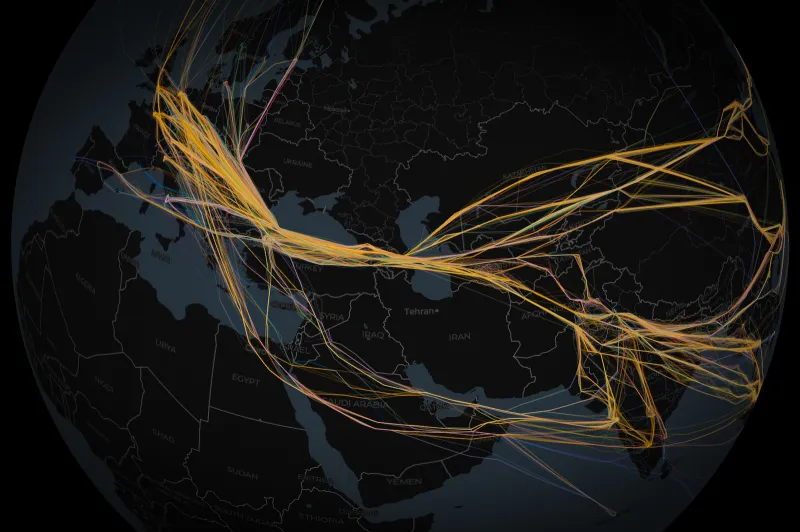
The loss of usable airspace between Europe and Asia is now in its eighth month. Average worldwide jet fuel for the week ending October 9 was 111 percent higher than a year earlier, and the Argus US index stood at $4.66 a gallon on October 14, against $1.91 last December.

Iranian airspace has been closed since the outbreak of the US-Iran war in February, and Iraqi airspace is off-limits to Western operators. The FAA, in notices updated October 13, lists SFAR 115 prohibiting certain flights in the Sanaa FIR covering Yemen, with further restrictions applying to the Persian Gulf and Gulf of Oman, Iran, Iraq and Syria. The FAA notice for the Jeddah FIR is an advisory for a potentially hazardous situation. Both the FAA and EASA issued cautions, not prohibitions, on Saudi airspace in October.
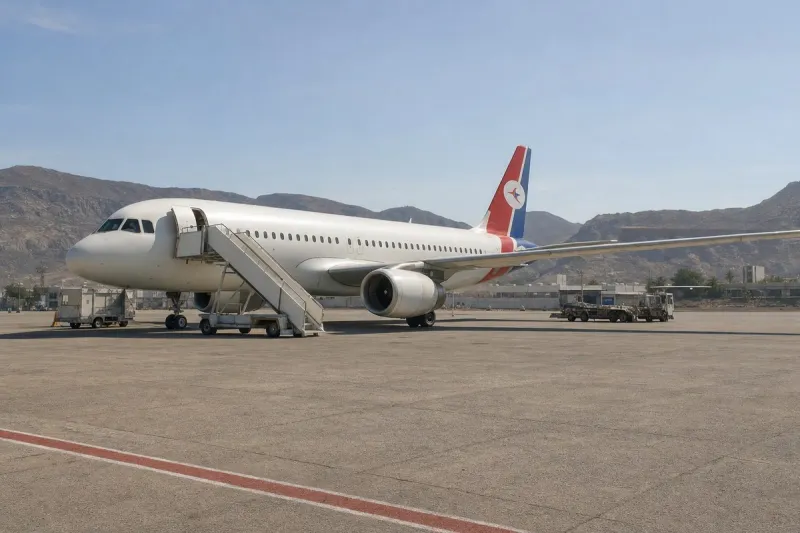
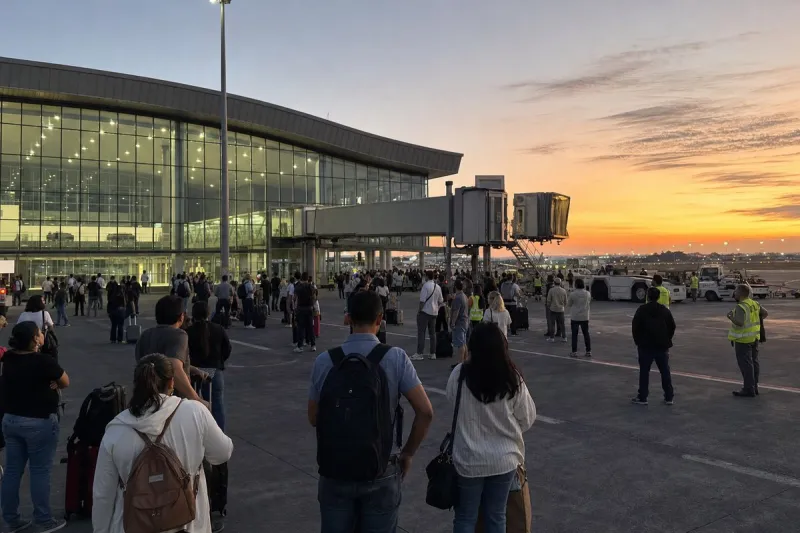
A Houthi missile strike on Riyadh's King Khalid International Airport killed at least 12 people and injured more than 300. The airport is reported closed until at least today. Etihad has cancelled Riyadh and Dammam services until October 18 and Jeddah until October 19, and other regional carriers have suspended flights with no confirmed resumption dates. Japan has advised against non-essential travel to Saudi Arabia. Middle East aviation recorded 1,692 delays and 131 cancellations on October 7 alone.
Western operators also avoid Russian airspace, leaving Central Asia and the Caucasus, or the Gulf States and northern Saudi Arabia, as the remaining Europe-Asia options. Reports differ on the northern Saudi track: one assessment describes it as still in active use, while another says the October cautions have removed its reliability. IATA puts about 1.35 million square miles of airspace in the closed, restricted or avoided category, lengthening effective flight distances on key Europe-Asia routes by 5 to 20 percent and raising operating costs by roughly 2 to 10 percent.
Government and carrier responses
South Africa has reinstated temporary visa concessions, valid until November 30 or until travel resumes after a ceasefire, for foreign nationals affected by airspace closures across a list of Middle East states. Israel has moved to fund flights repatriating citizens stranded in Dubai after a flydubai suspension. Indian carriers have sought landing fee and fuel cost relief from their government.
Separately, the WMO describes El Niño as firmly established and strengthening, with the Niño 3.4 index rising from about 1.6C above normal in June to 2.5C in August, a forecast December peak and near-certain persistence through February 2027, potentially the strongest event since at least 1950. Typhoon Dujuan has been passing Japan's eastern coast with heavy rainfall and major disruption.
Industry impact & what to watch
With Iranian, Iraqi and Russian airspace unavailable to Western operators, the Europe-Asia network leans on a handful of corridors, and a change in any one of them moves routing for many carriers at once. A caution from the FAA or EASA is not a prohibition, but it still shifts how operators and insurers weigh a route, which is why differing assessments of the northern Saudi track matter.
Because aircraft have been struck on the ground, ramp exposure at Gulf and Red Sea airports now carries weight comparable to overflight exposure for war-risk underwriting. That widens the cost question beyond fuel and added flight distance to where aircraft park, turn and overnight, and it applies to business jets and charter movements as much as to scheduled carriers.
The next markers are dated or observable: whether King Khalid International reopens on schedule, whether Etihad restores Saudi services on October 18 and 19 as stated, and whether Saudi airspace status moves from caution to prohibition. The Strait of Hormuz shipping situation is the leading indicator for fuel, and further Houthi action would test all of the above.