Houthi Strike Damages Aramco Executive Offices in Dhahran, Regional Officials Say, as Attacks on Saudi Arabia Escalate
Why It MattersSustained missile and drone fire against a large kingdom with limited interceptor stocks turns airport closures and flight cancellations into a prolonged operating condition for the region's airspace, not a short disruption.
What happened
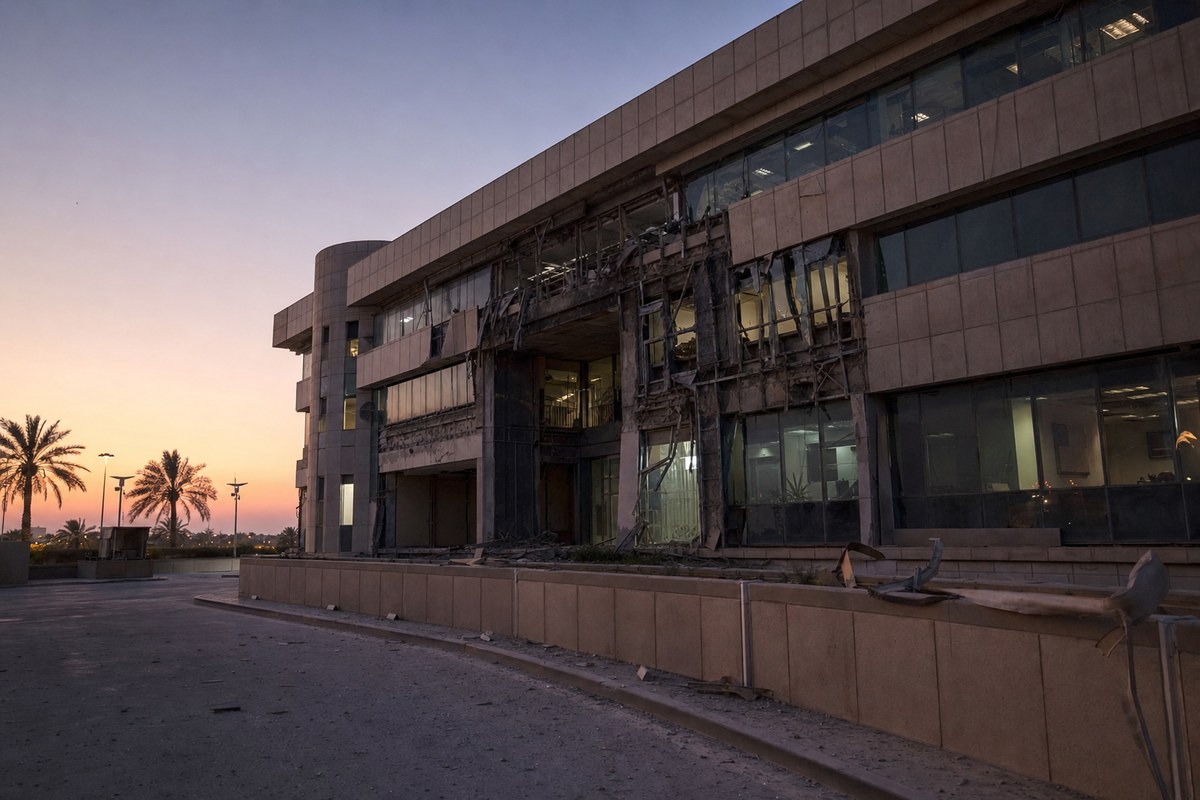
An overnight Houthi strike damaged executive offices at Aramco's headquarters in Dhahran, Saudi Arabia, two regional officials told The Associated Press on Wednesday. Fresh explosions also shook Riyadh, and residents there reported hearing additional blasts on Wednesday.
The Saudi-led military coalition said its air defenses had intercepted cruise missiles, ballistic missiles and drones targeting the capital, a ballistic missile aimed at Dhahran and a cruise missile targeting Al-Kharj. Saudi Arabia's Civil Defense said debris from two intercepted Houthi ballistic missiles fell on residential neighborhoods in Riyadh overnight, injuring four people, including a child, and damaging 15 homes.
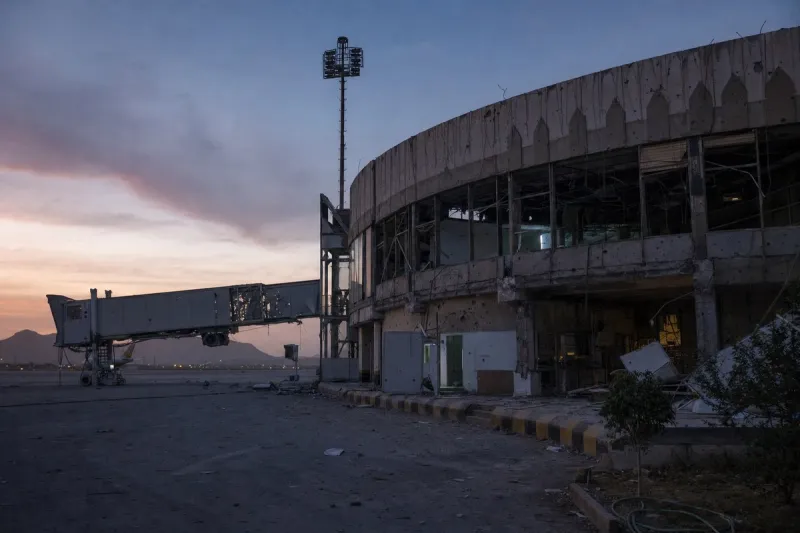
Saudi officials have reported repeated attacks on King Khalid International Airport in Riyadh over the past week, with strikes killing at least 18 people and injuring more than 300. According to aviation analytics firm Cirium, more than 3,000 flights scheduled to depart from Saudi airports over the past week were canceled or listed as not operating.
The Houthis described the attacks as retaliation for Saudi aggression against Sanaa and other areas under their control. The confrontation erupted after the Houthis accused Saudi Arabia of attacking an airport in Sanaa; the Houthis then announced their own blockade against Saudi Arabia, and the Saudi-led coalition launched a major offensive about a week and a half ago. The Houthi-run Health Ministry said two people were killed and two wounded in a Saudi airstrike Tuesday on an oil facility in the Ras Isa port area of Hodeida province, and the coalition also struck an oil facility in Sanaa.
Defenses and diplomacy
Regional officials have warned that Saudi Arabia is running low on missile interceptors. Analysts say completely preventing Houthi strikes is virtually impossible: the kingdom covers roughly three times the area of Texas, Houthi weapons can reach targets more than 1,600 kilometers (1,000 miles) away, and some missiles can change course in flight.
Ahmed Nagi of the International Crisis Group said strikes on fuel storage facilities in Houthi-held areas mark a new phase of the conflict: "The Houthis are betting on pressure, while the Saudis are betting on time."
Senior Houthi political bureau member Mohamed al-Bukhaiti told AP that Oman had tried to bring the sides back to negotiations, while Russia and China had pursued contacts through Iran. He said the Houthis were ready for a comprehensive end to the war and the blockade from both sides, not just a temporary ceasefire. No breakthrough has been reached.
Humanitarian toll in Yemen
The International Committee of the Red Cross reported an unprecedented increase in weapons-related injuries along Yemen's front lines, particularly in Marib, Taiz and areas near the Red Sea.
The World Food Program warned it could no longer reach more than 600,000 people dependent on aid in the besieged city of Taiz.
Industry impact & what to watch
Strikes that reach both the national capital's main airport and the corporate core of the world's most prominent oil company show how little of Saudi territory sits outside Houthi range. For aviation, the practical effect is not a single closure but a standing condition: when a country's main airports are repeatedly targeted, scheduled departures, overflight planning and ground operations all have to be built around the possibility of interception debris and sudden suspensions. The more than 3,000 cancelled or non-operating departures Cirium counted in a week illustrate how quickly that condition shows up in schedules.
The defensive arithmetic matters as much as the strikes themselves. A target area roughly three times the size of Texas, weapons that can fly more than 1,600 kilometers and missiles that can change course mean interceptors are consumed faster than they can be assumed to be replaced, and officials are already warning of low stocks. Where defenses are thin, the risk to airfields and to the energy infrastructure that fuels regional aviation tends to rise with each week the campaign continues, regardless of how many individual salvos are stopped.
The next signals are diplomatic and military. Al-Bukhaiti's offer of a comprehensive end to the war and the blockade, set against Nagi's reading that each side is betting on a different kind of pressure, will be tested by whether Oman's mediation or the Russian and Chinese contacts through Iran produce anything beyond talk. Until then, continued strikes on fuel storage on both sides are the clearest indicator of whether the confrontation is widening.