FAA Grounds All Elixir Aircraft After Fatal Accident During Production Flight
Why It MattersBack-to-back European and U.S. groundings show how a single production-flight accident can halt a young type's entire fleet before any cause is found, stalling its expansion into the flight training market.
What happened
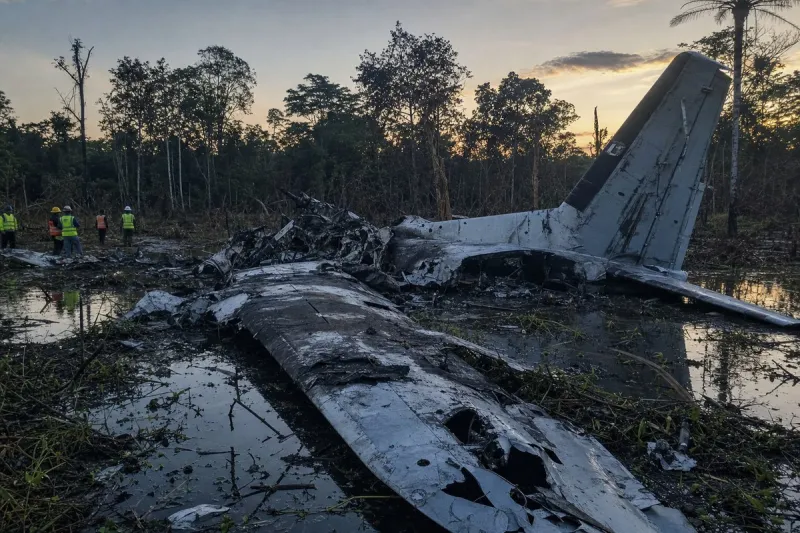
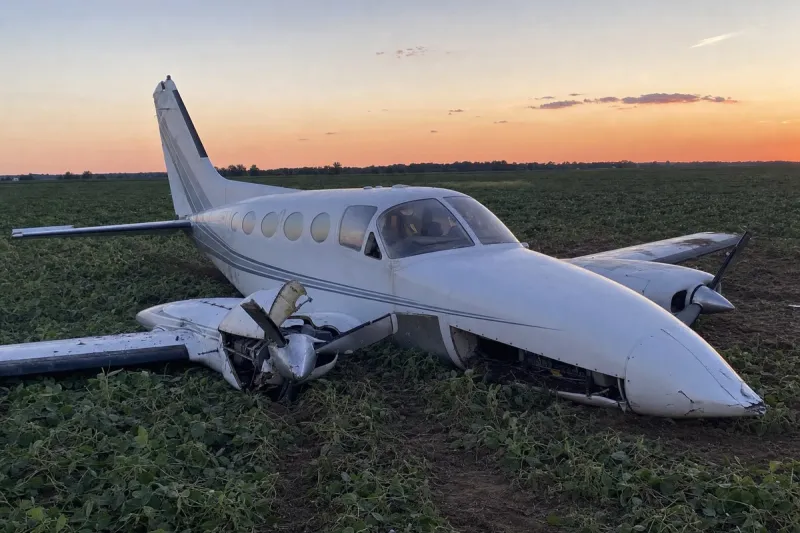
The FAA issued an emergency airworthiness directive on Tuesday grounding all Elixir Aircraft Model Elixir airplanes following a fatal accident during a production flight. The directive prohibits further operations until the aircraft have undergone corrective actions approved by the FAA.
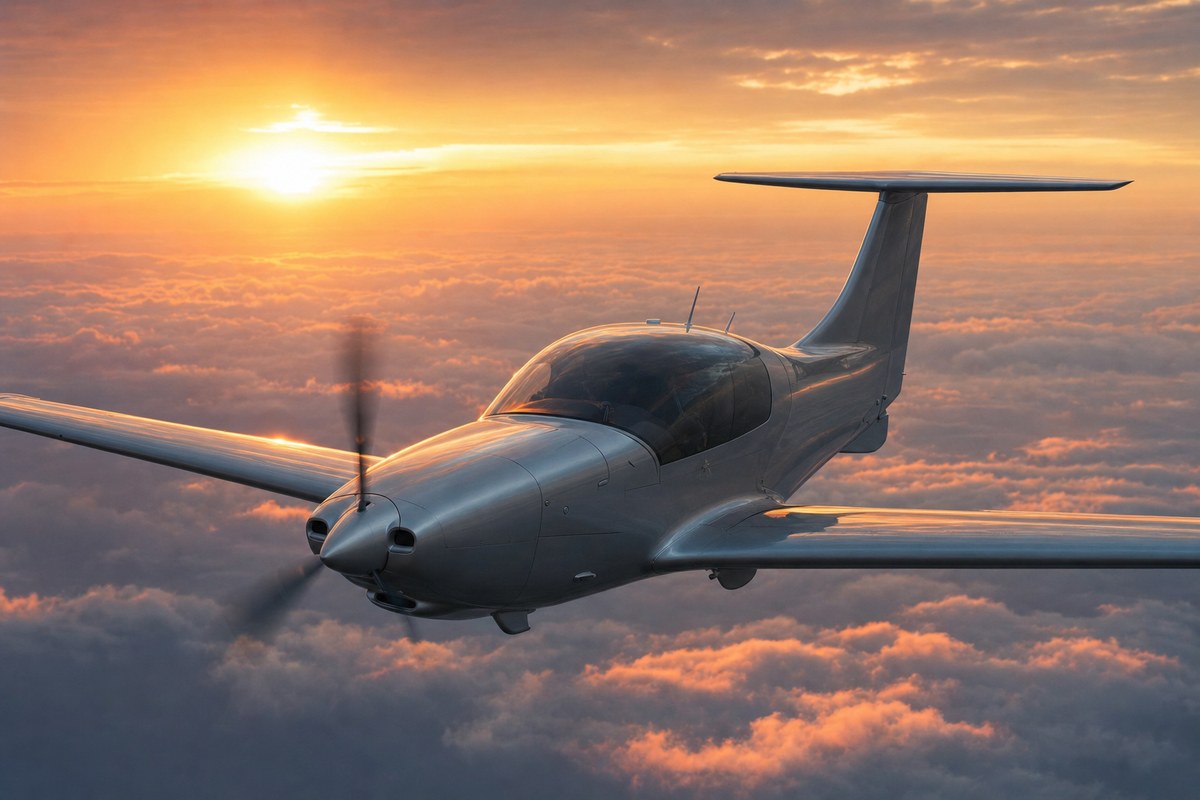
The FAA's decision follows an emergency directive from the European Union Aviation Safety Agency (EASA), which suspended operations of the entire Elixir fleet while investigators work to determine the cause of the accident. The grounding in Europe came shortly after the manufacturer began expanding deliveries into the U.S. flight training market.
The FAA said it determined that the unsafe condition could exist or develop in other aircraft of the same type. The agency adopted the directive without the usual public comment period, citing the potential safety consequences of allowing operations to continue before the cause of the accident is established.
The FAA estimates that three Elixir aircraft are currently registered in the United States. The directive applies to all Model Elixir airplanes regardless of certification category and generally prohibits special flight permits unless specifically approved under the directive's alternative compliance procedures. No approved inspection or modification procedures have yet been established, so the agency was unable to estimate compliance costs.
"The FAA considers this AD to be an interim action," the agency said in the directive, adding that if final action is later identified, it might consider further rulemaking. The FAA is accepting public comments on the directive through Nov. 27.
Industry impact & what to watch
A type-wide grounding issued before any cause is established is the strongest tool a regulator has, and it lands hardest on a manufacturer still building its installed base. With only three aircraft on the U.S. register, the immediate operational disruption in America is small; the larger exposure is commercial, because a flight training market buys on dispatch reliability and schools are slow to commit to a type that has been grounded on two continents.
The FAA following EASA's lead also illustrates how transatlantic certification works in practice: a safety action by one authority tends to be mirrored quickly by the other, so a fleet grounded in one jurisdiction rarely keeps flying in the other for long. For a company whose growth plan depends on exporting into the U.S., the two regulators' positions become effectively linked.
The next concrete milestone is the Nov. 27 close of the comment period. The question that decides how long the grounding lasts is what corrective actions the FAA ultimately approves, since the directive says no inspection or modification procedures have been established yet.