Pilot's Unstabilized Approach to Closed Runway in Belleville, Michigan, Ends in Runway Excursion and Crash Into Trees
Why It MattersThe case shows how a wind-driven decision to use a closed runway can turn a high, fast, unstabilized approach into a runway excursion, so go-around discipline outweighs convenience.
What happened
A pilot chose to land on a runway at the airport in Belleville, Michigan that he knew was closed, citing the wind conditions. The account comes from an October 2024 National Transportation Safety Board (NTSB) accident report.
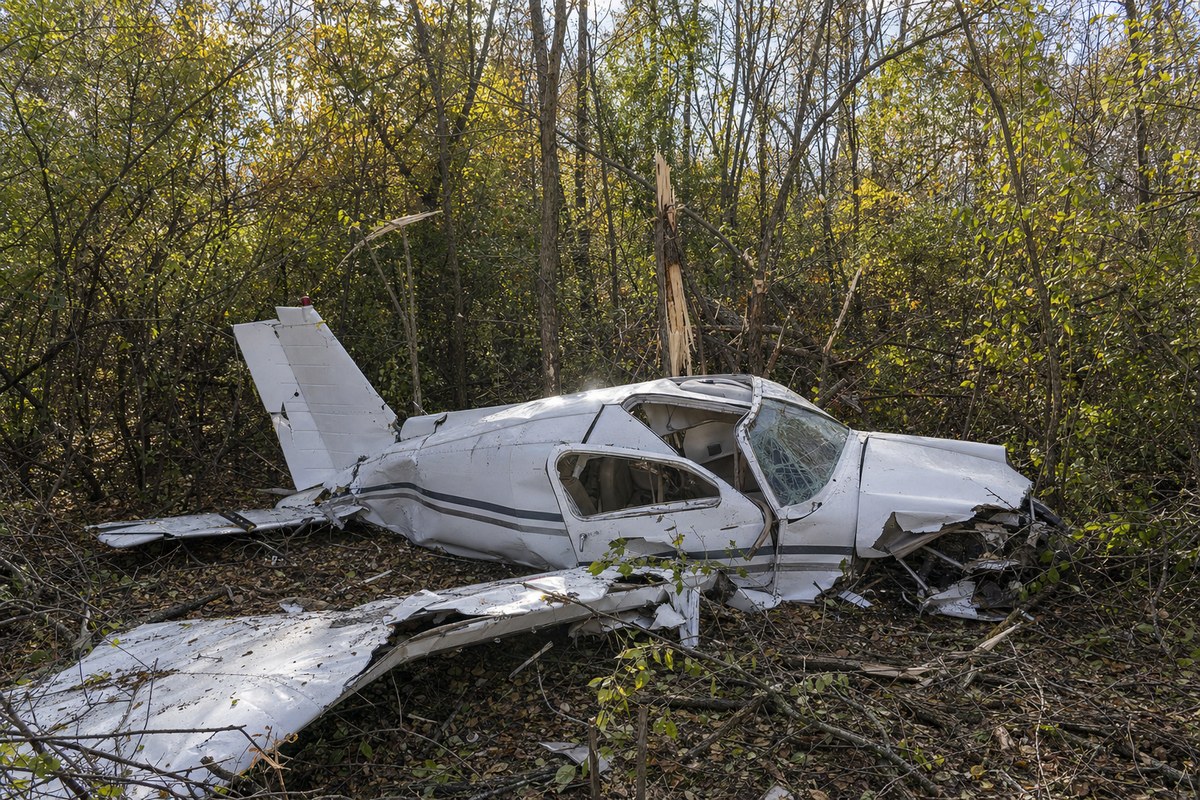
The pilot said the approach to the dry turf runway left the airplane "considerably too high and almost certainly too fast." He deployed full flaps, and the airplane began to descend "steeply" toward the runway end.
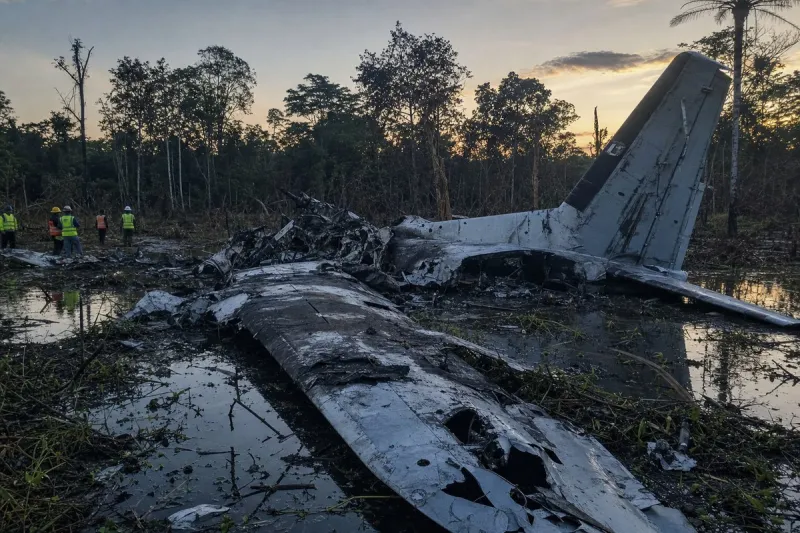
The airplane bounced on touchdown and then departed the runway straight ahead. It crossed a road and struck several trees next to a home.
Industry impact & what to watch
Weather-driven runway choice at a general aviation field often pushes pilots into a trade-off: use the pavement or grass that points into the wind, or accept a crosswind on the open runway. When the favoured runway is closed, that trade-off is no longer a legitimate option, and the pilot's own description of an approach that was too high and too fast shows how little margin remained once the decision was made.
An unstabilized approach that continues to touchdown is a recognised path to runway excursions. Here the sequence was a steep descent after full flaps, a bounce, and a roll-out off the end into a road and trees, which indicates the landing was not abandoned at any point on the way down. For flight schools, clubs and fixed-base operators at small airports, the pattern supports firm stabilized-approach gates and a standing expectation of a go-around.
The NTSB report is the record to read for the full findings; any follow-up would come from that docket rather than from the pilot's account alone.